
….While the island stays warm and sunny year-round, September brings a quiet shift to Fuerteventura. The summer trade winds (los alisios) soften, the calima subsides, and the golden afternoon light stretches across the dunes and volcanic peaks. Beyond enjoying quieter beaches and warm waters, the autumnal equinox marks one of the planet's most fascinating astronomical events. .. Aunque la isla mantiene un clima cálido y soleado durante todo el año, septiembre trae consigo un cambio tranquilo a Fuerteventura. Los vientos alisios del verano se suavizan, la calima remite y la dorada luz vespertina se extiende sobre las dunas y las cumbres volcánicas. Más allá de disfrutar de playas más tranquilas y aguas cálidas, el equinoccio de otoño marca uno de los fenómenos astronómicos más fascinantes del planeta. ….
….The Science: Perfect Balance Across the Globe..La ciencia: un equilibrio perfecto en todo el mundo….
….The word equinox originates from the Latin aequus (equal) and nox (night). It marks the precise moment Earth's axis is tilted neither toward nor away from the sun. .. La palabra «equinoccio» proviene de los términos latinos *aequus* (igual) y *nox* (noche). Marca el momento preciso en que el eje de la Tierra no está inclinado ni hacia el Sol ni en dirección opuesta a él. ….
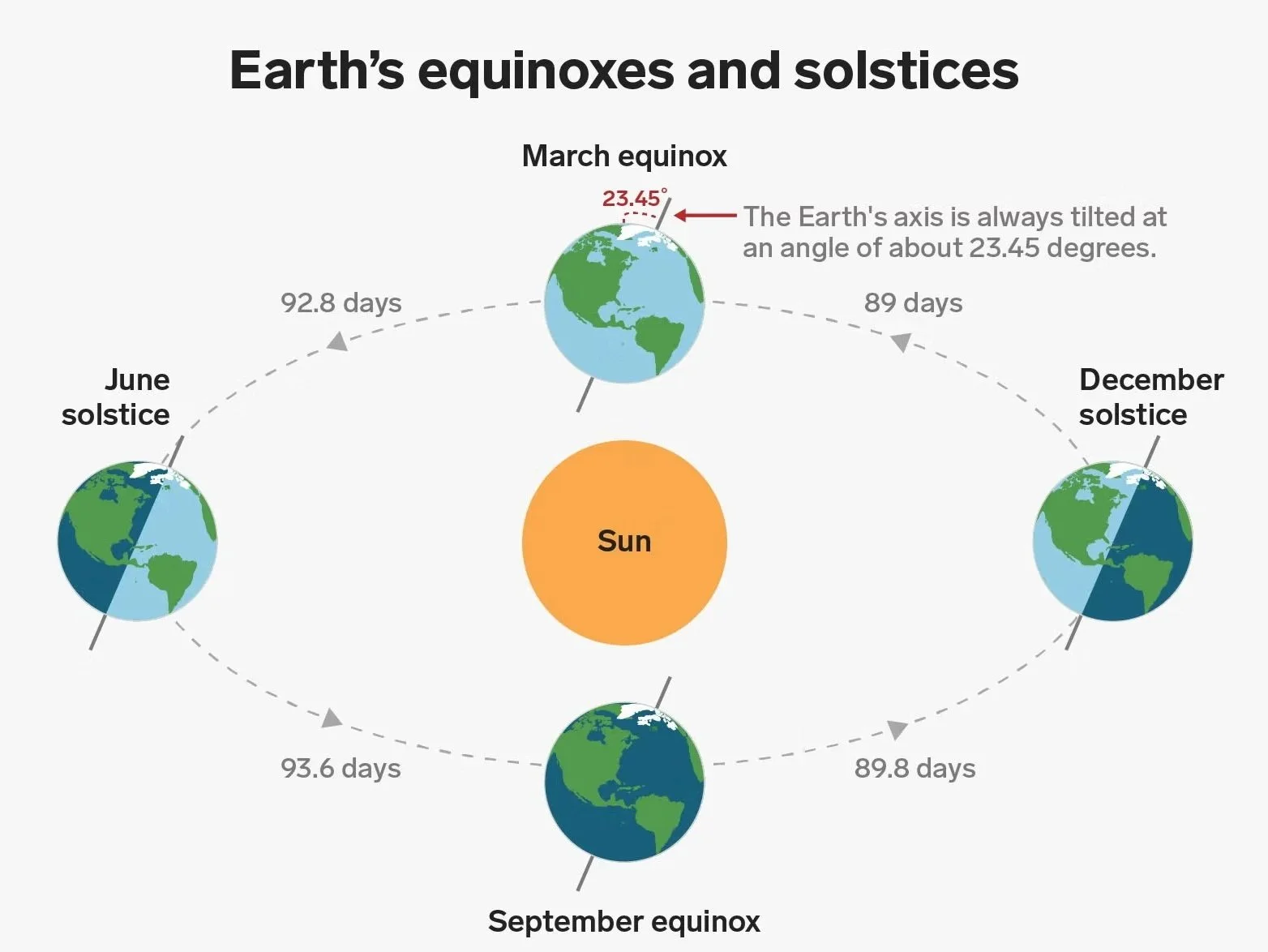
Image: timeanddate.com
….12 Hours of Light, 12 Hours of Dark: On the day of the equinox, day and night are almost identical in length, even here at 28°N latitude.
Direct Sun on the Equator: The sun shines directly over the equator, giving both hemispheres equal amounts of light for a single day.
The Seasonal Flip: While we head into the milder island autumn, the Southern Hemisphere welcomes its spring equinox on the exact same day.
True Due East and West: The equinox is the only time of year when the sun rises due east (over the Sahara) and sets due west into the Atlantic Ocean for everyone on Earth. ..
12 horas de luz, 12 horas de oscuridad: En el día del equinoccio, la duración del día y de la noche es casi idéntica, incluso aquí, a 28° de latitud norte.
Sol directo sobre el ecuador: El sol incide directamente sobre el ecuador, proporcionando a ambos hemisferios la misma cantidad de luz durante una sola jornada.
El cambio de estación: Mientras nosotros nos adentramos en el otoño isleño —de clima más suave—, el hemisferio sur recibe su equinoccio de primavera ese mismo día.
Orientación exacta hacia el este y el oeste: El equinoccio es el único momento del año en que el sol sale exactamente por el este (sobre el Sahara) y se pone exactamente por el oeste (en el océano Atlántico) para todos los habitantes de la Tierra. ….
….What the Equinox Means for Fuerteventura..Lo que el equinoccio significa para Fuerteventura….
….The Warmest Sea Temps: Unlike continental Europe, autumn brings some of the best ocean conditions to the island. Water temperatures peak in late September and October, making it prime time for swimming and surfing.
Dropping Trade Winds: The intense summer winds begin to relax, creating glassy ocean conditions along the coastline.
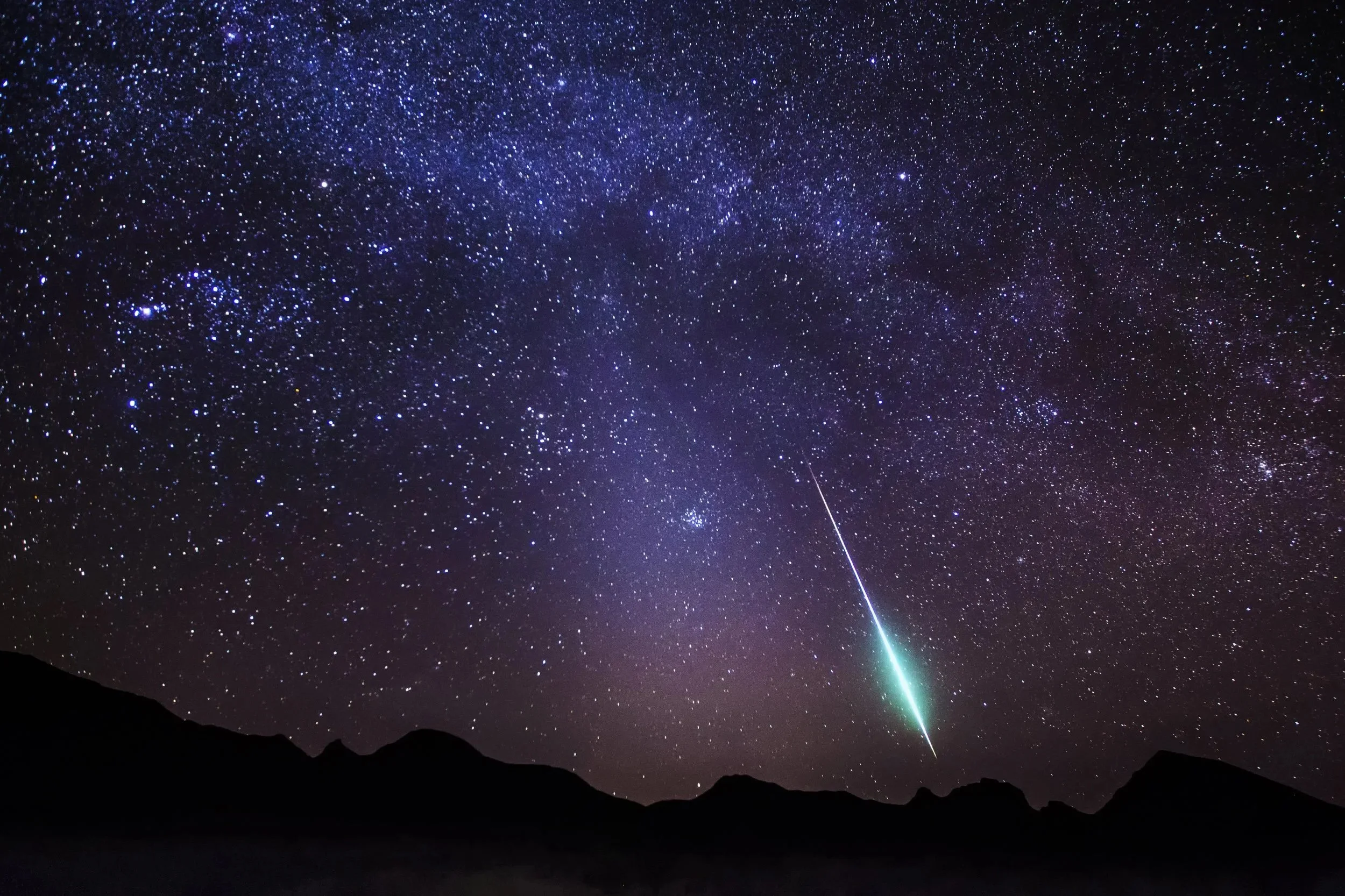
Incredible Stargazing: As night falls earlier, Fuerteventura's nights come into its own. With minimal light pollution, autumn offers exceptionally clear views of the night sky. ..
Las temperaturas del mar más cálidas: A diferencia de la Europa continental, el otoño trae consigo algunas de las mejores condiciones oceánicas para la isla. La temperatura del agua alcanza su punto máximo a finales de septiembre y en octubre, lo que lo convierte en el momento ideal para nadar y practicar surf.
Atenuación de los vientos alisios: Los intensos vientos del verano comienzan a amainar, creando condiciones de mar en calma a lo largo de la costa.
Observación estelar increíble: Al anochecer más temprano, las noches de Fuerteventura cobran todo su esplendor. Gracias a la mínima contaminación lumínica, el otoño ofrece vistas excepcionalmente nítidas del cielo nocturno. ….
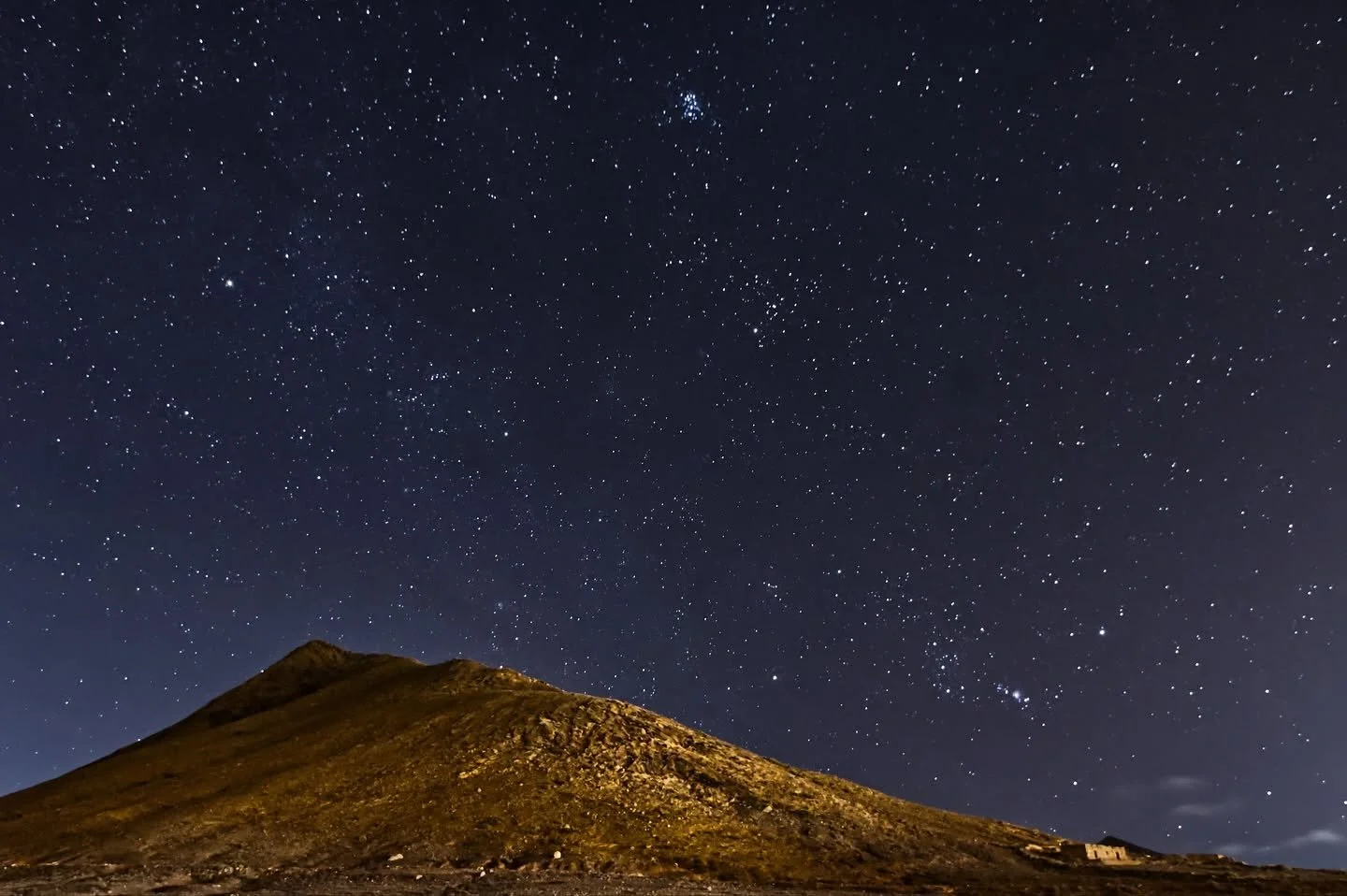
Image: TIndaya - Karen Moore.
….Ancient Agricultural Calendars: Reading the Sun .. Antiguos calendarios agrícolas: la lectura del Sol ….
….The Guanche Heritage: Long before modern astronomy, Fuerteventura's indigenous inhabitants (the Mahos or Majoreros) relied on solstices and equinoxes to guide their survival.
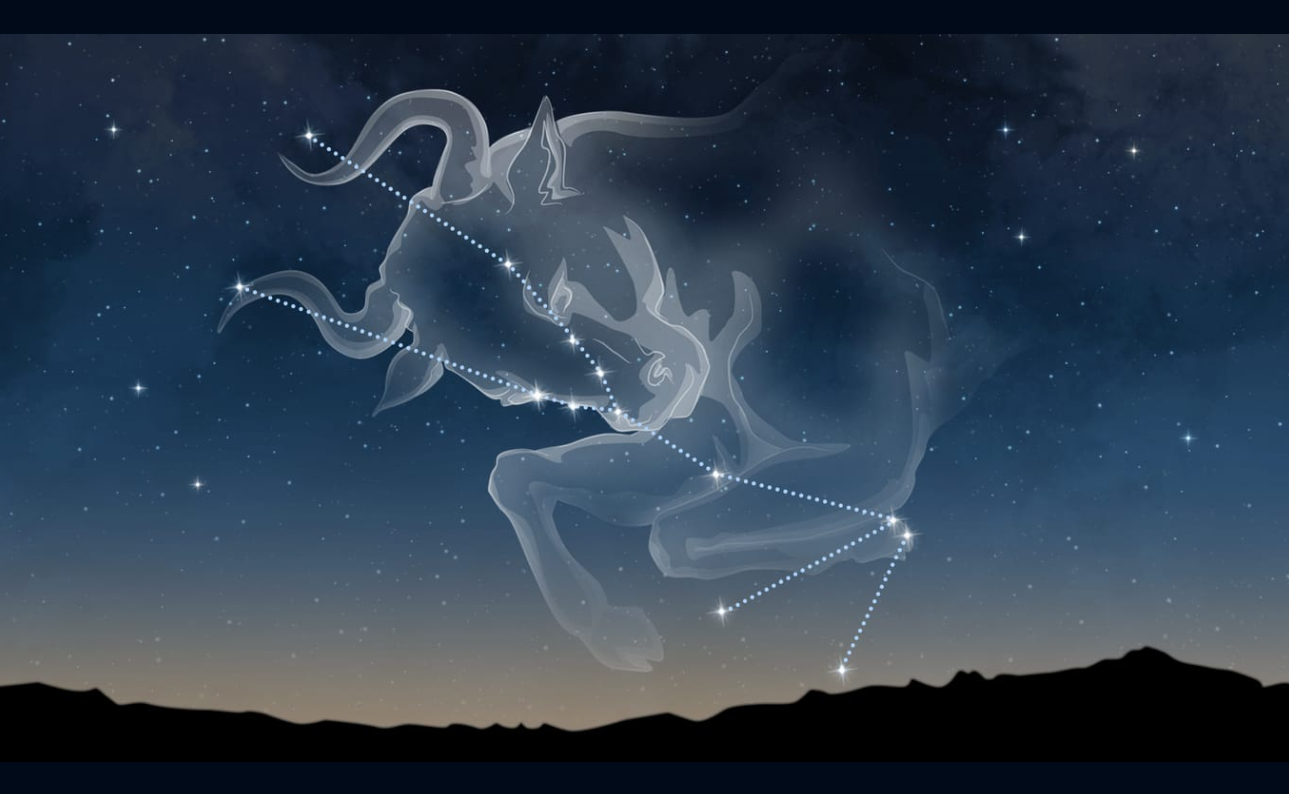
Equinox Markers: Natural rock formations and archaeological sites across the island, such as the sacred mountain of Tindaya, served as seasonal markers. Watching the sun rise due east on the equinox signalled the exact time to shift from summer grazing to preparing the land for winter sowing before the rare autumn rains arrived.
..
El legado guanche: Mucho antes de la astronomía moderna, los habitantes indígenas de Fuerteventura (los mahos o majoreros) se guiaban por los solsticios y equinoccios para asegurar su supervivencia.
Marcadores de equinoccio: Formaciones rocosas naturales y yacimientos arqueológicos repartidos por la isla —como la montaña sagrada de Tindaya— servían como marcadores estacionales. Observar la salida del sol exactamente por el este durante el equinoccio indicaba el momento preciso para pasar del pastoreo estival a la preparación de la tierra para la siembra de invierno, antes de la llegada de las escasas lluvias otoñales.
….
….Is the Milky Way Core Still Here?..¿Sigue ahí el núcleo de la Vía Láctea?….
….Yes, the core is still visible, but the clock is ticking! In September, the Galactic Center (the bright, detailed core around Sagittarius) tilts high into the southwestern sky as soon as astronomical twilight ends.The "Vertical" Core: September is prime time for photography and viewing because the Milky Way arch stands almost straight up from the horizon rather than laying flat across the sky. .. Sí, el núcleo sigue siendo visible, ¡pero el tiempo corre! En septiembre, el Centro Galáctico (el núcleo brillante y detallado en torno a Sagitario) se eleva en el cielo suroccidental justo al terminar el crepúsculo astronómico. El núcleo «vertical»: septiembre es la época ideal para la fotografía y la observación, ya que el arco de la Vía Láctea se alza casi en vertical desde el horizonte, en lugar de extenderse horizontalmente por el cielo. ….
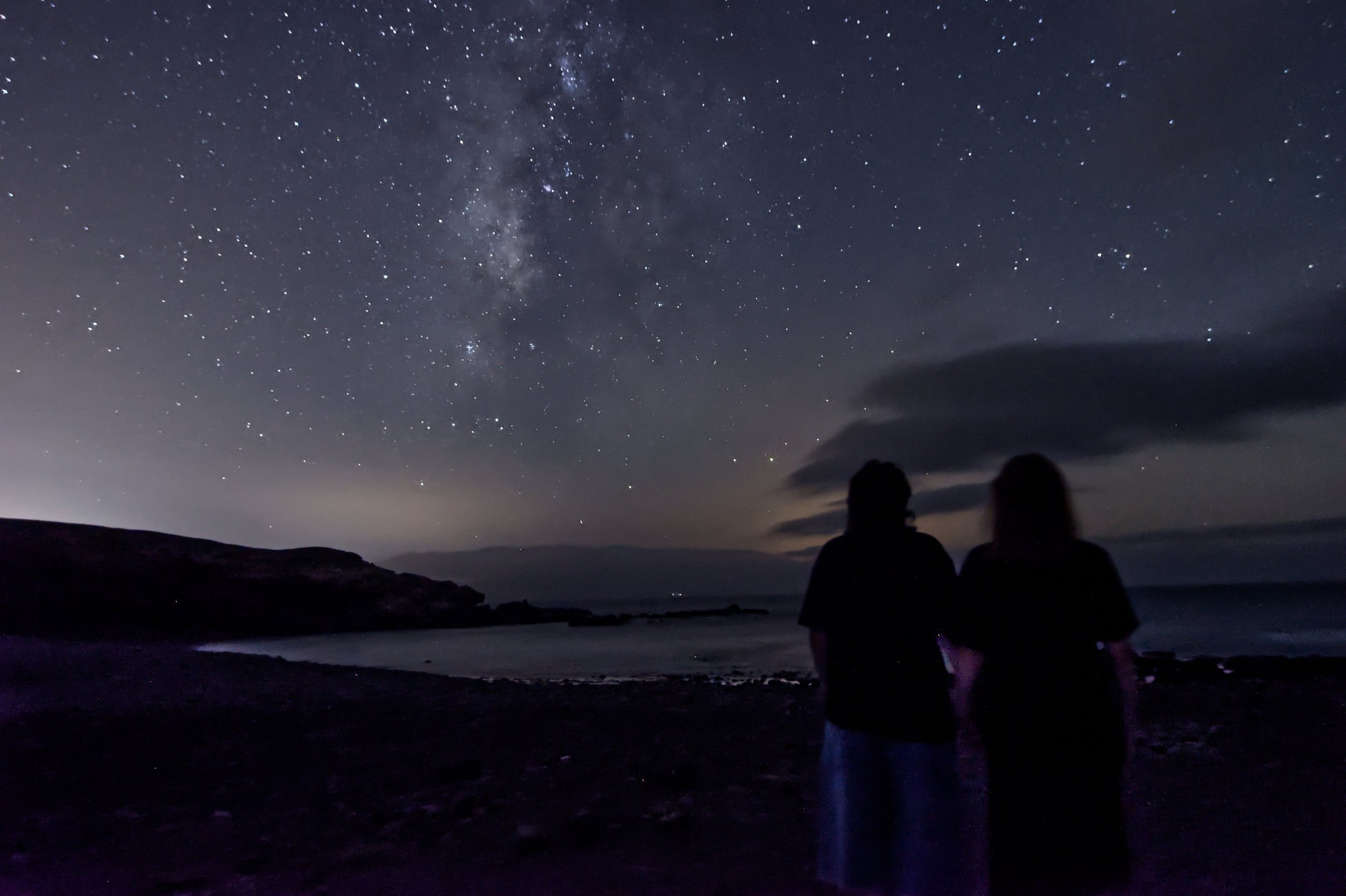
Image: Milky Way Playa de Ugan, Karen Moore
….The September Window: You don't have to wait until 2:00 AM like in early summer. The core is right there as soon as it gets fully dark. It sets much earlier, dropping below the Atlantic horizon around midnight or early morning. By late October and November, it disappears behind the sun entirely until late winter. .. La ventana de septiembre: no hace falta esperar hasta las 2:00 a. m., como ocurre a principios del verano. El núcleo es visible en cuanto oscurece por completo. Se oculta mucho antes, descendiendo por debajo del horizonte del Atlántico alrededor de la medianoche o en la madrugada. Hacia finales de octubre y en noviembre, desaparece totalmente tras el Sol hasta finales del invierno. ….
….What Else to See in the Night Sky Around the Equinox.. Qué más ver en el cielo nocturno durante el equinoccio ….
….Because Fuerteventura sits at 28°N latitude, you get an exceptional view of both northern stars and targets hanging lower over the southern sea horizon.
Saturn & Jupiter: Saturn is at its absolute brightest in September (at opposition), rising in the east at sunset and staying up all night. Jupiter follows close behind, rising in the late evening as a brilliant "star."
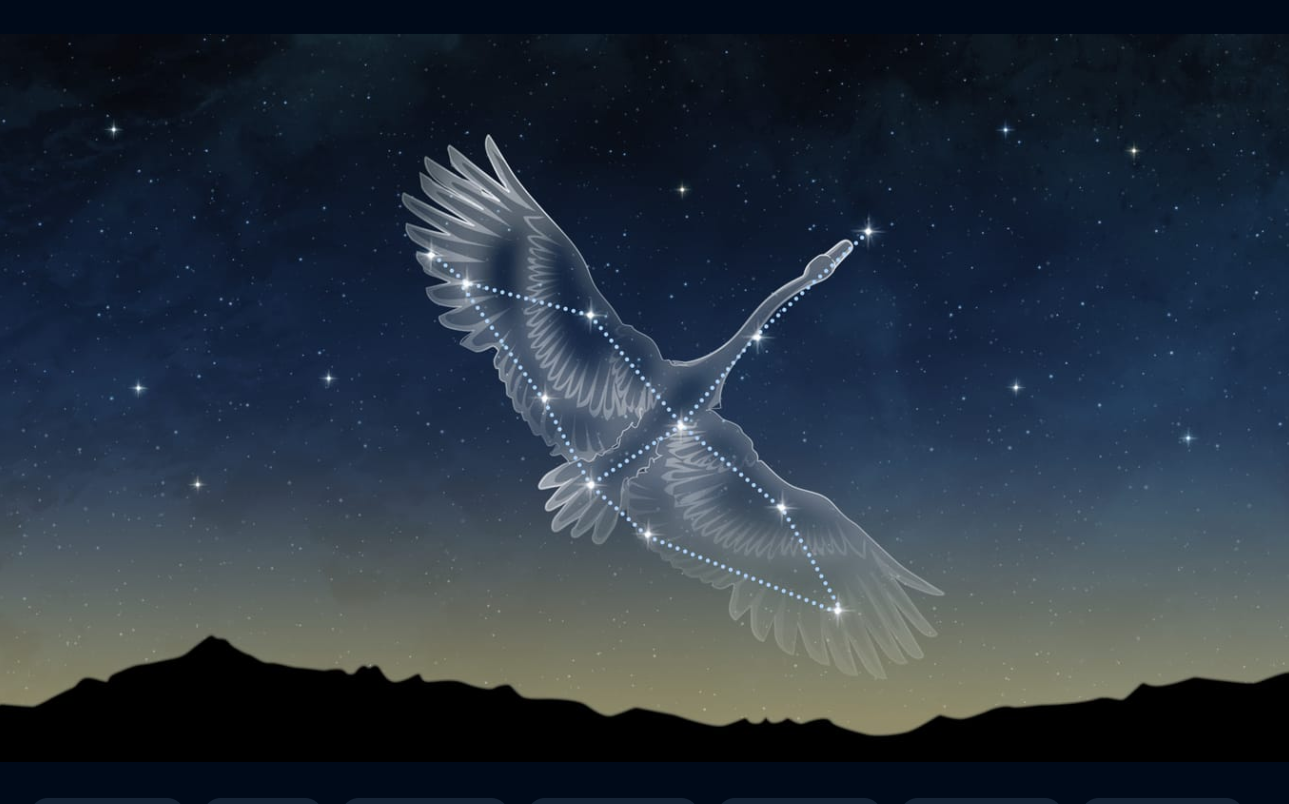
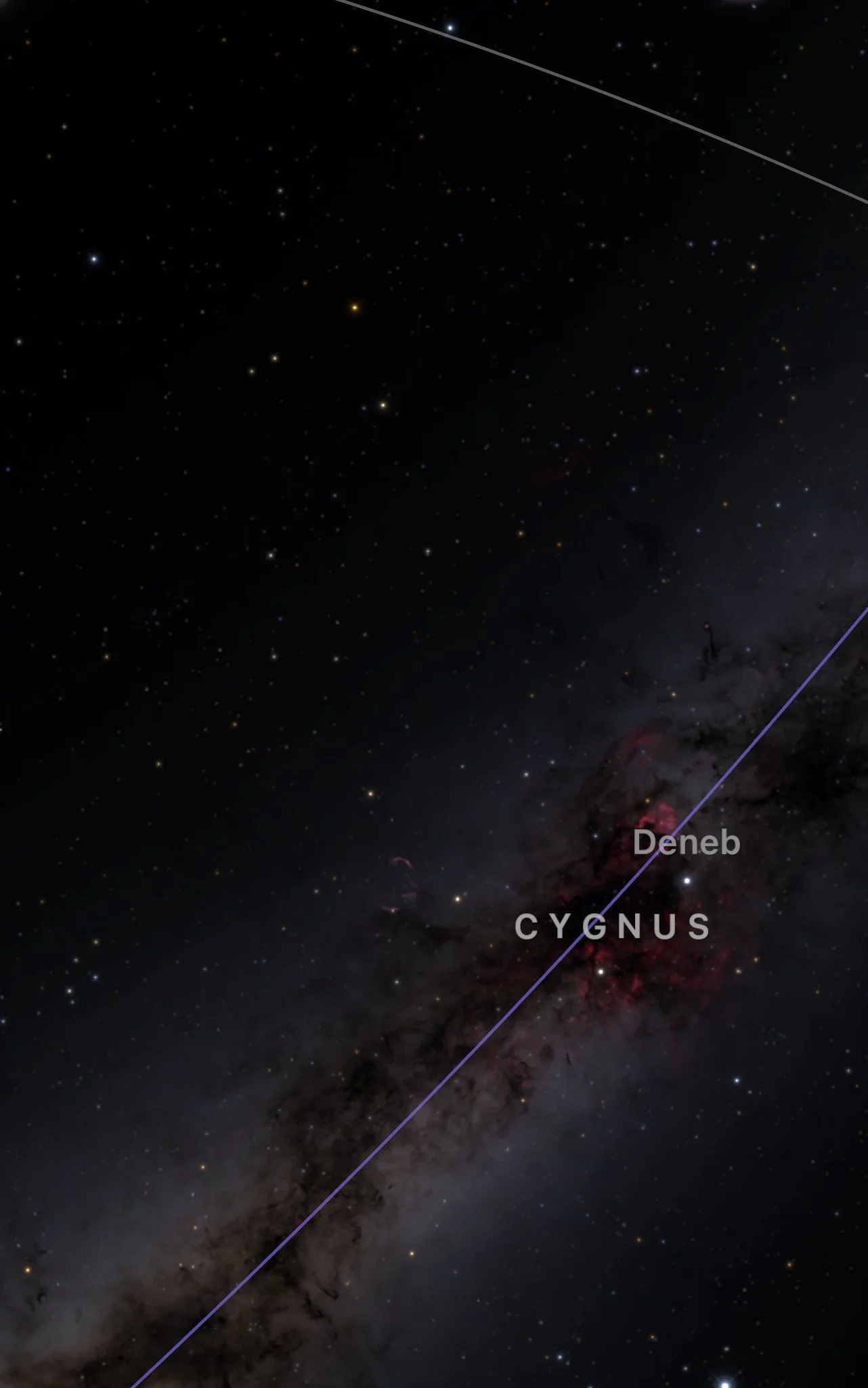
The Summer Triangle: Directly overhead, Vega, Deneb, and Altair dominate the zenith. Follow the trail of Deneb through Cygnus (the Swan) to trace the northern arm of the Milky Way stringing down to the horizon.
Andromeda Galaxy (M31): Rising higher in the northeast, Andromeda is the furthest object you can see with the naked eye (2.5 million light-years away). From dark island spots like Pozo Negro or Los Molinos, it appears as a distinct fuzzy oval.
The Zodiacal Light: A rare equinox treat for dark-sky reserves! In late September and early October, you can often see a faint pyramid of glowing light in the east just before dawn, caused by sunbeams reflecting off interplanetary dust along the ecliptic plane.
Autumn is transition time for observers in Fuerteventura. As dusk settles, the bright Galactic Core of the Milky Way stands dramatically upright in the southwestern sky. September offers the last comfortable evening window to view the dense core before it dips below the horizon for the winter.
Looking overhead, the Summer Triangle still reigns high, while Saturn shines brilliantly in the east all night long. As the island’s ancient agricultural cycle transitions from summer gathering to autumn planting, Fuerteventura’s low light pollution and long equinox nights make this one of the finest times of year to step outside and look up. ..
Al situarse a 28° de latitud norte, Fuerteventura ofrece una vista excepcional tanto de las estrellas del norte como de los objetos celestes que se encuentran más bajos, sobre el horizonte marino del sur.
Saturno y Júpiter: Saturno alcanza su máximo brillo en septiembre (durante la oposición); sale por el este al atardecer y permanece visible durante toda la noche. Júpiter le sigue de cerca, apareciendo a última hora de la tarde como una "estrella" resplandeciente.
El Triángulo de Verano: Justo encima de nuestras cabezas, Vega, Deneb y Altair dominan el cenit. Sigue el rastro de Deneb a través de la constelación de Cygnus (el Cisne) para trazar el brazo norte de la Vía Láctea, que se extiende hacia el horizonte.
Galaxia de Andrómeda (M31): Visible cada vez más alta en el noreste, Andrómeda es el objeto más lejano que se puede observar a simple vista (a 2,5 millones de años luz). Desde lugares con cielos oscuros en la isla, como Pozo Negro o Los Molinos, se percibe como un óvalo difuso y bien definido.
La luz zodiacal: ¡Un espectáculo poco común del equinoccio para las reservas de cielo oscuro! A finales de septiembre y principios de octubre, a menudo se puede ver una tenue pirámide de luz resplandeciente en el este justo antes del amanecer; este fenómeno se debe a la reflexión de los rayos solares en el polvo interplanetario a lo largo del plano de la eclíptica.
El otoño es una época de transición para los observadores en Fuerteventura. Al caer la tarde, el brillante núcleo galáctico de la Vía Láctea se alza imponente en el cielo suroeste. Septiembre ofrece la última oportunidad de la temporada para contemplar cómodamente este denso núcleo antes de que desaparezca bajo el horizonte durante el invierno.
Al mirar hacia arriba, el Triángulo de Verano sigue reinando en lo alto, mientras Saturno brilla intensamente en el este durante toda la noche. Mientras el antiguo ciclo agrícola de la isla pasa de la cosecha estival a la siembra otoñal, los bajos niveles de contaminación lumínica y las largas noches del equinoccio convierten a Fuerteventura en uno de los mejores lugares y momentos del año para salir al exterior y contemplar el firmamento. ….