
….
The night sky can feel like an overwhelming canvas of countless stars. But all you really need to get started is a clear night! With 88 official constellations filling the heavens, where should you begin? Here are 10 essential constellations every beginner should learn. These star patterns are bright, easy to find, and serve as cosmic signposts to discovering planets, deep-sky objects, and even other constellations.
..
El cielo nocturno puede parecer un lienzo abrumador de innumerables estrellas. ¡Pero lo único que necesitas para empezar es una noche despejada! Con 88 constelaciones oficiales que llenan el firmamento, ¿por dónde deberías empezar? Aquí tienes 10 constelaciones imprescindibles que todo principiante debería aprender. Estas figuras estelares son brillantes, fáciles de localizar y sirven como puntos de referencia cósmicos para descubrir planetas, objetos del cielo profundo e incluso otras constelaciones.
….
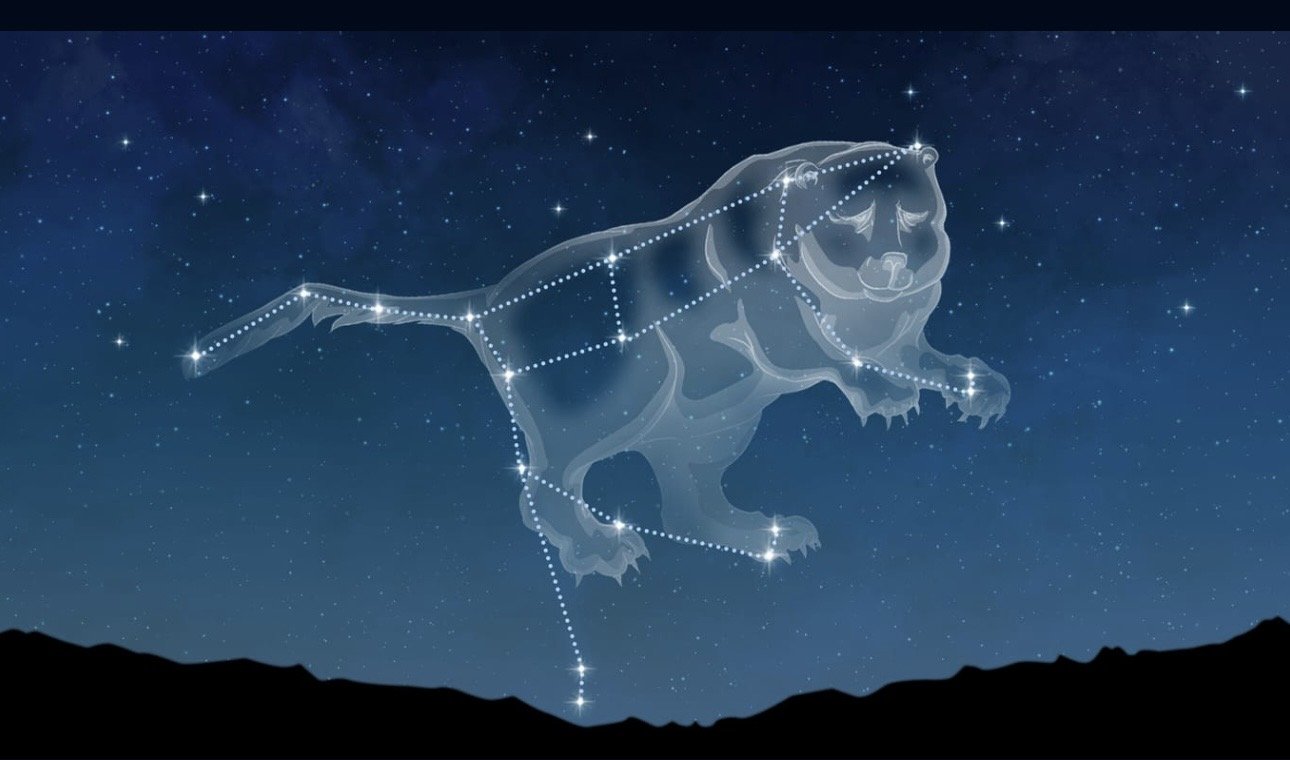
URSA MAJOR
(images curtesy of Sky Tonight App)
….1.Ursa Major (The Great Bear).. 1. La Osa Mayor (La Gran Osa)….
….Best Seen: Year-round (Northern Hemisphere) .. La mejor época para visitarlo: todo el año (hemisferio norte) …..
….Key Feature: The Big Dipper (an asterism within the larger constellation)..Característica destacada: La Osa Mayor (un asterismo dentro de la constelación más amplia)….
….Deep-Sky Targets: M101 (Pinwheel Galaxy) and M81/M82 galaxies..Objetos del cielo profundo: M101 (Galaxia del Molinete) y las galaxias M81/M82….
….Often the first pattern many people learn, the Big Dipper isn't technically a constellation itself, but rather an asterism (a recognizable pattern of stars) within Ursa Major. Its seven bright stars form a distinctive ladle shape that ancient cultures associated with a bear. .. La Osa Mayor, que suele ser la primera constelación que aprenden muchas personas, no es técnicamente una constelación en sí misma, sino más bien un asterismo (una formación reconocible de estrellas) dentro de la constelación de la Osa Mayor. Sus siete estrellas brillantes forman una característica forma de cucharón que las culturas antiguas asociaban con un oso. ….
….Why it's important: It is your ultimate cosmic compass. The two stars at the end of the Dipper's "bowl" (Dubhe and Merak) act as pointer stars. Draw an imaginary line through them and extend it about five times the distance between them, and you'll land right on Polaris, the North Star. .. Por qué es importante: Es tu brújula cósmica definitiva. Las dos estrellas situadas en los extremos del «cuenco» de la Osa Mayor (Dubhe y Merak) actúan como estrellas guía. Traza una línea imaginaria que pase por ellas y alárgala hasta alcanzar aproximadamente cinco veces la distancia que hay entre ambas, y llegarás directamente a Polaris, la Estrella Polar. ….
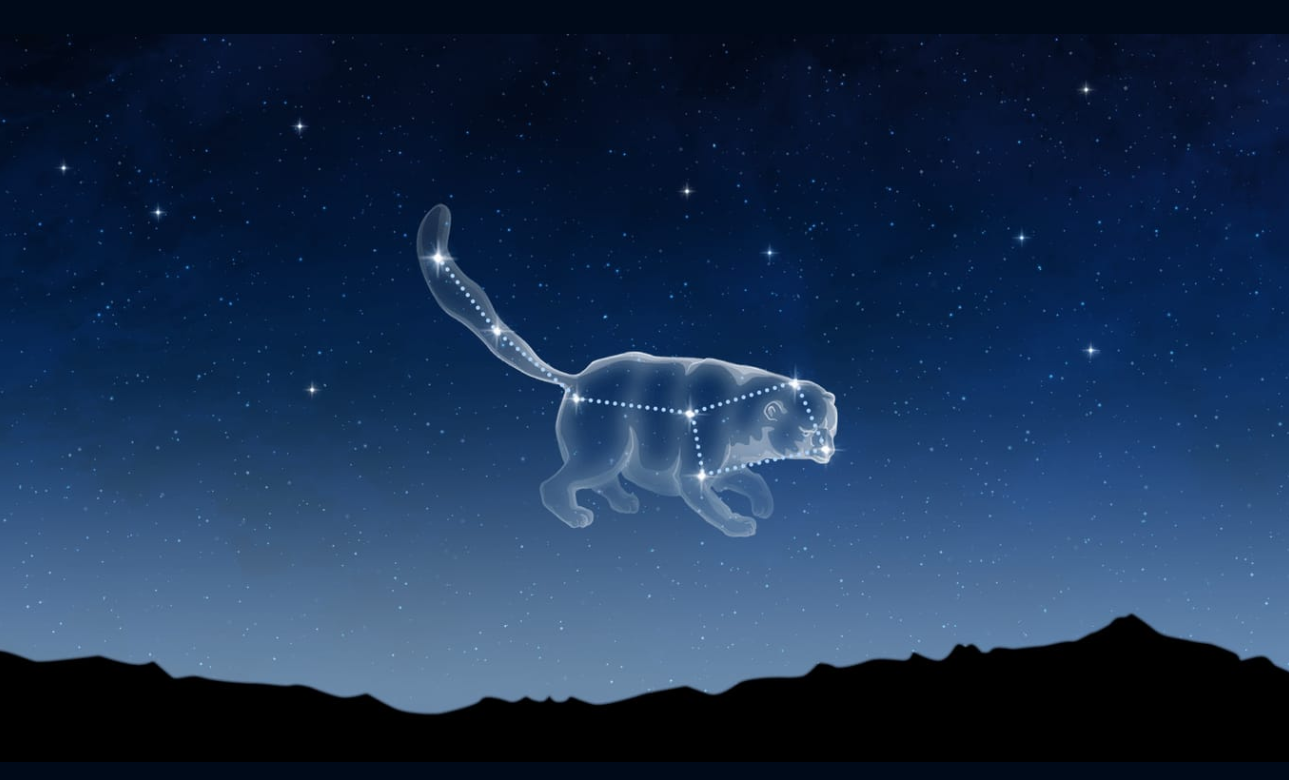
URSA MINOR
….2.Ursa Minor (The Little Bear).. 2.La Osa Menor (La Osa Pequeña)….
….Best Seen: Year-round (Northern Hemisphere).. La mejor época para visitarlo: todo el año (hemisferio norte)….
….Key Feature: The Little Dipper asterism..Característica destacada: el asterismo de la Osa Menor….
….Key Star: Polaris (The North Star)..Estrella destacada: Polaris (la Estrella Polar)….
….The Little Dipper is the smaller, fainter companion to Ursa Major. While its stars are dimmer and can be tough to see in light-polluted cities, it holds the most important star in the northern sky. .. La Osa Menor es la compañera más pequeña y menos brillante de la Osa Mayor. Aunque sus estrellas son más tenues y pueden resultar difíciles de ver en ciudades con contaminación lumínica, alberga la estrella más importante del cielo del norte. ….
….Why it's important: Polaris sits at the very tip of the Little Dipper’s handle. Because it sits directly above Earth's North Pole, it stays fixed in the sky while all other stars appear to rotate around it. Finding it solidifies your navigational skills. .. Por qué es importante: Polaris se encuentra en el extremo del mango de la Osa Menor. Como está situada justo encima del Polo Norte de la Tierra, permanece fija en el cielo, mientras que todas las demás estrellas parecen girar a su alrededor. Encontrarla te ayuda a consolidar tus habilidades de orientación…..
….3.Orion (The Hunter).. 3.Orión (El Cazador)….
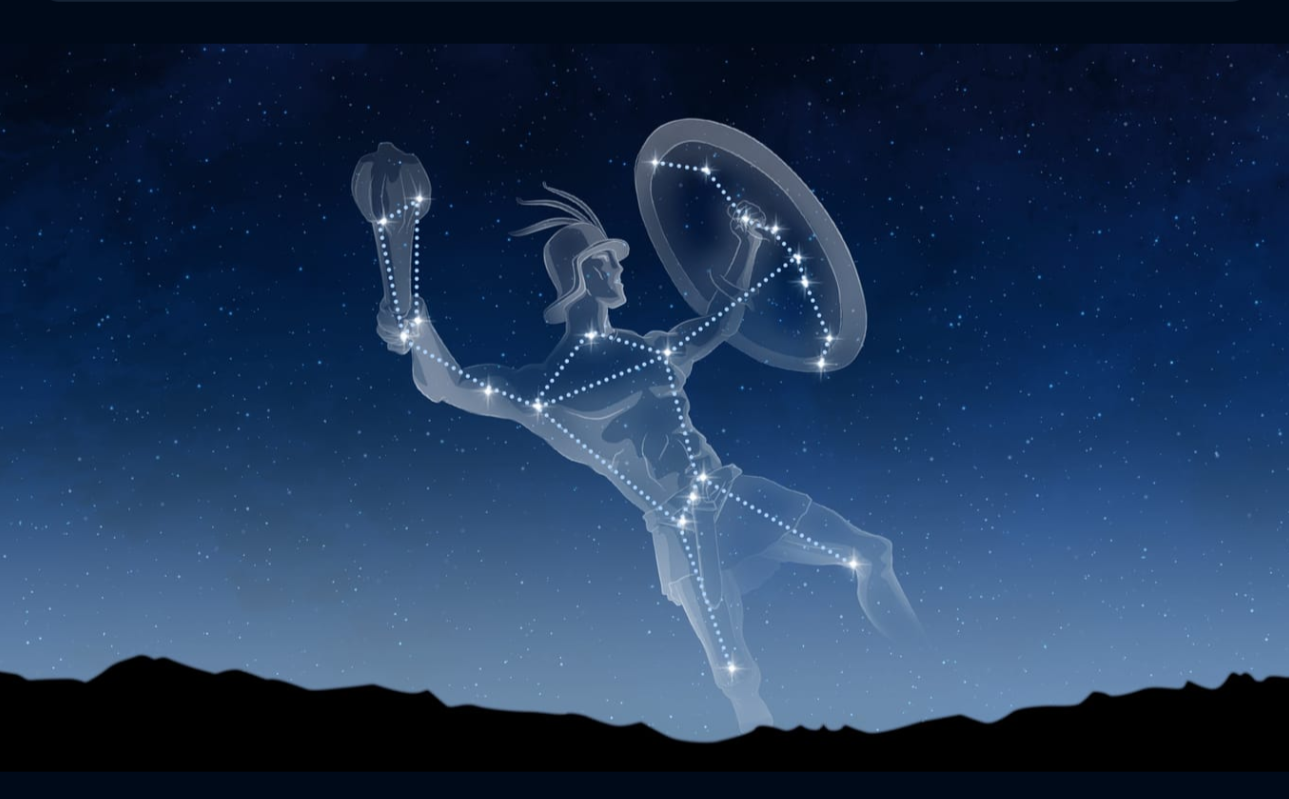
ORION
….Best Seen: Winter (Northern Hemisphere) / Summer (Southern Hemisphere)..La mejor época para visitarlo: invierno (hemisferio norte) / verano (hemisferio sur)….
….Key Stars: Betelgeuse (red supergiant) and Rigel (blue supergiant)..Estrellas destacadas: Betelgeuse (supergigante roja) y Rigel (supergigante azul)….
….Deep-Sky Targets: The Orion Nebula (M42)..Objetos del cielo profundo: la Nebulosa de Orión (M42)….
….Orion is arguably the most magnificent and easily recognised constellation in the entire night sky. It is dominated by Orion’s Belt—a perfectly straight line of three bright stars representing the hunter's waist. .. Podría decirse que Orión es la constelación más magnífica y fácilmente reconocible de todo el cielo nocturno. En ella destaca el Cinturón de Orión, una línea perfectamente recta formada por tres estrellas brillantes que representan la cintura del cazador. ….
….Why it's important: Orion is a brilliant display of stellar evolution, contrasting the dying red supergiant Betelgeuse with the young, furious blue supergiant Rigel. Follow the belt downwards, and it points directly to Sirius, the brightest star in the sky. Look just below the belt, and you can see the Orion Nebula, a massive stellar nursery, with the naked eye. .. Por qué es importante: Orión es un magnífico ejemplo de evolución estelar, en el que contrasta la supergigante roja moribunda Betelgeuse con la joven y furiosa supergigante azul Rigel. Si sigues el cinturón hacia abajo, este apunta directamente a Sirio, la estrella más brillante del cielo. Si miras justo debajo del cinturón, podrás ver a simple vista la Nebulosa de Orión, una enorme cuna estelar. ….
….4.Cassiopeia (The Queen).. 4.Casiopea (La Reina)….

CASSIOPEIA
….Best Seen: Year-round (Northern Hemisphere) .. La mejor época para visitarlo: todo el año (hemisferio norte) ….
….Key Feature: A distinctive "W" or "M" shape.. Característica principal: una forma distintiva de “W” o “M” ….
….Deep-Sky Targets: The Andromeda Galaxy (M31)..Objetos del cielo profundo: la Galaxia de Andrómeda (M31)….
….Representing a vain queen on her throne, Cassiopeia consists of five bright stars that form a highly recognisable zig-zag shape. It sits directly opposite the Big Dipper, circling Polaris. .. Casiopea, que representa a una reina vanidosa en su trono, está formada por cinco estrellas brillantes que dibujan una figura en zigzag muy reconocible. Se encuentra justo enfrente de la Osa Mayor, girando en torno a la Estrella Polar. ….
….Why it's important: When the Big Dipper dips too low toward the horizon, Cassiopeia rises high, making it an excellent alternative guidepost for finding North. Furthermore, its unique shape acts as a cosmic arrow that helps observers locate the Andromeda Galaxy, the nearest major galaxy to our own Milky Way. .. Por qué es importante: Cuando la Osa Mayor se inclina demasiado hacia el horizonte, Casiopea se eleva en el cielo, lo que la convierte en un excelente punto de referencia alternativo para orientarse hacia el norte. Además, su forma única actúa como una flecha cósmica que ayuda a los observadores a localizar la Galaxia de Andrómeda, la galaxia mayor más cercana a nuestra Vía Láctea. ….
5. ….Scorpius (The Scorpion).. Escorpio (El Escorpión)….
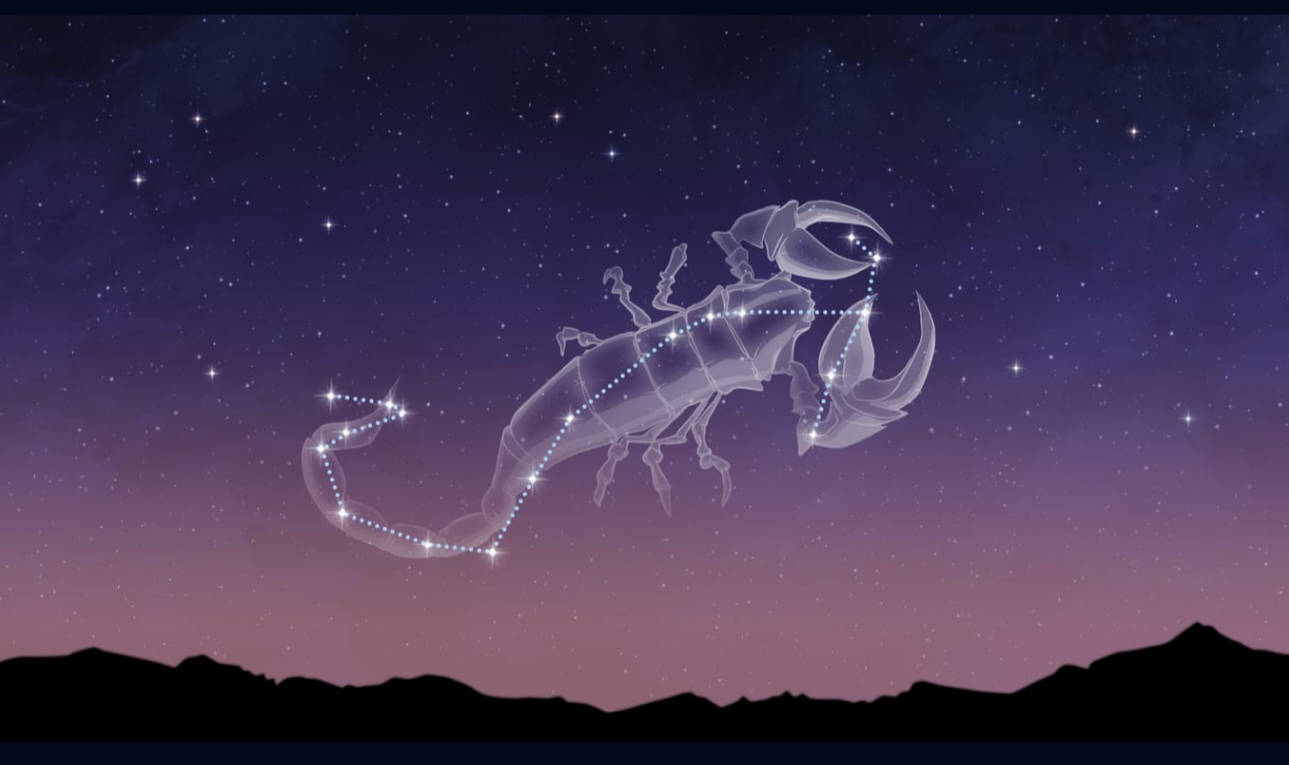
SCORPIUS
….Best Seen: Summer (Northern Hemisphere)/ Winter (Southern Hemisphere) .. Mejor época para visitarlo: verano (hemisferio norte)/invierno (hemisferio sur) ….
….Key Star: Antares (a red supergiant known as the "Heart of the Scorpion") .. Estrella principal: Antares (una supergigante roja conocida como el “Corazón del Escorpión”) ….
….Deep-Sky Targets: The Ptolemy Cluster (M7) and Butterfly Cluster (M6) .. Objetos del cielo profundo: el cúmulo de Ptolomeo (M7) y el cúmulo de la Mariposa (M6) ….
….Scorpius is one of the few constellations that actually looks exactly like its namesake. A striking, S-shaped curve of bright stars realistically traces out the body, claws, and curled stinger of a scorpion. .. Escorpio es una de las pocas constelaciones que se parece exactamente a lo que da nombre. Una llamativa curva en forma de S formada por estrellas brillantes traza de forma realista el cuerpo, las pinzas y el aguijón curvado de un escorpión. ….
….Why it's important: At the center of the scorpion's chest sits Antares, a fiery red supergiant so bright it is often mistaken for the planet Mars. Because Scorpius lies directly in front of the center of the Milky Way, its curved tail acts as a gateway to a dense playground packed with nebulae and star clusters. .. Por qué es importante: En el centro del pecho del escorpión se encuentra Antares, una supergigante de color rojo intenso tan brillante que a menudo se confunde con el planeta Marte. Dado que la constelación de Escorpio se encuentra justo delante del centro de la Vía Láctea, su cola curvada actúa como puerta de entrada a un denso espacio repleto de nebulosas y cúmulos estelares. ….
6. ….Cygnus (The Swan).. Cygnus (El Cisne)….
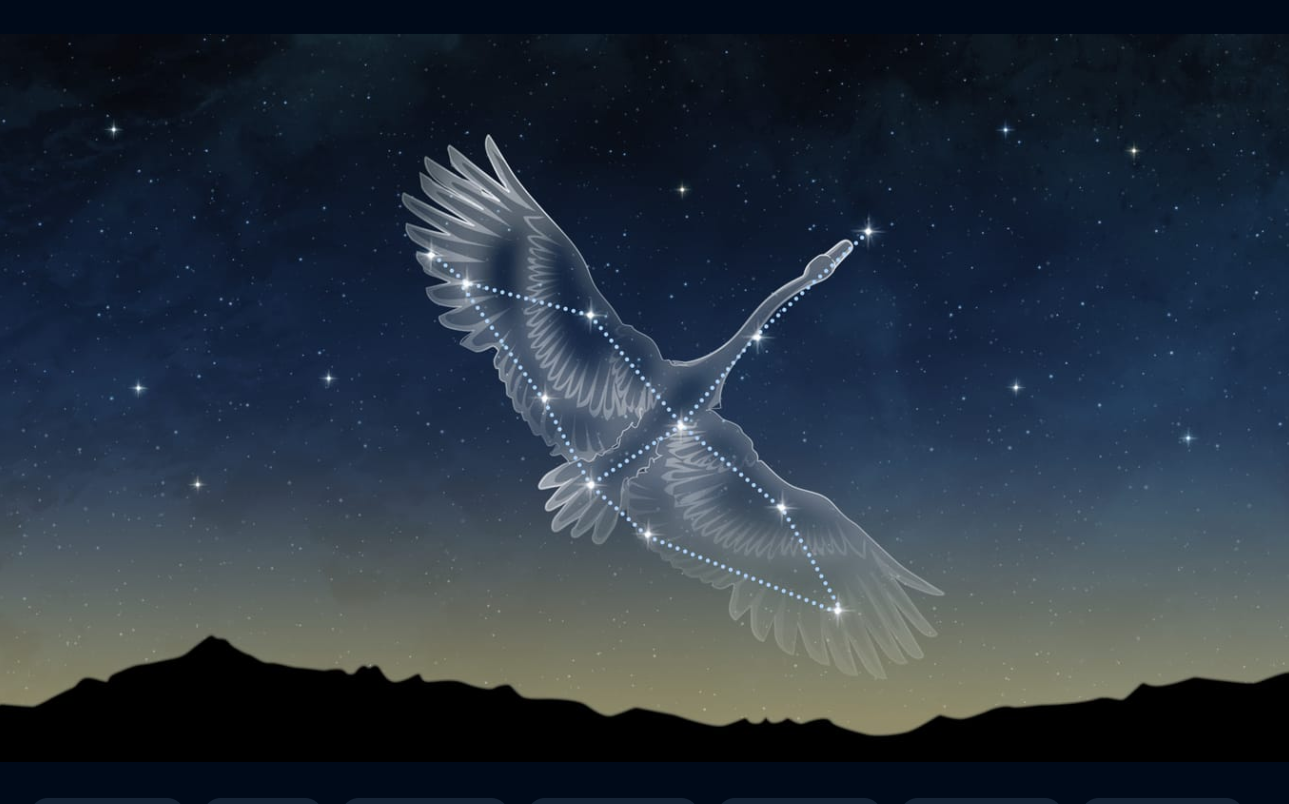
CYGNUS
….Best Seen: Summer and Autumn (Northern Hemisphere) .. La mejor época para visitarlo: verano y otoño (hemisferio norte) ….
….Key Feature: The Northern Cross asterism .. Característica destacada: el asterismo de la Cruz del Norte….
….Key Stars: Deneb (supergiant) and Albireo (double star) .. Estrellas destacadas: Deneb (supergigante) y Albireo (estrella doble) ….
….Cygnus flies gracefully down the band of the Milky Way. Its brightest stars form the "Northern Cross," a geometric shape where the long vertical axis traces out the elegant neck of a flying swan. Deneb marks the swan's tail, while Albireo marks its beak. .. La constelación de Cygnus se extiende con elegancia a lo largo de la franja de la Vía Láctea. Sus estrellas más brillantes forman la «Cruz del Norte», una figura geométrica cuyo largo eje vertical traza el elegante cuello de un cisne en vuelo. Deneb marca la cola del cisne, mientras que Albireo marca su pico. ….
….Why it's important: Cygnus acts as a giant window into the structure of our own galaxy. Through binoculars, Albireo splits into a stunning double star of contrasting sapphire-blue and gold. Cygnus also famously houses Cygnus X-1, the very first confirmed black hole ever discovered. .. Por qué es importante: Cygnus es como una ventana gigante a la estructura de nuestra propia galaxia. A través de unos prismáticos, Albireo se divide en una impresionante estrella doble que contrasta el azul zafiro con el dorado. Cygnus también es famosa por albergar Cygnus X-1, el primer agujero negro confirmado que se descubrió jamás. ….
7. ….Leo (The Lion).. Leo (El León)….
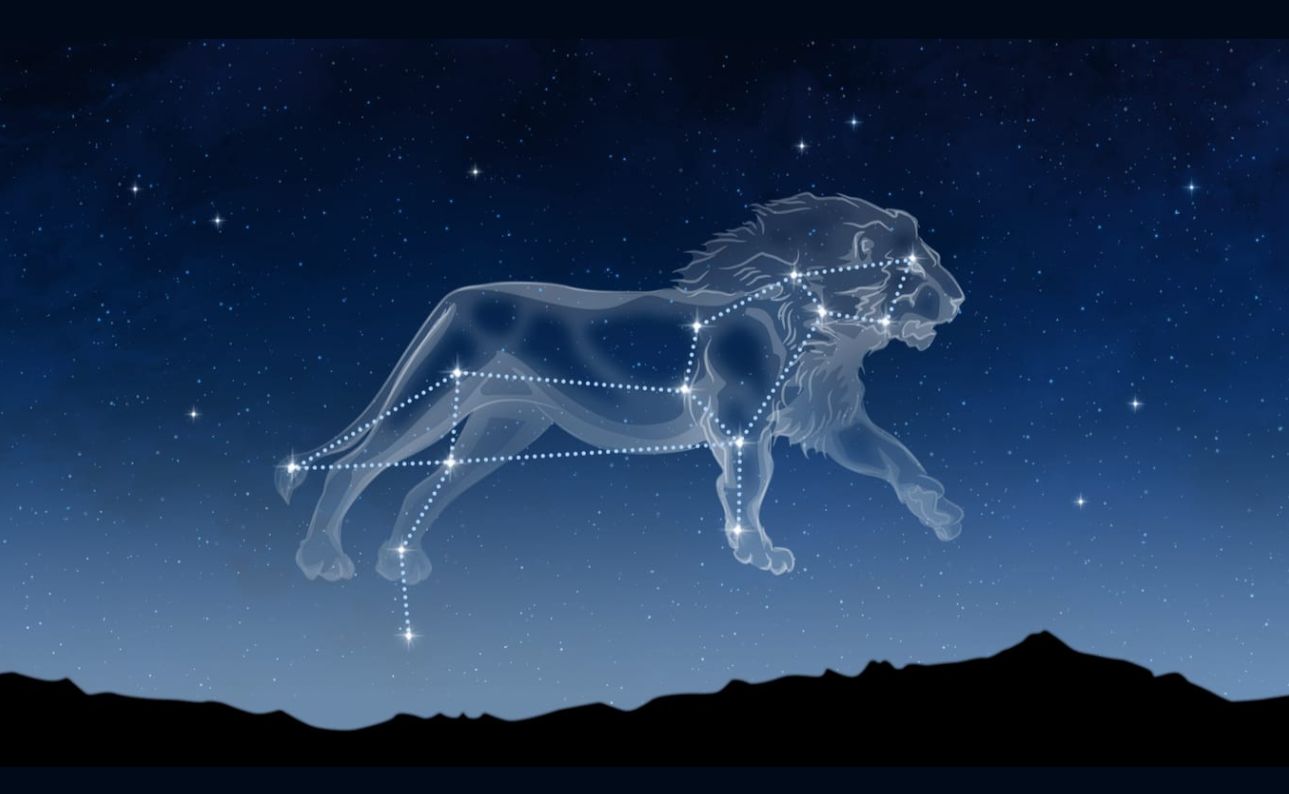
LEO
….Best Seen: Spring (Northern Hemisphere)..La mejor época para visitarlo: primavera (hemisferio norte)….
….Key Feature: The "Sickle" asterism (resembling a backward question mark).. Característica destacada: el asterismo “Sickle” (que se asemeja a un signo de interrogación al revés) ….
….Key Star: Regulus (the lion's heart) .. Estrella clave: Regulus (el corazón del león)….
….East of Cancer lies Leo, a prominent zodiac constellation that actually resembles a crouching lion. The lion's head and mane are formed by a distinctive backward question mark pattern called "The Sickle." .. Al este de Cáncer se encuentra Leo, una destacada constelación del zodíaco que, de hecho, se asemeja a un león agazapado. La cabeza y la melena del león están formadas por un característico patrón en forma de signo de interrogación invertido llamado “La Hoza”. ….
….Why it's important: Regulus, Leo's brightest star, was heavily relied upon by ancient navigators. For modern stargazers, Leo serves as a fantastic landmark in the spring sky and acts as the perfect guidepost for locating the "Leo Triplet"—a beautiful trio of interacting galaxies visible through binoculars or small telescopes. .. Por qué es importante: Regulus, la estrella más brillante de Leo, era un punto de referencia fundamental para los navegantes de la antigüedad. Para los observadores de estrellas actuales, Leo constituye un fantástico punto de referencia en el cielo primaveral y sirve de guía perfecta para localizar el «Trío de Leo», un hermoso trío de galaxias que interactúan entre sí y que se puede observar con prismáticos o pequeños telescopios. ….
8. ….Pegasus (The Winged Horse).. Pegaso (el caballo alado) ….
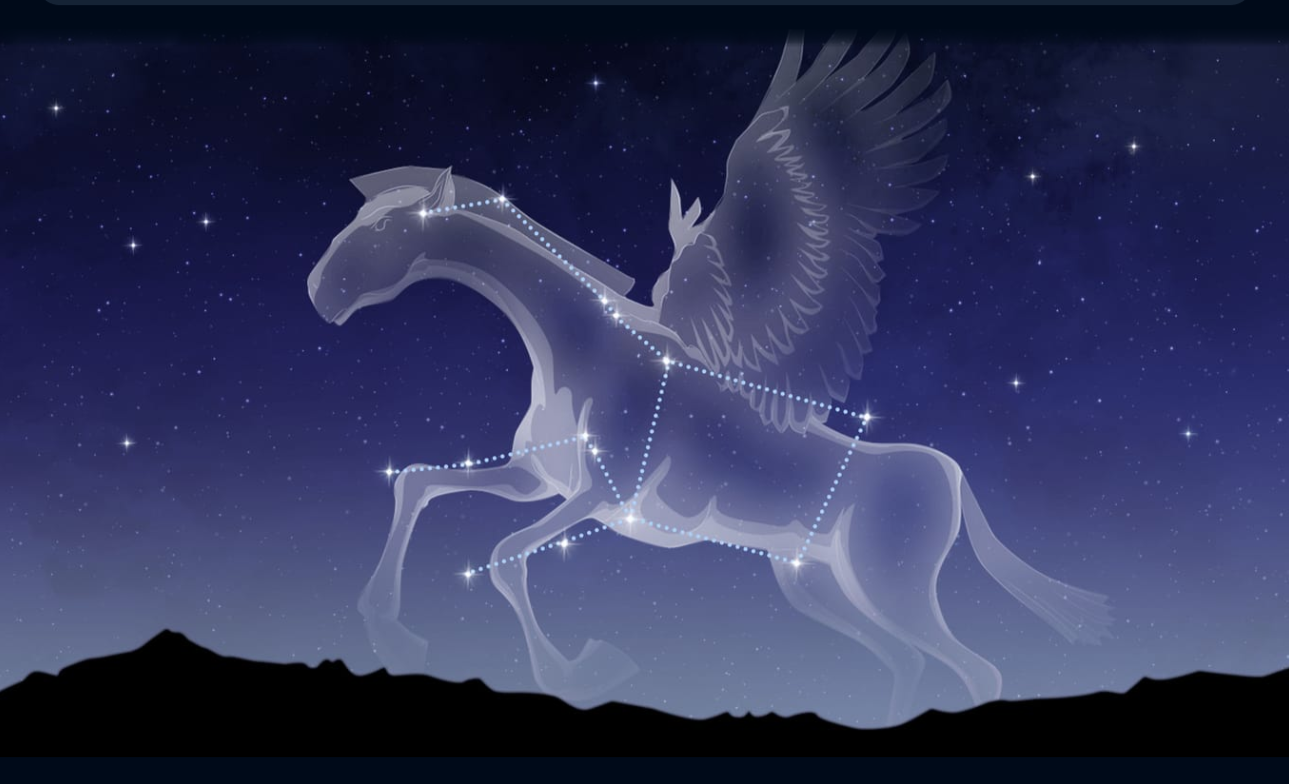
PEGASUS
….Best Seen: Autumn (Northern Hemisphere) .. Mejor época para verlo: otoño (hemisferio norte) ….
….Key Feature: The Great Square of Pegasus .. Característica clave: El Gran Cuadrado de Pegaso ….
….Deep-Sky Targets: M15 (a dense globular star cluster) .. Objetos de cielo profundo: M15 (un cúmulo globular denso) ….
….Dominating the autumn evening sky, Pegasus is representing the mythical winged horse. Stargazers should look for the "Great Square," a massive, distinct four-star pattern that forms the main body of the horse. .. Pegaso, que domina el cielo de las tardes de otoño, representa al mítico caballo alado. Los observadores de estrellas deberían buscar el «Gran Cuadrado», una formación enorme y bien definida de cuatro estrellas que conforma el cuerpo principal del caballo. ….
….Why it's important: Pegasus is a fundamental navigational gateway to the autumn sky, helping you locate neighboring constellations like Andromeda and Pisces. Historically, it is also famous for housing 51 Pegasi, the very first sun-like star discovered to host an orbiting exoplanet. .. Por qué es importante: Pegaso es una referencia fundamental para orientarse en el cielo otoñal, ya que ayuda a localizar constelaciones vecinas como Andrómeda y Piscis. Históricamente, también es famosa por albergar a 51 Pegasi, la primera estrella similar al Sol en la que se descubrió un exoplaneta en órbita. ….
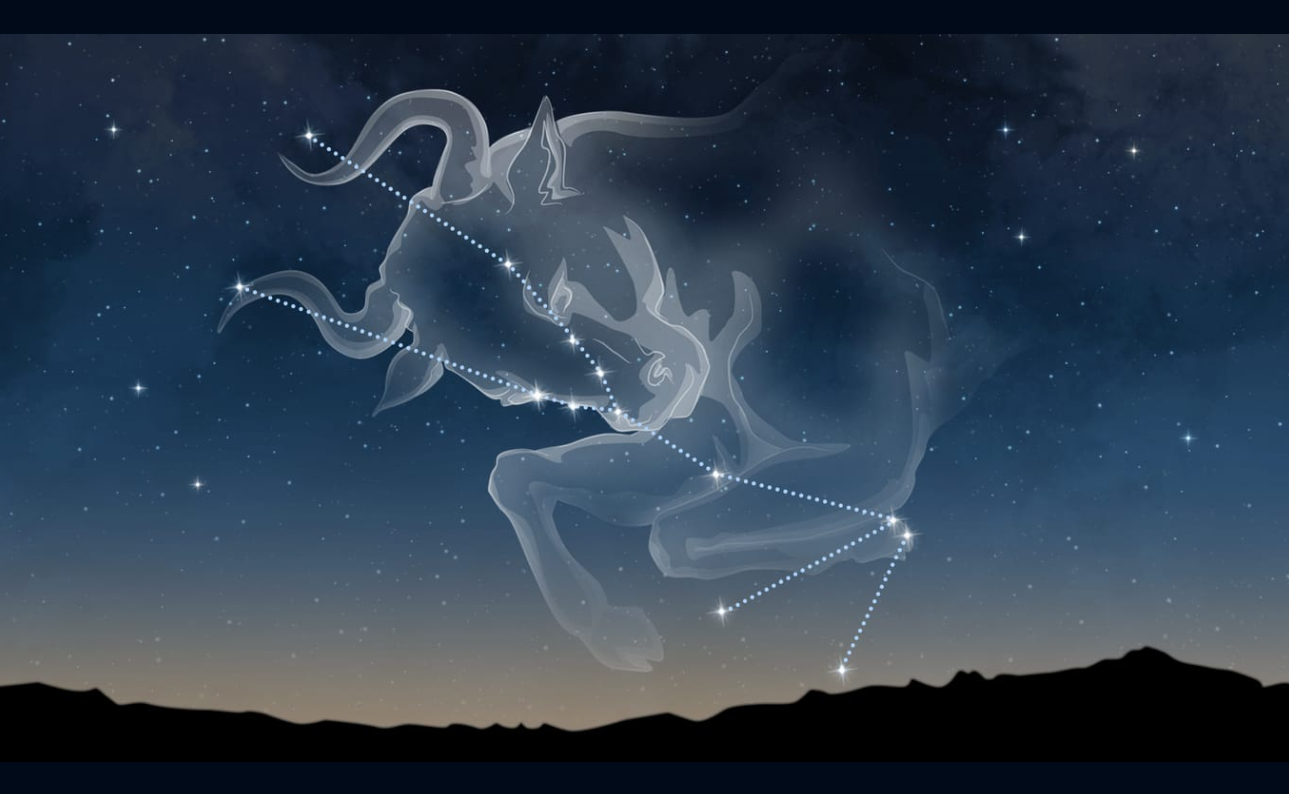
TAURUS
9. ….Taurus (The Bull).. Tauro (El Toro)….
….Best Seen: Winter (Northern Hemisphere) .. La mejor época para visitarlo: invierno (hemisferio norte) ….
….Key Star: Aldebaran (a red giant marking the bull's eye) .. Estrella principal: Aldebarán (una gigante roja que marca el ojo del toro) ….
…. Deep-Sky Targets: The Pleiades (Seven Sisters) and the Crab Nebula (M1) .. Objetos del cielo profundo: las Pléyades (las Siete Hermanas) y la Nebulosa del Cangrejo (M1) ….
….Located right next to Orion, Taurus is an iconic winter constellation. The face of the bull is formed by a V shaped cluster of stars called the Hyades, anchored by the fiery, reddish orange glare of the giant star Aldebaran. .. Situada justo al lado de Orión, Tauro es una constelación emblemática del invierno. La cara del toro está formada por un cúmulo de estrellas en forma de V llamado las Híades, con el resplandor ardiente, de color rojo anaranjado, de la estrella gigante Aldebarán como punto de referencia. ….
….Why it's important: Taurus is a masterclass in deep-sky objects. Just above the bull's shoulder sits the Pleiades (the Seven Sisters), a stunning, fuzzy cluster of blue stars easily visible to the naked eye. Taurus also contains the Crab Nebula, the ghostly, expanding remnant of a supernova observed by astronomers in the year 1054. .. Por qué es importante: Tauro es un auténtico ejemplo de objetos del cielo profundo. Justo por encima del hombro del toro se encuentran las Pléyades (las Siete Hermanas), un impresionante y difuso cúmulo de estrellas azules fácilmente visible a simple vista. Tauro también alberga la Nebulosa del Cangrejo, el fantasmal y en expansión remanente de una supernova observada por los astrónomos en el año 1054. ….
10. ….Crux (The Southern Cross)..Crux (La Cruz del Sur)….
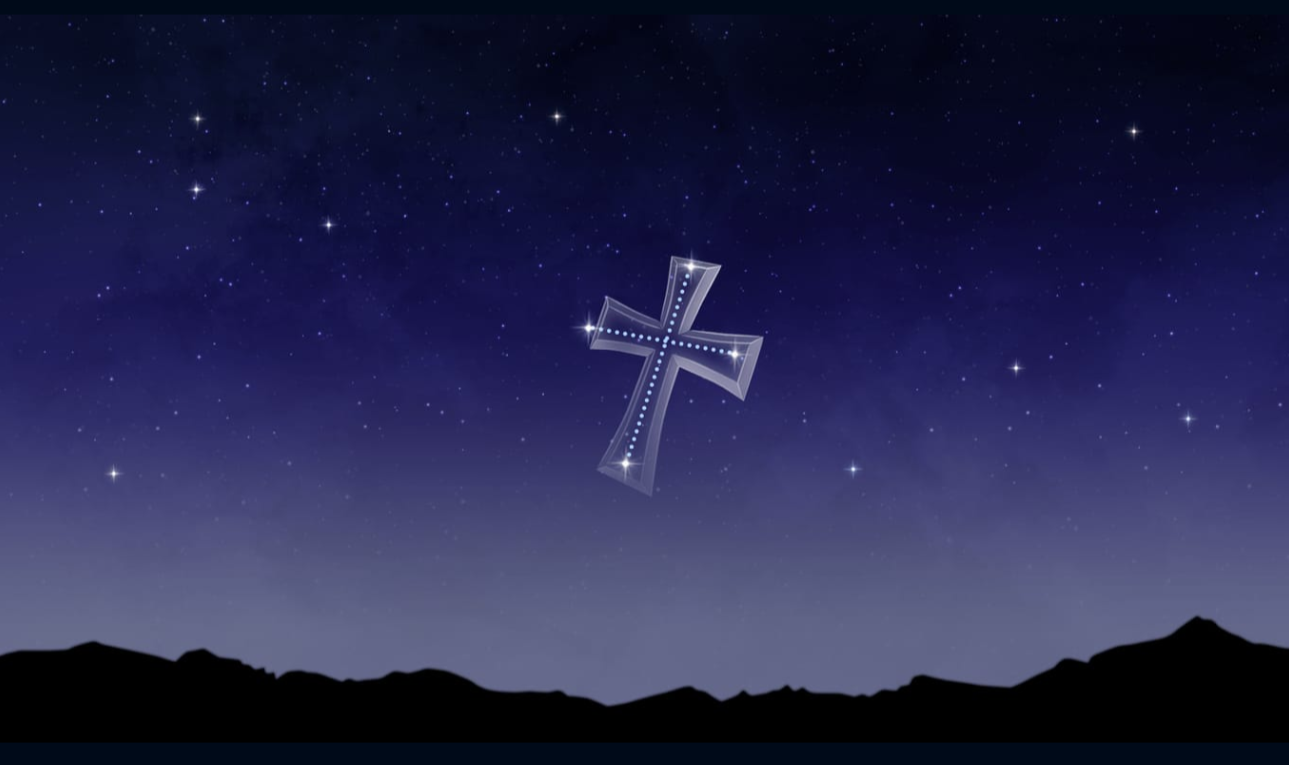
CRUX
….Best Seen: Year-round (Southern Hemisphere) .. Mejor época para visitarlo: todo el año (hemisferio sur) ….
….Key Feature: A compact cross flanked by the "Southern Pointers" .. Característica destacada: una cruz compacta flanqueada por los “Southern Pointers” ….
….Deep-Sky Targets: The Jewel Box Cluster and the Coalsack Nebula .. Objetos del cielo profundo: el cúmulo «Jewel Box» y la nebulosa “Coalsack” ….
….Tucked inside the larger constellation Centaurus, Crux is the smallest of all 88 official constellations, but what it lacks in size, it makes up for in brightness. Four brilliant stars form a distinct, compact cross shape. .. Escondida en el interior de la constelación más grande, Centauro, Crux es la más pequeña de las 88 constelaciones oficiales, pero lo que le falta en tamaño lo compensa con su brillo. Cuatro estrellas brillantes forman una cruz bien definida y compacta. ….
….Why it's important: Crux is the ultimate celestial anchor for the Southern Hemisphere. Because there is no "South Star," stargazers use the long axis of the cross (guided by the nearby bright "Pointer Stars," Alpha and Beta Centauri) to locate the South Celestial Pole. It is so culturally iconic that it is proudly featured on the national flags of Australia, New Zealand, Brazil, Papua New Guinea, and Samoa. .. Por qué es importante: Crux es el punto de referencia celeste por excelencia del hemisferio sur. Dado que no existe una “Estrella del Sur”, los observadores del cielo utilizan el eje largo de la cruz (guiados por las brillantes «estrellas indicadoras» cercanas, Alfa y Beta Centauri) para localizar el polo sur celeste. Es un símbolo cultural tan emblemático que aparece con orgullo en las banderas nacionales de Australia, Nueva Zelanda, Brasil, Papúa Nueva Guinea y Samoa. ….
….By mastering just these 10 constellations, you’ve unlocked the basic road map of the universe. They will serve as your lifelong anchors, helping you orient yourself no matter where you travel in the world.
The next time you get a clear, moonless night, step outside, let your eyes adjust to the dark for 15 minutes, and look up. Start with what you know, and let the cosmic signposts guide you from there.
Happy stargazing!
..
Con solo dominar estas 10 constelaciones, habrás descifrado la hoja de ruta básica del universo. Te servirán de puntos de referencia para toda la vida, ayudándote a orientarte vayas donde vayas por el mundo.
La próxima vez que haya una noche clara y sin luna, sal al exterior, deja que tus ojos se adapten a la oscuridad durante 15 minutos y mira hacia arriba. Empieza por lo que ya conoces y deja que las señales cósmicas te guíen a partir de ahí.
¡Disfruta de la observación de las estrellas!
….