stargazer

....Catching the Perseids Meteor Shower in Fuerteventura.. Observar la lluvia de meteoros de las Perseidas en Fuerteventura....

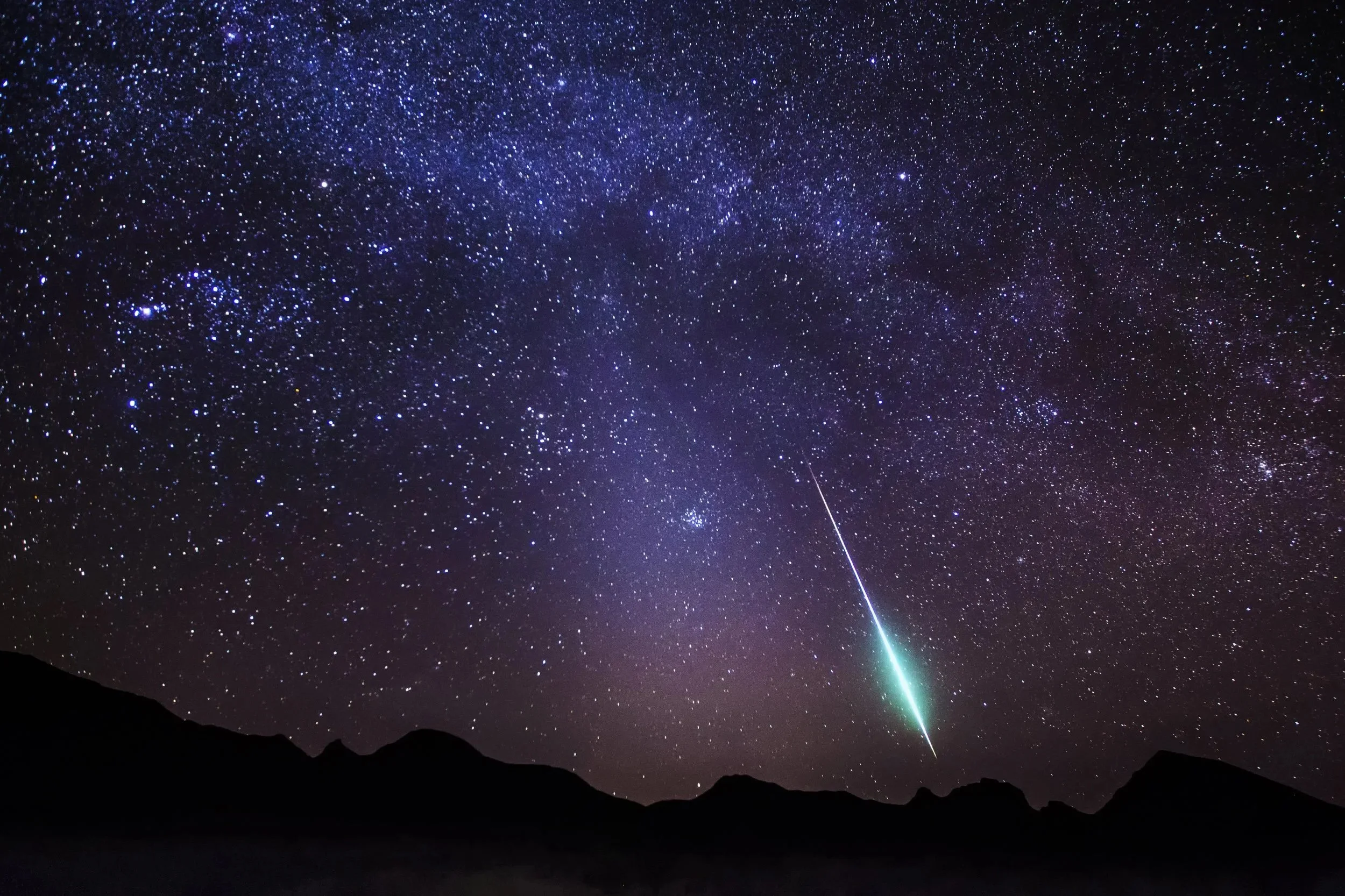
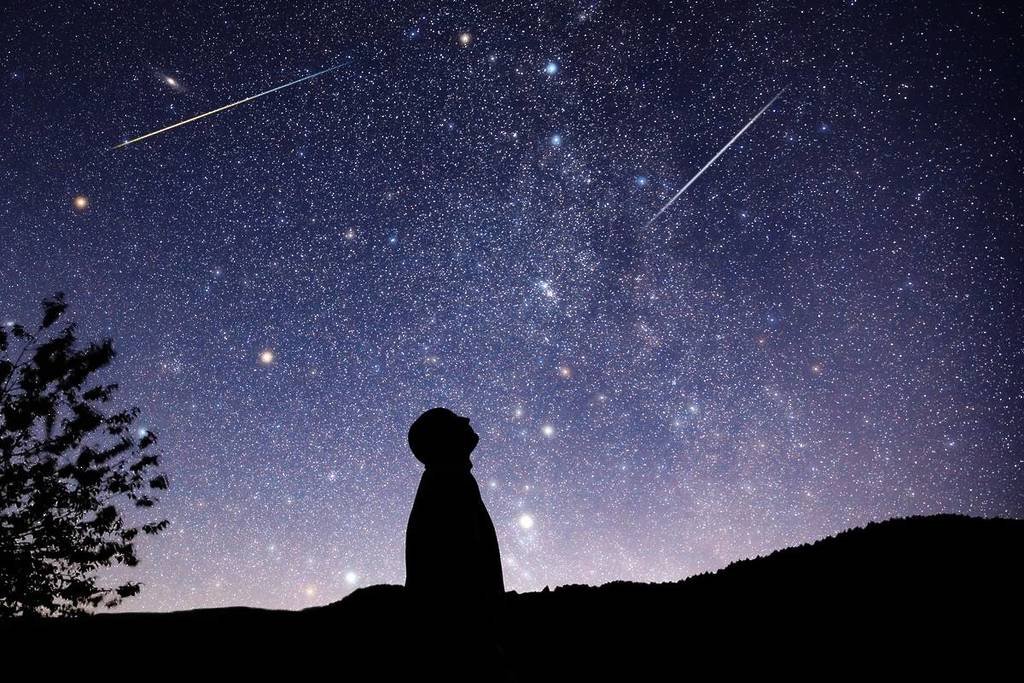
….Every summer (northern hemisphere), skywatchers tune in for the Perseid meteor shower, widely considered the best of the annual celestial events. Famous for producing bright, fast-moving meteors, the Perseids deliver one of the most reliable light shows of the year. And at last, the peak night occurs during the New Moon phase. The sky will be at its darkest and optimum viewing for observing shooting stars.

..

Cada verano (en el hemisferio norte), los aficionados a la astronomía aguardan la lluvia de meteoros de las Perseidas, considerada por muchos como el mejor evento celeste anual. Famosas por producir meteoros brillantes y veloces, las Perseidas ofrecen uno de los espectáculos lumínicos más fiables del año. Y, por fin, la noche de máxima actividad coincide con la fase de luna nueva; el cielo estará en su punto más oscuro, ofreciendo condiciones óptimas para observar las estrellas fugaces.

….
….2026: Spain’s Double Cosmic Feature .. 2026: El doble acontecimiento cósmico de España ….

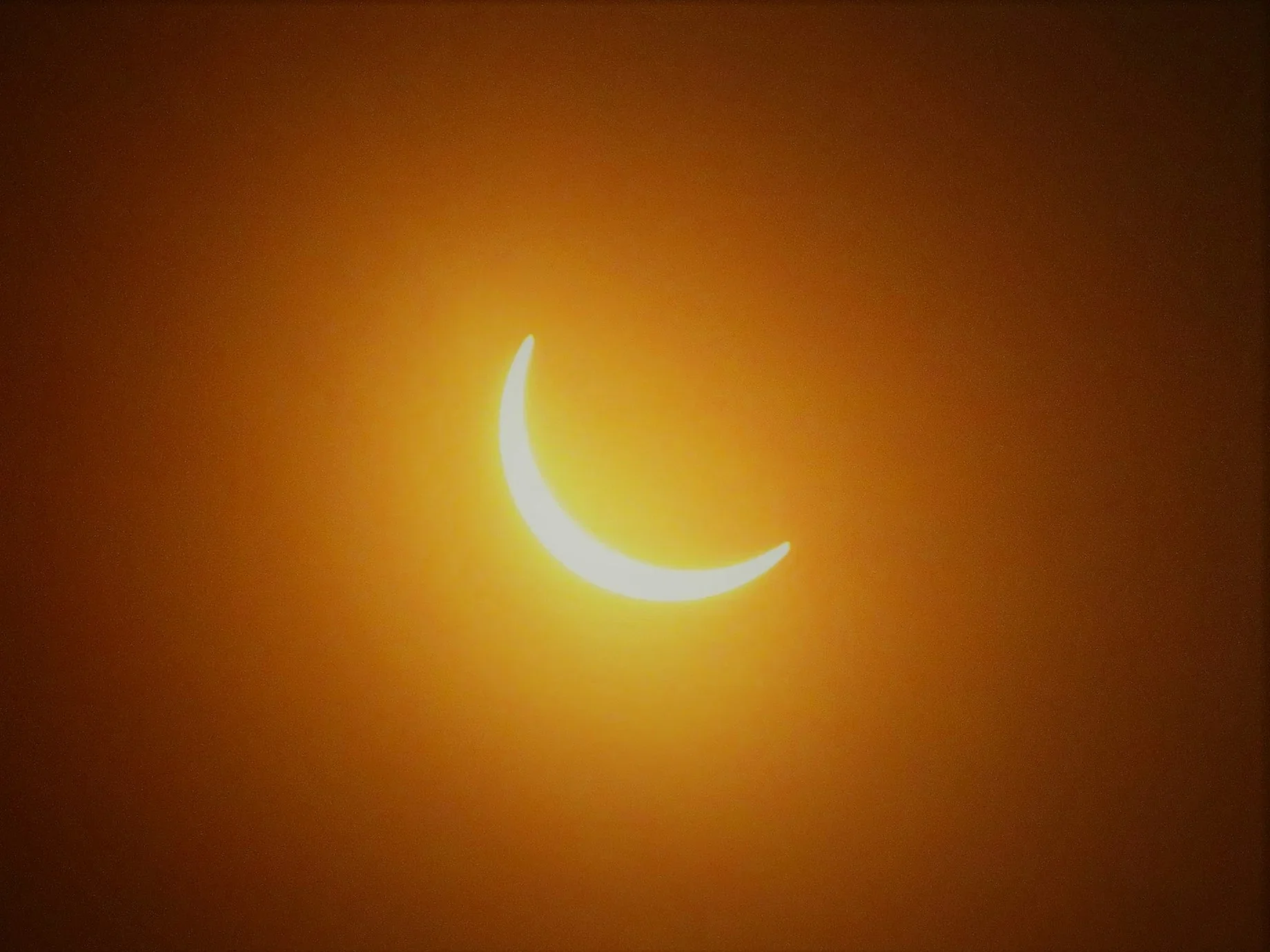
….This year, observers from Spain get an extraordinary celestial two-for-one. The peak of the Perseid meteor shower falls right on the heels of Spain’s total solar eclipse in August 2026 (which will be visible from Fuerteventura as a dramatic partial solar eclipse (75% obscuration) just before sunset. .. Este año, los observadores en España disfrutarán de un extraordinario «dos por uno» astronómico. El momento de máxima actividad de la lluvia de meteoros de las Perseidas se producirá justo después del eclipse solar total que tendrá lugar en España en agosto de 2026 (el cual será visible desde Fuerteventura como un impresionante eclipse solar parcial —con un 75 % de ocultación— justo antes del atardecer). ….

…. What Are the Perseids? .. ¿Qué son las perseidas? ….

…. The Perseids are a massive stream of cosmic debris created by Comet 109P/Swift-Tuttle, a massive ball of ice, rock, and dust with a nucleus measuring 16 miles (26 km) across. .. Las Perseidas son una enorme corriente de escombros cósmicos generada por el cometa 109P/Swift-Tuttle, una enorme bola de hielo, roca y polvo con un núcleo de 26 km (16 millas) de diámetro…..

….

  • Discovery & Orbit: Discovered independently in 1862 by Lewis Swift and Horace Tuttle, Swift-Tuttle takes 133 years to orbit the Sun once. It last visited the inner solar system in 1992 (when meteor rates skyrocketed to 500 per hour during its closest approach) and won't return until 2125.

  • The Cosmic Connection: While the first written record of the Perseids dates back to a Chinese observer in 36 AD, it wasn't until 1865 that Italian astronomer Giovanni Schiaparelli realised this annual shower was directly caused by the orbit of Comet Swift-Tuttle.

  • The Physics: As Earth passes through the comet's debris stream every summer, tiny sand-sized particles hit our upper atmosphere at an astonishing 37 miles per second (133,000 mph / 60 km/s). Friction compresses and heats the air in front of them to around 3,000°F, burning up roughly 60 miles above the ground to create glowing streaks of light.

..

  • Descubrimiento y órbita: Descubierto de forma independiente en 1862 por Lewis Swift y Horace Tuttle, el cometa Swift-Tuttle tarda 133 años en completar una órbita alrededor del Sol. Su última visita a la parte interior del sistema solar fue en 1992 (momento en que la tasa de meteoros se disparó a 500 por hora durante su máximo acercamiento) y no regresará hasta 2125.

  • La conexión cósmica: Aunque el primer registro escrito de las Perseidas proviene de un observador chino del año 36 d. C., no fue hasta 1865 cuando el astrónomo italiano Giovanni Schiaparelli comprendió que esta lluvia anual de meteoros estaba causada directamente por la órbita del cometa Swift-Tuttle.

  • La física del fenómeno: Cada verano, al atravesar la Tierra la corriente de escombros del cometa, diminutas partículas del tamaño de granos de arena chocan contra nuestra atmósfera superior a una velocidad asombrosa de 60 km/s (37 millas por segundo o 133.000 millas por hora). La fricción comprime y calienta el aire frente a ellas hasta alcanzar unos 1.650 °C (3.000 °F), provocando que se desintegren a unos 96 kilómetros (60 millas) de altura y creando así brillantes estelas de luz.

….

…. Key Dates & 2026 Viewing Conditions .. Fechas clave y condiciones de observación para 2026 ….

…. The Perseid shower runs for over a month each summer, but the true action happens during a brief peak window. .. La lluvia de las Perseidas se prolonga durante más de un mes cada verano, pero la verdadera actividad tiene lugar durante un breve periodo de máxima intensidad. ….

….

Active Window: July 17 to August 24 .. Periodo de actividad: Del 17 de julio al 24 de agosto ….

  • Peak Display: Night of August 12 into the early morning of August 13

  • Expected Rate: Up to 60 meteors per hour at peak (though gravitational pushes from Jupiter have pushed activity as high as 200 per hour in past bursts)

  • Moon Phase: New Moon, zero moonlight to wash out faint meteors

  • Active Window: July 17 to August 24

    ..

  • Periodo de actividad: Del 17 de julio al 24 de agosto

  • Momento de máxima actividad: La noche del 12 de agosto hasta la madrugada del 13 de agosto

  • Tasa prevista: Hasta 60 meteoros por hora en el pico de actividad (aunque las perturbaciones gravitatorias de Júpiter han elevado la actividad hasta los 200 meteoros por hora en episodios anteriores)

  • Fase lunar: Luna nueva; ausencia de luz lunar que pueda ocultar los meteoros más tenues

  • Periodo de vigencia: del 17 de julio al 24 de agosto

….

…. Why the Perseids Stand Out .. Por qué destacan las Perseidas ….

….
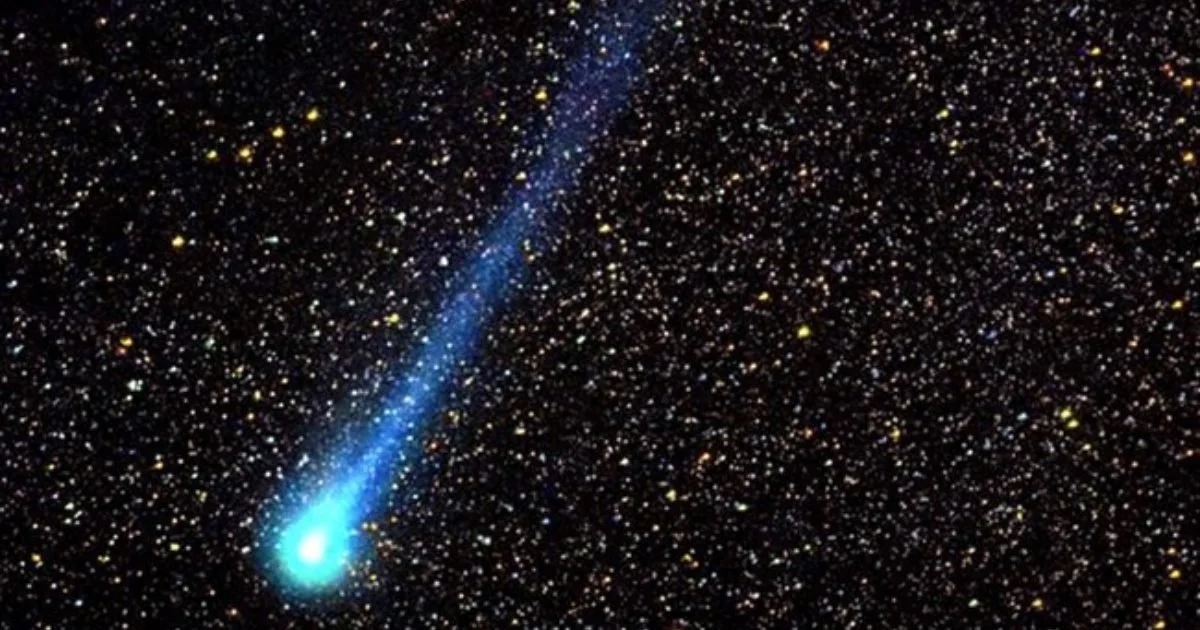
Image: Comet Swift- Tuttle. courtesy of The planetary society .

  • Bright Fireballs: Comet Swift-Tuttle drops large fragments, making the Perseids famous for producing unusually bright meteors (fireballs) that leave long-lasting glowing trails across the sky.

  • Warm Weather: Unlike the Geminids in chilly December, the Perseids peak during warm summer nights, making outdoor viewing relaxed and comfortable.

  • High Rate of Activity: At peak, you can consistently expect about one shooting star every minute under dark conditions.

..

  • Bólidos brillantes: El cometa Swift-Tuttle desprende grandes fragmentos, lo que hace que las Perseidas sean famosas por producir meteoros inusualmente brillantes (bólidos) que dejan estelas luminosas y duraderas en el cielo.

  • Clima cálido: A diferencia de las Gemínidas, que ocurren en el frío mes de diciembre, las Perseidas alcanzan su punto máximo durante las cálidas noches de verano, lo que permite disfrutar de la observación al aire libre de manera relajada y cómoda.

  • Alta tasa de actividad: En el momento de máxima actividad, cabe esperar ver, de forma constante, aproximadamente una estrella fugaz por minuto bajo cielos oscuros.

….

…. Understanding the Radiant

..

Entender el radiante ….

…. The shower gets its name because its meteors appear to stream outward from a central point (the radiant) in the constellation Perseus (bordering Cassiopeia and Camelopardalis).

However, the constellation is simply a visual landmark to help identify the shower, it is not the source of the meteors. You do not need to stare directly at Perseus to spot them, as meteors will flash across every part of the sky.

..

Esta lluvia de meteoros recibe su nombre porque los meteoros parecen irradiar desde un punto central (el radiante) situado en la constelación de Perseo (en el límite con Casiopea y Camelopardalis). Sin embargo, la constelación es simplemente una referencia visual para ayudar a identificar la lluvia; no es el origen de los meteoros. No es necesario mirar fijamente hacia Perseo para verlos, ya que los meteoros aparecerán surcando cualquier parte del cielo.

….

…. Fuerteventura Hourly Viewing Schedule .. Horario de observación por horas en Fuerteventura ….

…. While you might catch a few early meteors after dark, activity ramps up significantly after midnight as the radiant point rises higher in the northeast sky. The best hours are between midnight and pre-dawn. Give your eyes at least 20 to 30 minutes to adjust to full darkness. Avoid looking at bright phone screens or white lights, as dark-adapted eyes will catch significantly more of the fainter streaks. The best window to view the shower from Fuerteventura is during the peak night of August 12 into the early morning of August 13 (if weather/cloud permits) :

..

Aunque es posible ver algunos meteoros poco después del anochecer, la actividad aumenta considerablemente pasada la medianoche, a medida que el radiante se eleva en el cielo del noreste. Las mejores horas son entre la medianoche y el amanecer. Permite que tus ojos se adapten a la oscuridad total durante al menos 20 o 30 minutos. Evita mirar pantallas de teléfono brillantes o luces blancas, ya que los ojos adaptados a la oscuridad percibirán muchas más de las estelas más tenues. El mejor momento para observar la lluvia de estrellas desde Fuerteventura es durante la noche de máxima actividad, que va desde el 12 de agosto hasta la madrugada del 13 de agosto (si el tiempo o la nubosidad lo permiten) :

….

….

  • 11:00 PM – 1:00 AM: Activity begins to pick up as Perseus rises above the northeast horizon. Look for long, grazing "earth-grazer" meteors sweeping across the sky.

  • 1:00 AM – 4:00 AM (The Prime Window): The radiant moves high into the sky, yielding the highest concentration of shooting stars (up to 60+ meteors per hour).

  • 4:00 AM – 5:30 AM (Pre-dawn): Peak activity rates occur just before twilight begins to break in the east.

..

  • 23:00 – 1:00 : La actividad comienza a intensificarse a medida que Perseo se eleva sobre el horizonte noreste. Busque meteoros largos y rasantes que atraviesan el cielo.

  • 1:00 – 4:00: (El periodo de mayor actividad): El radiante asciende en el cielo, produciendo la mayor concentración de estrellas fugaces (hasta más de 60 meteoros por hora).

  • 4:00 – 5:30 (Antes del amanecer): La tasa máxima de actividad se registra justo antes de que comience a despuntar el alba por el este.

….

….

Note: If you miss the main peak, August 11–12 and August 13–14 will still offer solid meteor counts before numbers drop off.

Time to wish upon a star!

..

Nota: Si te pierdes el pico de mayor actividad, las noches del 11 al 12 y del 13 al 14 de agosto aún ofrecerán una buena cantidad de meteoros antes de que el número disminuya. ¡Es hora de pedir un deseo a una estrella!

….
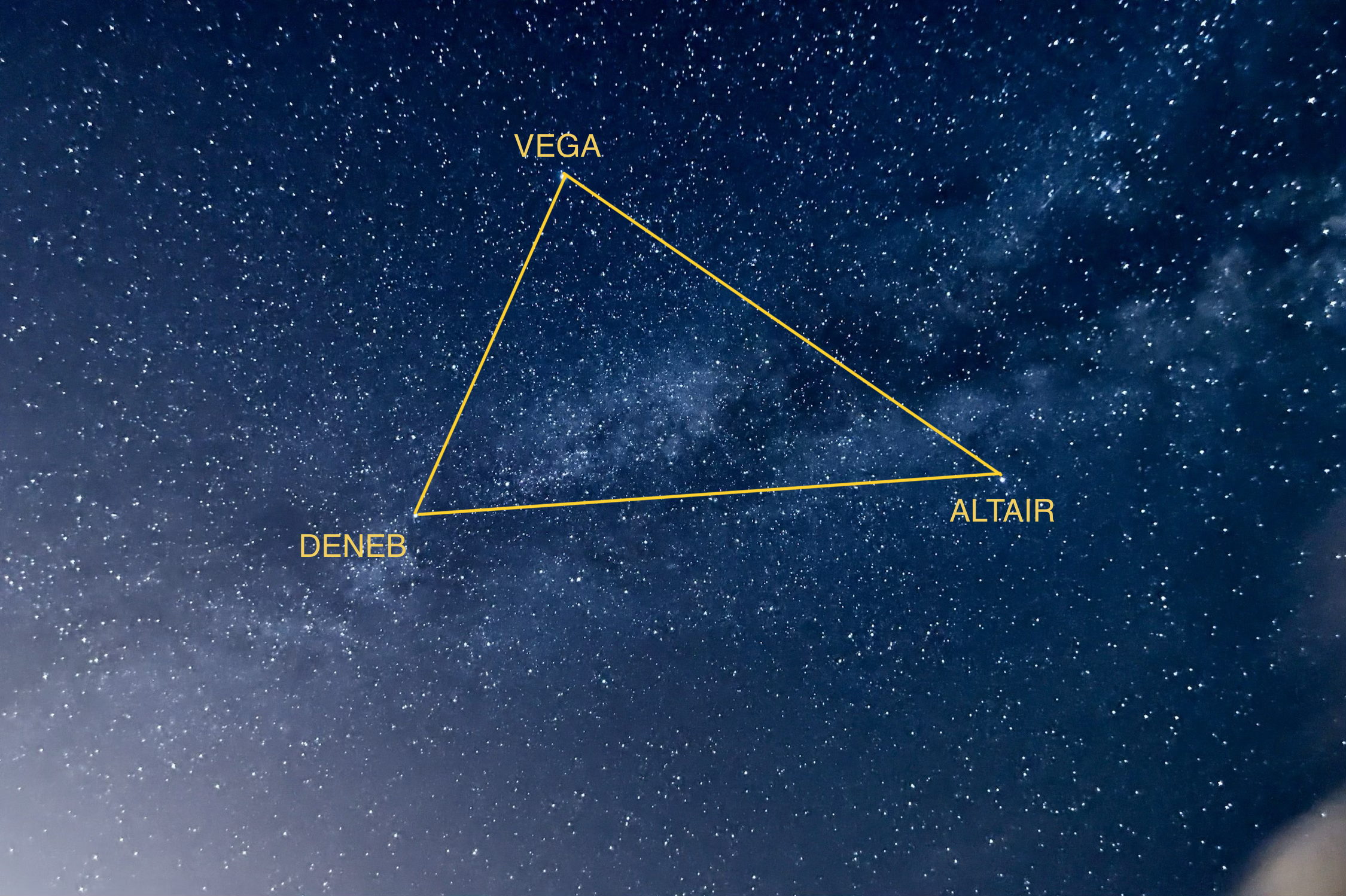
....The Summer Triangle & how to locate it from Fuerteventura .. Presentando el Triángulo de Verano y cómo localizarlo desde Fuerteventura ....

….The Summer Triangle is formed by three dazzling stars, each belonging to a different constellation and each remarkable in its own right. Although the triangle itself isn't an official constellation, astronomers classify it as an asterism, a recognisable pattern of stars, it is one of the most useful landmarks in the summer sky. Think of it as a celestial roadmap: once you've found its three bright anchor points, exploring the rest of the night sky becomes a little easier. It's the perfect place to begin your journey under the summer stars. 

..

El Triángulo de Verano está formado por tres estrellas deslumbrantes, cada una perteneciente a una constelación diferente y destacable por derecho propio. Aunque el triángulo en sí no es una constelación oficial, los astrónomos lo clasifican como un asterismo (un patrón reconocible de estrellas) y es uno de los puntos de referencia más útiles del cielo nocturno estival. Piensa en él como un mapa de carreteras celestial: una vez que hayas localizado sus tres puntos de anclaje brillantes, explorar el resto del cielo nocturno resulta un poco más fácil. Es el lugar perfecto para comenzar tu viaje bajo las estrellas del verano. ….

Photo: Karen Moore (Lead Star Guide)

….Fuerteventura is positioned close to the equator, so the Summer Triangle behaves a bit differently here than it does in mainland Europe. It climbs incredibly high, eventually sitting directly overhead by midnight. It is also one of the easiest ways for beginners to find the Milky Way. Under Fuerteventura’s dark skies, the galaxy’s glowing river of stars stretches across the Summer Triangle, offering a spectacular introduction to our home galaxy. 

Here is how to find the Summer Triangle from the beaches, dunes, and volcanic viewpoints of Fuerteventura right now:

..

Fuerteventura está situada cerca del ecuador, por lo que el Triángulo de Verano se comporta de manera un poco diferente aquí que en la Europa continental. Asciende a una altura increíble, llegando a situarse directamente sobre la cabeza a medianoche. Además, es una de las formas más sencillas para que los principiantes encuentren la Vía Láctea. Bajo los cielos oscuros de Fuerteventura, el río brillante de estrellas de la galaxia se extiende a través del Triángulo de Verano, ofreciendo una introducción espectacular a nuestra galaxia.

Aquí te explicamos cómo encontrar el Triángulo de Verano desde las playas, dunas y miradores volcánicos de Fuerteventura en este momento:

….

….Meet the Three Cosmic Anchors.. Conoce las tres anclas cósmicas ….

….The triangle is made up of three incredibly bright stars, visible even under the glare of the Full Moon. .. El triángulo está formado por tres estrellas increíblemente brillantes, visibles incluso bajo el resplandor de la Luna Llena. ….

….First up is Vega, which forms the highest and brightest point of the trio. Located in the small constellation of Lyra (the Harp), Vega is the fifth-brightest star in the entire night sky. It shines with a brilliant, unmistakable bright white tint that makes it incredibly easy to pick out. .. En primer lugar está Vega, que forma el punto más alto y brillante del trío. Situada en la pequeña constelación de Lira (el Arpa), Vega es la quinta estrella más brillante de todo el cielo nocturno. Brilla con un tinte blanco brillante e inconfundible que la hace increíblemente fácil de distinguir.

….

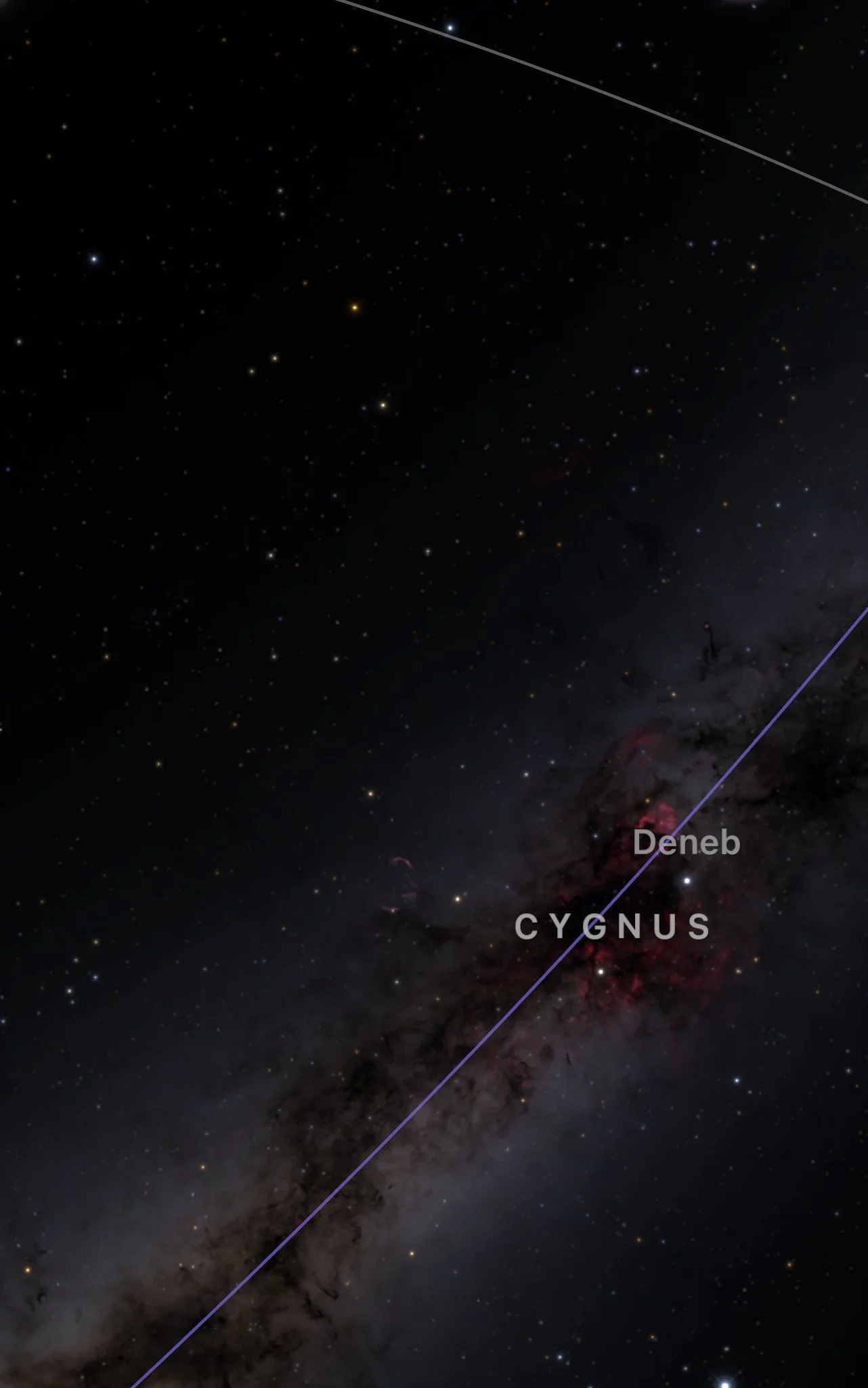
….To the lower left of Vega, you will find Deneb, marking the tail of Cygnus (the Swan). Deneb is a mind-boggling white supergiant star. Even though it looks roughly as bright as the other two stars to our naked eyes, it is actually located over 1600 light-years away from us. It is so massive that it’s light easily pierces across the depths of time to shine bright over the summer nights. .. Abajo a la izquierda de Vega encontrarás a Deneb, que marca la cola de Cisne (el Cisne). Deneb es una estrella supergigante blanca alucinante. Aunque a simple vista parece casi tan brillante como las otras dos estrellas, en realidad se encuentra a más de 1600 años luz de nosotros. Es tan masiva que su luz atraviesa fácilmente las profundidades del tiempo para brillar con fuerza en las noches de verano. ….

….Completing the shape at the bottom right is Altair, the eye of Aquila (the Eagle). In stark contrast to Deneb, Altair is a close neighbour of ours, sitting just 19 light-years away. ..

Completando la forma en la parte inferior derecha está Altair, el ojo de Águila (el Águila). En marcado contraste con Deneb, Altair es una vecina cercana, situada a solo 19 años luz de distancia.

….

….How to Find It from Fuerteventura over Summer months.. Cómo encontrarlo desde Fuerteventura durante los meses de verano ….

….Step 1: Timing is everything .. Paso 1: El momento adecuado lo es todo….

….Head outside after the sky gets fully dark, around 22:30. Walk away from the direct glare of hotel streetlights in places like Corralejo or Caleta de Fuste. .. Sal afuera una vez que el cielo se vuelva completamente oscuro, alrededor de las 22:30. Aléjate del resplandor directo de las farolas de los hoteles en lugares como Corralejo o Caleta de Fuste. ….

….Step 2: Look toward the East..Paso 2: Mira hacia el Este….

….Face east-northeast. Tilt your head up, way up. The first star to catch your eye will be Vega. It is so bright that it easily grabs your attention. .. Oriéntate hacia el este-noreste. Inclina la cabeza hacia arriba, bien arriba. La primera estrella que te llamará la atención será Vega. Es tan brillante que capta tu atención fácilmente. ….

….Step 3: Drop down and left for Deneb ..Paso 3: Baja hacia la izquierda para encontrar a Deneb….

….Look to the lower left of Vega (about the distance of an outstretched hand at arm's length). You will spot Deneb, which marks the tail of Cygnus the Swan, with its open wings, flying through the night sky. .. Mira hacia abajo y a la izquierda de Vega (aproximadamente a la distancia de una mano extendida con el brazo estirado). Localizarás a Deneb, que marca la cola de Cygnus, el Cisne, que vuela por el cielo nocturno con sus alas desplegadas. ….

….Step 4: Complete the shape with Altair..Paso 4: Completa la forma con Altair….

….Look to the lower right of Vega to find Altair. You have now connected the dots to complete the massive celestial triangle. .. Mira hacia abajo y a la derecha de Vega para encontrar a Altair. Ahora has conectado los puntos para completar el enorme triángulo celestial. ….


….The Secret Reward: Tracking the Milky Way..Paso 5: La recompensa secreta: localizar la Vía Láctea….

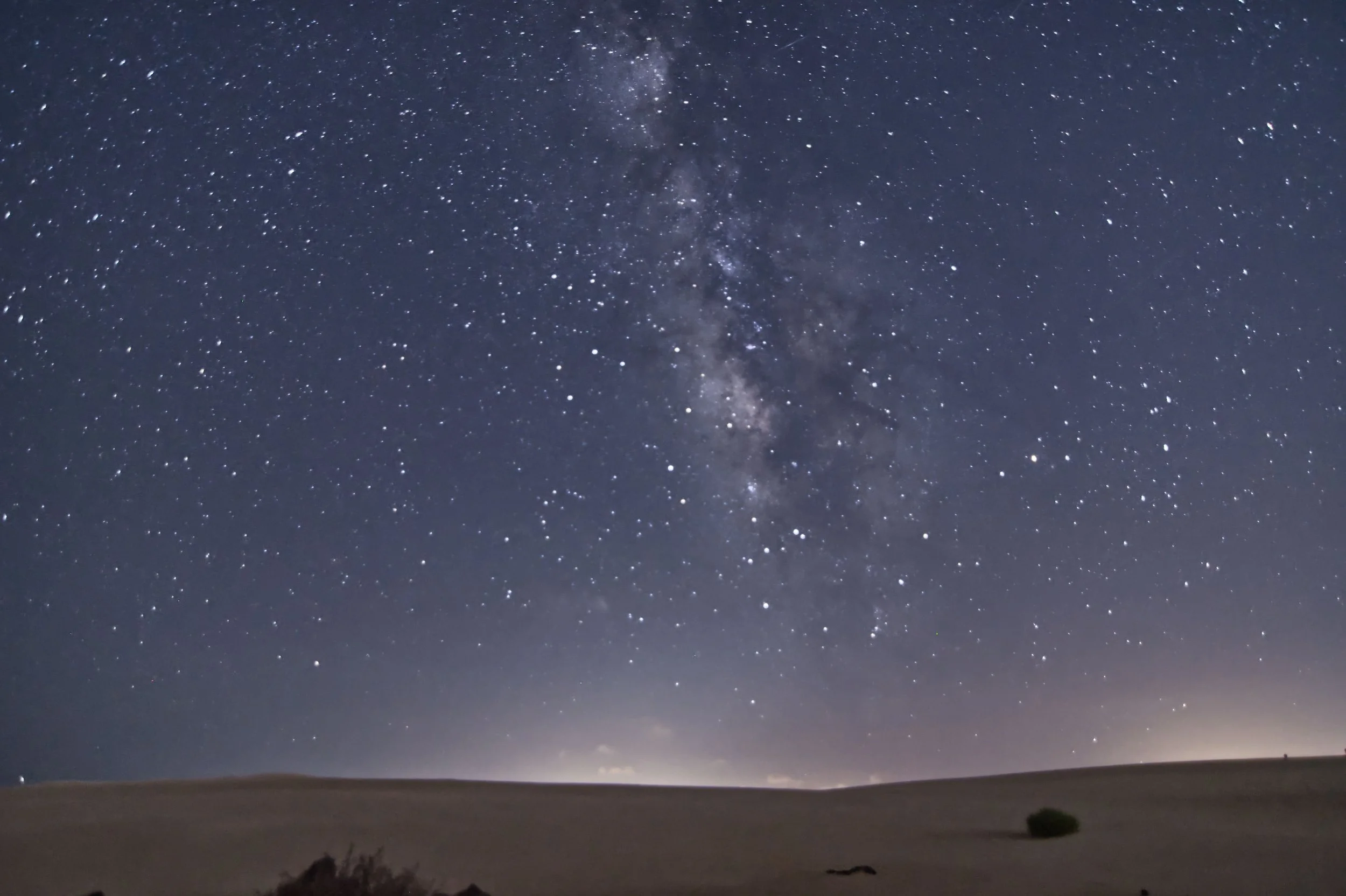
CORRALEJO DUNES & MILKY WAY

….Finding the Summer Triangle is only the beginning. The real reward comes once your eyes have fully adjusted to the darkness, allow around 15 to 20 minutes, and avoid looking at your phone or any other bright light sources. Don’t forget to check the Moon phase, as at even 40% illumination the Milky Way will start to disappear. .. Localizar el Triángulo de Verano es solo el comienzo. La verdadera recompensa llega una vez que tus ojos se han adaptado por completo a la oscuridad,deja pasar entre 15 y 20 minutos, y evitas mirar el teléfono o cualquier otra fuente de luz intensa. No olvides consultar la fase lunar, ya que, con tan solo un 40 % de iluminación, la Vía Láctea empezará a desaparecer. ….

….From one of Fuerteventura's dark-sky locations, you'll soon notice a soft, misty band of light stretching across the night sky and passing directly through the triangle. This is the Milky Way, the combined light of billions of distant stars within our home galaxy.  .. Desde una de las ubicaciones con cielos oscuros de Fuerteventura, pronto notarás una franja de luz suave y brumosa que se extiende a través del cielo nocturno y pasa directamente por el triángulo. Se trata de la Vía Láctea, la luz combinada de miles de millones de estrellas distantes dentro de nuestra propia galaxia. ….

Deneb lies almost directly within this glowing river of stars, while Vega and Altair sit on either side, making the Summer Triangle a perfect signpost for tracing the Milky Way across the sky. .. Deneb se encuentra casi directamente dentro de este río brillante de estrellas, mientras que Vega y Altair se sitúan a ambos lados, lo que convierte al Triángulo de Verano en una señal perfecta para rastrear la Vía Láctea a lo largo del cielo. ….

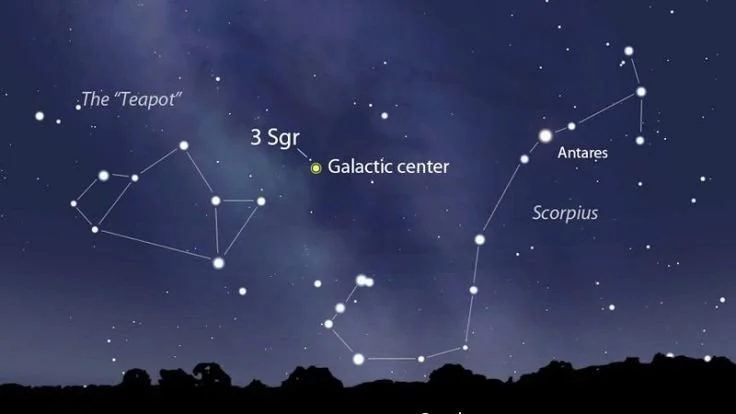
THE TEAPOT AND SCORPIUS.

photo: EARTHSKY.ORG

….Follow this celestial river towards the southern horizon and you'll eventually reach two of summer's most recognisable constellations: Sagittarius and Scorpius. Sagittarius is famous for the distinctive outline of its brightest stars, which resemble a teapot, while Scorpius is instantly recognisable by its long, curved tail and the brilliant red star Antares, marking the scorpion's heart. .. Sigue este río celestial hacia el horizonte sur y eventualmente llegarás a dos de las constelaciones más reconocibles del verano: Sagitario y Escorpio. Sagitario es famosa por el contorno distintivo de sus estrellas más brillantes, que se asemejan a una tetera, mientras que Escorpio es reconocible al instante por su larga cola curvada y la brillante estrella roja Antares, que marca el corazón del escorpión. ….

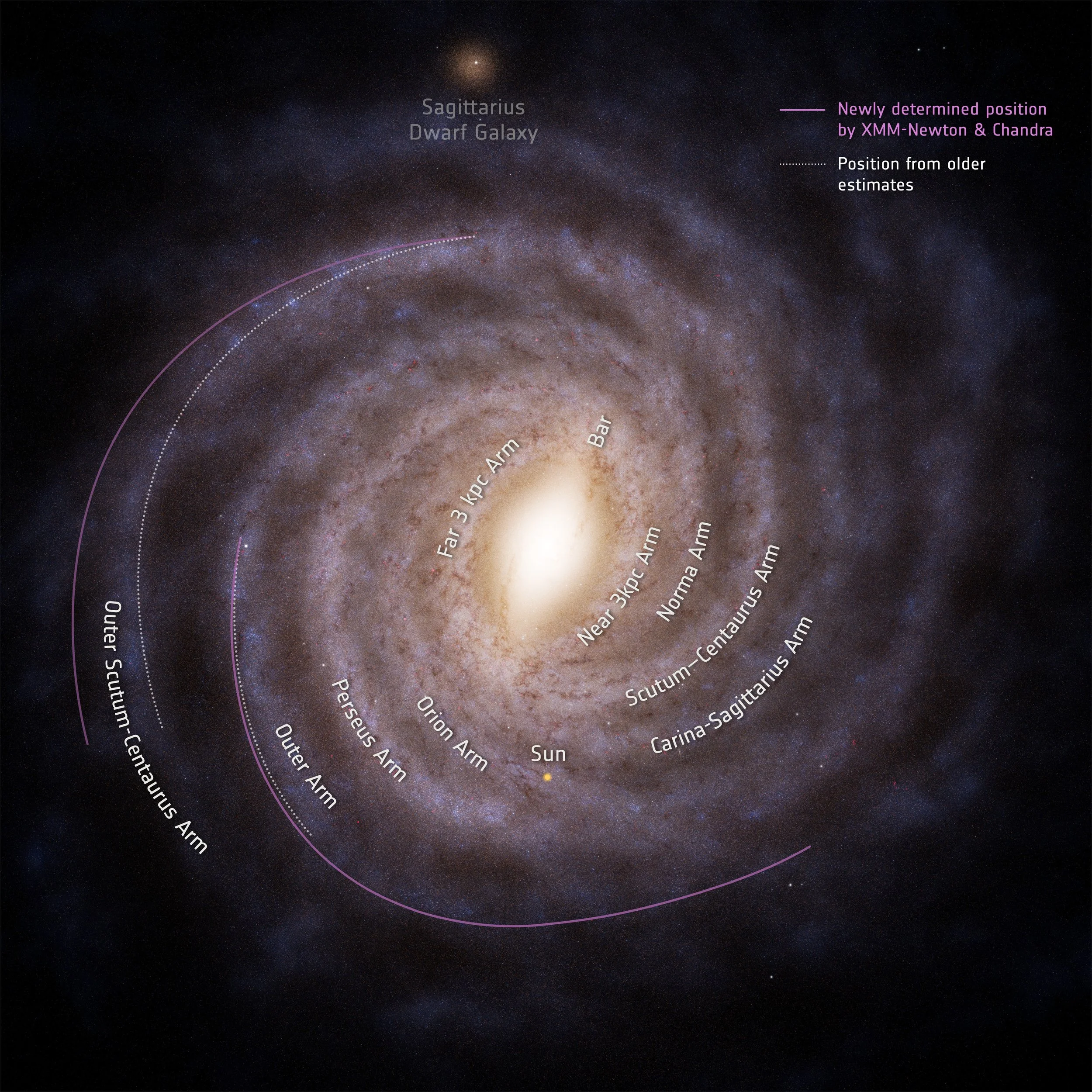
MILY WAY´S OUTER ARMS

Photo: IFScience.com

….This is where the Milky Way is at its most spectacular. Looking towards Sagittarius, you're gazing into the direction of the galactic centre, where the star clouds become brighter, denser and richer than anywhere else in the night sky. Here, the Milky Way glows with exceptional brilliance as countless stars, nebulae and dark dust lanes merge into one breathtaking panorama. We believe that our Galaxy is spiral in shape, with up to 6 arms. Earth is located in the Orion Arm and we have the Perseus Arm passing through the Summer Triangle and the Sagittarius Arm passing from the tail of the Scorpion over Sagittarius. 

The Summer Triangle is far more than a simple pattern of stars. It is a reliable guide that opens the door to exploring our galaxy and a reminder that you don't need expensive equipment to enjoy the wonders of the universe. Under Fuerteventura's exceptionally dark skies, three bright stars are all it takes to begin an unforgettable journey through the cosmos.

So, the next time you find yourself beneath the Majorero sky, look up, find the Summer Triangle, and let it guide you across the Milky Way. Happy stargazing!

..

Aquí es donde la Vía Láctea se muestra en todo su esplendor. Al mirar hacia Sagitario, estás contemplando la dirección del centro galáctico, donde las nubes de estrellas se vuelven más brillantes, densas y ricas que en cualquier otra parte del cielo nocturno. Aquí, la Vía Láctea brilla con un esplendor excepcional a medida que innumerables estrellas, nebulosas y franjas de polvo oscuro se funden en un panorama impresionante. Se cree que nuestra galaxia tiene forma de espiral, con hasta seis brazos. La Tierra está ubicada en el Brazo de Orión, mientras que el Brazo de Perseo pasa a través del Triángulo de Verano y el Brazo de Sagitario se extiende desde la cola del Escorpión sobre Sagitario.

El Triángulo de Verano es mucho más que un simple patrón de estrellas. Es una guía fiable que abre las puertas a la exploración de nuestra galaxia y un recordatorio de que no se necesita un equipo costoso para disfrutar de las maravillas del universo. Bajo los cielos excepcionalmente oscuros de Fuerteventura, tres estrellas brillantes son todo lo que hace falta para comenzar un viaje inolvidable a través del cosmos.

Así que, la próxima vez que te encuentres bajo el cielo majorero, mira hacia arriba, busca el Triángulo de Verano y deja que te guíe a través de la Vía Láctea. ¡Feliz observación de las estrellas!

….

ENG
ESP