star

....Sustainability: The Word of the moment but what does it mean to You? .. Sostenibilidad: la palabra de moda, pero ¿qué significa para ti? ....

….Recently I made a very short video talking, about my love for Nature and true sustainability. It came from a place of frustration and was poorly executed, but still a friend understood what I was trying to articulate. His response filled me with so much hope and love that I wanted to share it with you all. To inspire us all to think about what sustainability actually means. HIs words resonated with me. I agree, with all but one point, but that is ok. The point that I was trying to make with my video was to encourage people to think for themselves what sustainability means to them. Thank you Carlos for taking the time to share your thoughts. .. Hace poco grabé un vídeo muy breve en el que hablaba de mi amor por la naturaleza y la verdadera sostenibilidad. Lo hice movido por la frustración y no lo hice muy bien, pero aun así un amigo entendió lo que intentaba expresar. Su respuesta me llenó de tanta esperanza y cariño que quería compartirla con todos vosotros. Para inspirarnos a todos a reflexionar sobre lo que realmente significa la sostenibilidad. Sus palabras me llegaron al alma. Estoy de acuerdo con todo menos con un punto, pero no pasa nada. Lo que intentaba transmitir con mi vídeo era animar a la gente a pensar por sí misma qué significa la sostenibilidad para cada uno. Gracias, Carlos, por tomarte el tiempo de compartir tus reflexiones. ….

…. TO ACHIEVE A SUSTAINABLE SOCIO-ECONOMIC SYSTEM:

We need a shift in consciousness based on LOVE, EMPATHY and RESPECT for human beings, amongst ourselves and towards all other living beings with whom we share the limited space of our small planet Earth.

To achieve this, we must free ourselves from the control of the insatiable EGO, which governs and has governed the general behaviour and destiny of our human species since its inception, being the root of all conflicts, wars, suffering and unhappiness. In fact, the ego lies at the heart of the socio-economic system that currently prevails, based on fierce COMPETITION which, all too often, ignores and violates the most basic rules of ethics and morality.

The alternative to competition (where gain for some implies loss for others) is COOPERATION, where everyone works together, helping one another to achieve a common goal.

Achieving the eradication of the EGO in the world, or at least keeping it in check, may seem like a utopian dream, but I believe it is possible, even if it is by no means an easy task, as it involves changing something that is deeply ingrained in today’s society. To achieve this, it would be necessary to implement an education system based on a scale of values and priorities that is motivating and facilitates the awakening of people’s consciousness.

Having addressed the above, to ensure that a socio-economic system is self-sustaining, I would highlight the following specific actions, amongst others:

• Diversify productive activities within each region, across all sectors, to avoid as far as possible a reliance on products imported from distant regions; thereby moving ever closer to the ideal of a self-sufficient system.

• Regulate the management of the region’s resources, respecting natural cycles and maintaining biodiversity within a balanced and self-sustaining ecosystem.

• Limit population growth so that it remains within limits proportional to available resources.

• Manufacture products of the highest possible quality, selecting the most suitable materials for each application, with the aim of extending their useful life as much as possible. (One of the measures that should be taken in this regard is the development of legislation penalising ‘planned obsolescence’).

• When designing a product, ensure that the assembly and disassembly of its components are simplified to facilitate maintenance, repair and recycling at the end of its useful life.

• Optimise energy production and use, striving to utilise non-polluting renewable sources and avoiding unnecessary waste (avoiding the use of fossil fuels that emit toxic and greenhouse gases, using more efficient and environmentally friendly lighting, improving the thermal insulation of homes, etc.).

• Optimise the means of transport for people and goods, improving their efficiency and availability; promoting the use of public transport and thereby reducing the need for private vehicles.

However, big business and the enormous power of large multinational corporations depend on our consciousness remaining dormant and controlled by the ego; so, with the support of many leaders, they will continue to use all their resources to prevent us from waking up, as that would spell their end.

Our hope lies in the fact that the group of people who have already begun to wake up is growing ever larger.

In any case, sooner or later the system will collapse, as it is unsustainable; then that collapse and the ensuing severe crisis will make the awakening of consciousness inevitable.

Carlos Vera Hernández, Lajares, 4 June 2026

..

PARA LOGRAR UN SISTEMA SOCIO-ECONÓMICO SOSTENIBLE:

      Necesitamos un cambio de conciencia basado en el AMOR, la EMPATÍA y el RESPETO de los seres humanos, entre cada uno de nosotros y hacia el resto de los seres vivos con quienes compartimos el limitado espacio de nuestro pequeño planeta Tierra.

      Para llegar a eso, tenemos que liberarnos del control del insaciable EGO, que es quién rige y ha regido el comportamiento general y el destino de nuestra especie humana desde sus inicios, siendo la raíz de todos los conflictos, guerras, sufrimiento e infelicidad. De hecho, el ego está en la base del sistema socio-económico que rige en la actualidad, basado en una COMPETICIÓN feroz que, con demasiada frecuencia, ignora y vulnera las reglas más elementales de la ética y la moral.

      La alternativa a la competición (donde la ganancia para unos implica la pérdida para otros) es la COOPERACIÓN, donde todos colaboran ayudándose unos a otros para lograr un mismo fin.

      Conseguir acabar con el EGO en el mundo, o al menos mantenerlo a raya, puede parecer una utopía, pero yo creo que es posible aunque no sea una tarea nada fácil, ya que supone cambiar algo que está muy arraigado en la sociedad actual. Para ello sería necesario implantar un sistema educativo basado en una escala de valores y prioridades que sea motivadora y facilite el despertar de la conciencia en las personas.

      Una vez superado lo antes citado, para lograr que un sistema socio-económico sea autosostenible yo destacaría, entre otras, las siguientes acciones concretas:      

    • Diversificar las actividades productivas en cada territorio, en todos los sectores, para evitar en lo posible la dependencia de productos importados desde otros territorios lejanos; acercándonos así, cada vez más, al ideal de un sistema autosuficiente.

    • Regular la gestión sobre el uso de los recursos de la región, respetando los ciclos naturales y el mantenimiento de la biodiversidad dentro de un ecosistema equilibrado y autosostenible.

    • Limitar el crecimiento de la población de modo que se mantenga dentro de unos límites proporcionales a los recursos disponibles.

    • Fabricar productos de la máxima calidad posible, eligiendo los materiales más adecuados para cada uso, con el objetivo de alargar en todo lo posible la vida útil de los mismos.

      (Una de las medidas que deberían tomarse al respecto es el desarrollo de una legislación que penalice la “obsolescencia programada”).

    • Al diseñar un producto, procurar hacerlo teniendo en cuenta la simplificación de los pasos de montaje y desmontaje de los componentes del mismo, para facilitar las tareas de mantenimiento, reparación y también del reciclaje al final de su vida útil.

    • Optimizar la producción y el uso de la energía, procurando utilizar fuentes renovables no contaminantes y evitando el desperdicio innecesario de la misma (evitar el uso de combustibles fósiles que emiten gases tóxicos y de efecto invernadero, usar un alumbrado más eficiente y respetuoso con el medio ambiente, mejorar el aislamiento térmico de las viviendas, etc.).

    • Optimizar los medios de transporte de personas y de mercancías, mejorando la eficiencia y disponibilidad de los mismos; promocionando el uso del transporte público y reduciendo así la necesidad de los vehículos privados      

Pero, el gran negocio y el enorme poder de las grandes empresas multinacionales, depende de que nuestra conciencia siga dormida y controlada por el ego, así que, con el apoyo de muchos gobernantes, van a seguir empleando todos sus recursos para evitar que despertemos, ya que eso sería su fin.

Nuestra esperanza está en que el grupo de personas que ya hemos empezado a despertar cada vez va siendo mayor.

De todas formas, tarde o temprano el sistema va a colapsar, ya que es insostenible; entonces ese desplome y la grave crisis consiguiente hará que el despertar de la conciencia sea inevitable 😜😃

        Carlos Vera Hernández, Lajares, 04 de junio de 2026. ….

….what does sunstainability mean to you? We would love to hear your feedback below..¿Qué significa para ti la sunstainability? Nos encantaría conocer tu opinión en los comentarios a continuación. ….

....10 Constellations Every Beginner Stargazer Should Know..10 constelaciones que todo astrónomo aficionado principiante debería conocer....

….

The night sky can feel like an overwhelming canvas of countless stars. But all you really need to get started is a clear night! With 88 official constellations filling the heavens, where should you begin? Here are 10 essential constellations every beginner should learn. These star patterns are bright, easy to find, and serve as cosmic signposts to discovering planets, deep-sky objects, and even other constellations.

..

El cielo nocturno puede parecer un lienzo abrumador de innumerables estrellas. ¡Pero lo único que necesitas para empezar es una noche despejada! Con 88 constelaciones oficiales que llenan el firmamento, ¿por dónde deberías empezar? Aquí tienes 10 constelaciones imprescindibles que todo principiante debería aprender. Estas figuras estelares son brillantes, fáciles de localizar y sirven como puntos de referencia cósmicos para descubrir planetas, objetos del cielo profundo e incluso otras constelaciones.

….

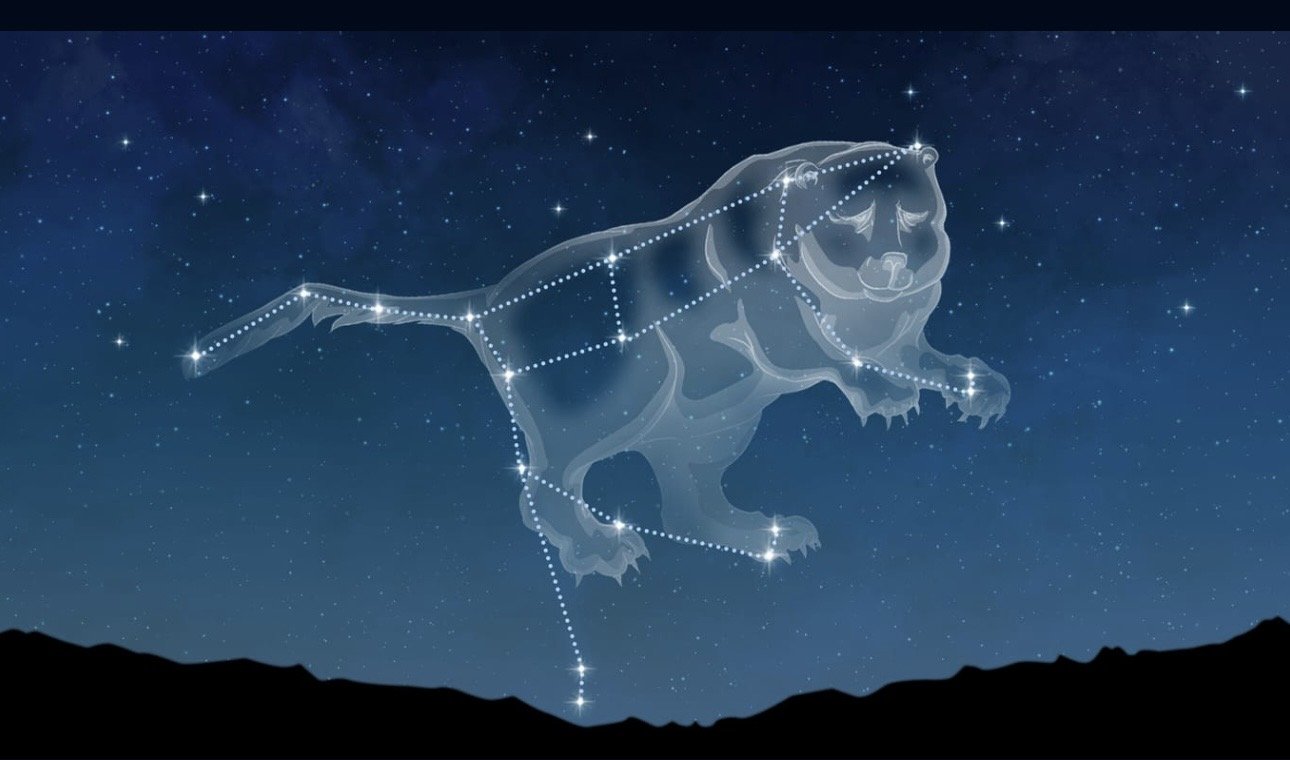
URSA MAJOR

(images curtesy of Sky Tonight App)

….1.Ursa Major (The Great Bear).. 1. La Osa Mayor (La Gran Osa)….

  • ….Best Seen: Year-round (Northern Hemisphere) .. La mejor época para visitarlo: todo el año (hemisferio norte) …..

  • ….Key Feature: The Big Dipper (an asterism within the larger constellation)..Característica destacada: La Osa Mayor (un asterismo dentro de la constelación más amplia)….

  • ….Deep-Sky Targets: M101 (Pinwheel Galaxy) and M81/M82 galaxies..Objetos del cielo profundo: M101 (Galaxia del Molinete) y las galaxias M81/M82….

….Often the first pattern many people learn, the Big Dipper isn't technically a constellation itself, but rather an asterism (a recognizable pattern of stars) within Ursa Major. Its seven bright stars form a distinctive ladle shape that ancient cultures associated with a bear. .. La Osa Mayor, que suele ser la primera constelación que aprenden muchas personas, no es técnicamente una constelación en sí misma, sino más bien un asterismo (una formación reconocible de estrellas) dentro de la constelación de la Osa Mayor. Sus siete estrellas brillantes forman una característica forma de cucharón que las culturas antiguas asociaban con un oso. ….

….Why it's important: It is your ultimate cosmic compass. The two stars at the end of the Dipper's "bowl" (Dubhe and Merak) act as pointer stars. Draw an imaginary line through them and extend it about five times the distance between them, and you'll land right on Polaris, the North Star. .. Por qué es importante: Es tu brújula cósmica definitiva. Las dos estrellas situadas en los extremos del «cuenco» de la Osa Mayor (Dubhe y Merak) actúan como estrellas guía. Traza una línea imaginaria que pase por ellas y alárgala hasta alcanzar aproximadamente cinco veces la distancia que hay entre ambas, y llegarás directamente a Polaris, la Estrella Polar. ….

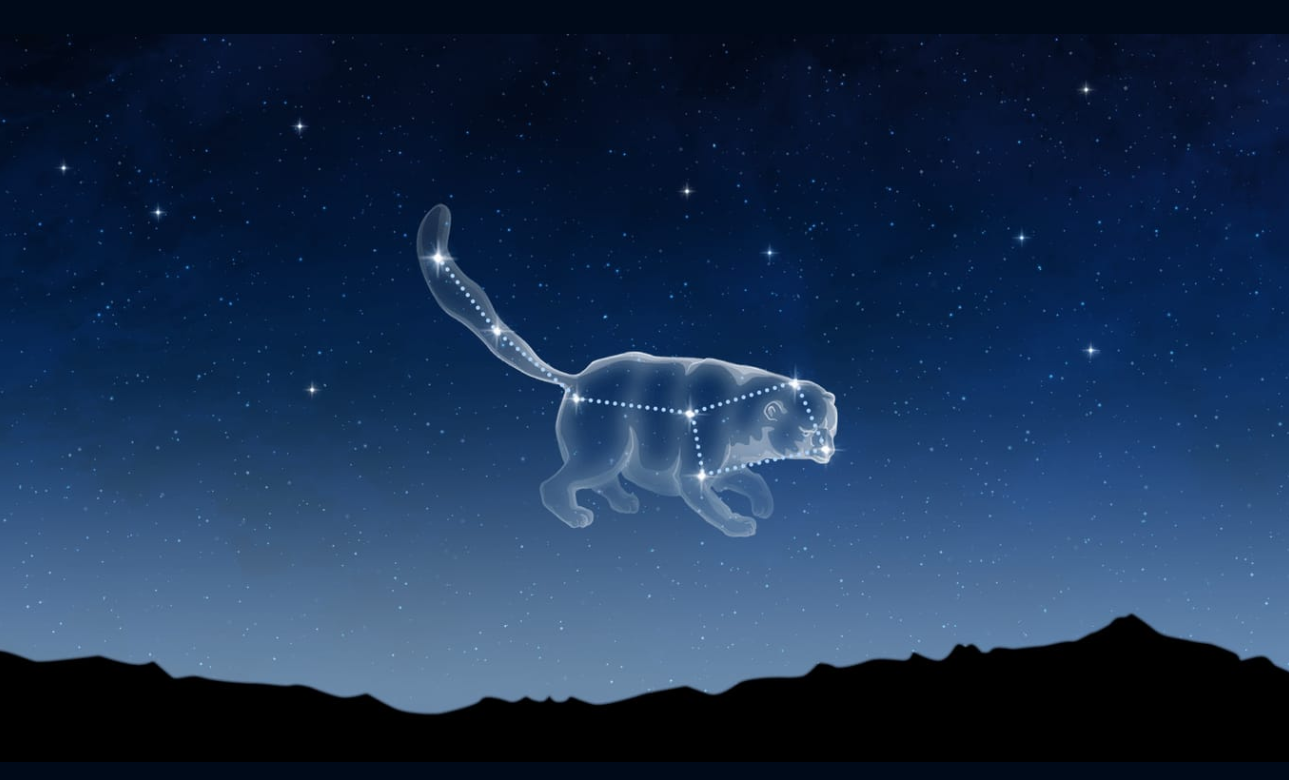
URSA MINOR

….2.Ursa Minor (The Little Bear).. 2.La Osa Menor (La Osa Pequeña)….

  • ….Best Seen: Year-round (Northern Hemisphere).. La mejor época para visitarlo: todo el año (hemisferio norte)….

  • ….Key Feature: The Little Dipper asterism..Característica destacada: el asterismo de la Osa Menor….

  • ….Key Star: Polaris (The North Star)..Estrella destacada: Polaris (la Estrella Polar)….

….The Little Dipper is the smaller, fainter companion to Ursa Major. While its stars are dimmer and can be tough to see in light-polluted cities, it holds the most important star in the northern sky. .. La Osa Menor es la compañera más pequeña y menos brillante de la Osa Mayor. Aunque sus estrellas son más tenues y pueden resultar difíciles de ver en ciudades con contaminación lumínica, alberga la estrella más importante del cielo del norte. ….

….Why it's important: Polaris sits at the very tip of the Little Dipper’s handle. Because it sits directly above Earth's North Pole, it stays fixed in the sky while all other stars appear to rotate around it. Finding it solidifies your navigational skills. .. Por qué es importante: Polaris se encuentra en el extremo del mango de la Osa Menor. Como está situada justo encima del Polo Norte de la Tierra, permanece fija en el cielo, mientras que todas las demás estrellas parecen girar a su alrededor. Encontrarla te ayuda a consolidar tus habilidades de orientación…..

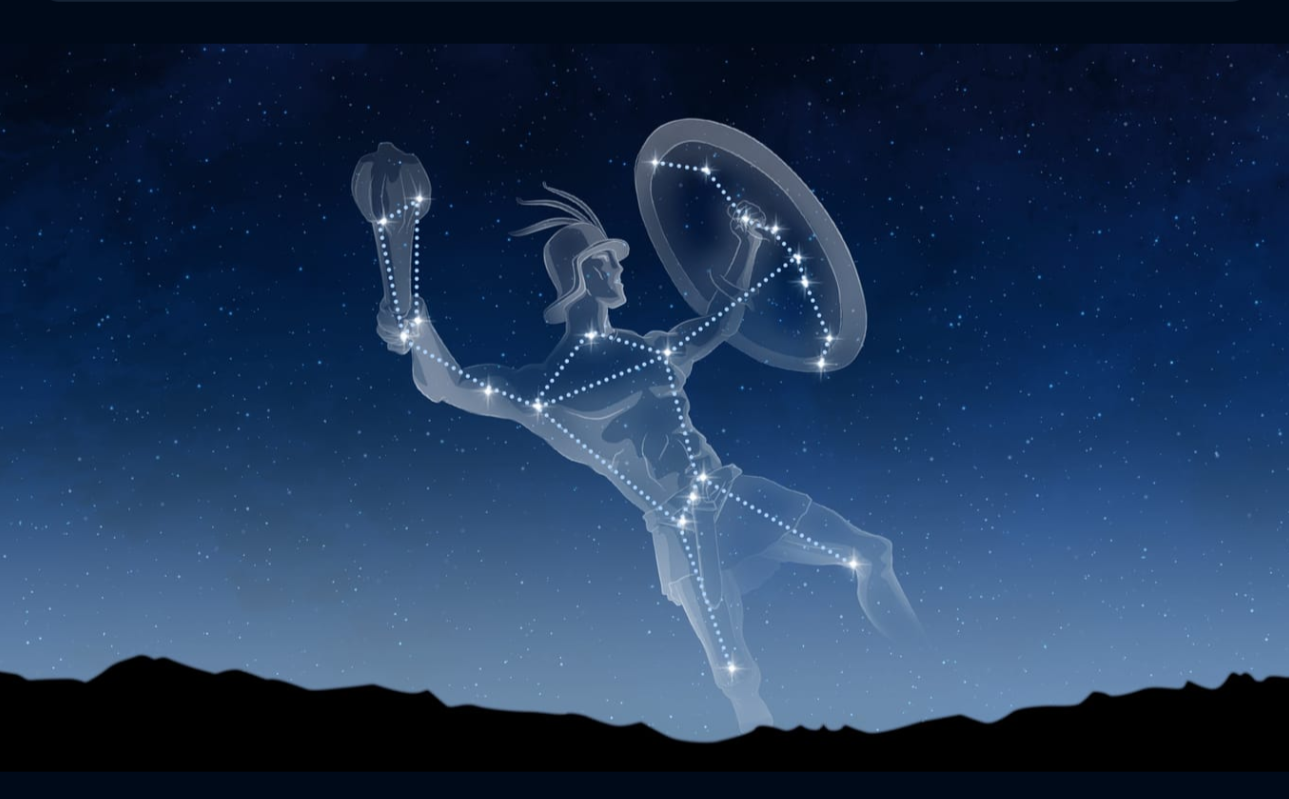
….3.Orion (The Hunter).. 3.Orión (El Cazador)….

ORION

  • ….Best Seen: Winter (Northern Hemisphere) / Summer (Southern Hemisphere)..La mejor época para visitarlo: invierno (hemisferio norte) / verano (hemisferio sur)….

  • ….Key Stars: Betelgeuse (red supergiant) and Rigel (blue supergiant)..Estrellas destacadas: Betelgeuse (supergigante roja) y Rigel (supergigante azul)….

  • ….Deep-Sky Targets: The Orion Nebula (M42)..Objetos del cielo profundo: la Nebulosa de Orión (M42)….

….Orion is arguably the most magnificent and easily recognised constellation in the entire night sky. It is dominated by Orion’s Belt—a perfectly straight line of three bright stars representing the hunter's waist. .. Podría decirse que Orión es la constelación más magnífica y fácilmente reconocible de todo el cielo nocturno. En ella destaca el Cinturón de Orión, una línea perfectamente recta formada por tres estrellas brillantes que representan la cintura del cazador. ….

….Why it's important: Orion is a brilliant display of stellar evolution, contrasting the dying red supergiant Betelgeuse with the young, furious blue supergiant Rigel. Follow the belt downwards, and it points directly to Sirius, the brightest star in the sky. Look just below the belt, and you can see the Orion Nebula, a massive stellar nursery, with the naked eye. .. Por qué es importante: Orión es un magnífico ejemplo de evolución estelar, en el que contrasta la supergigante roja moribunda Betelgeuse con la joven y furiosa supergigante azul Rigel. Si sigues el cinturón hacia abajo, este apunta directamente a Sirio, la estrella más brillante del cielo. Si miras justo debajo del cinturón, podrás ver a simple vista la Nebulosa de Orión, una enorme cuna estelar. ….

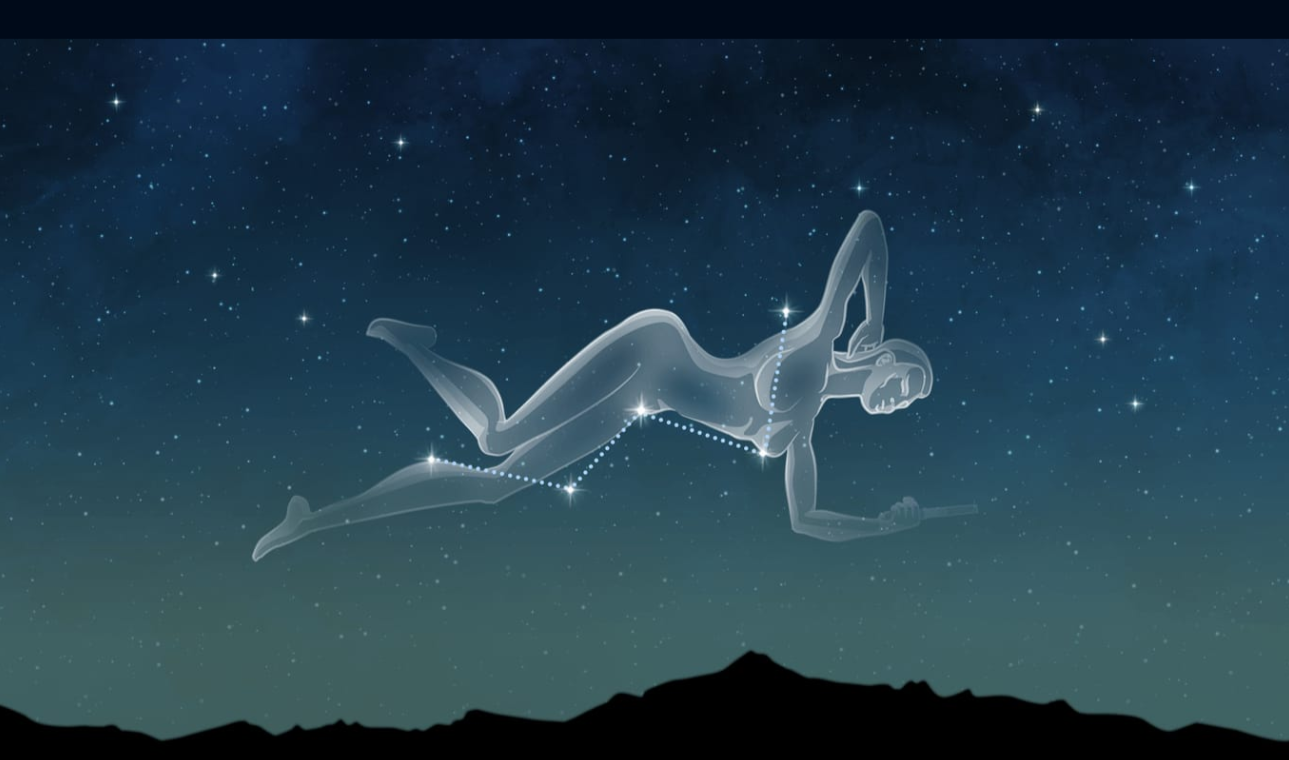
….4.Cassiopeia (The Queen).. 4.Casiopea (La Reina)….

CASSIOPEIA

  • Best Seen: Year-round (Northern Hemisphere)

  • Key Feature: A distinctive "W" or "M" shape

  • Deep-Sky Targets: The Andromeda Galaxy (M31)

Representing a vain queen on her throne, Cassiopeia consists of five bright stars that form a highly recognisable zig-zag shape. It sits directly opposite the Big Dipper, circling Polaris.

Why it's important: When the Big Dipper dips too low toward the horizon, Cassiopeia rises high, making it an excellent alternative guidepost for finding North. Furthermore, its unique shape acts as a cosmic arrow that helps observers locate the Andromeda Galaxy, the nearest major galaxy to our own Milky Way.

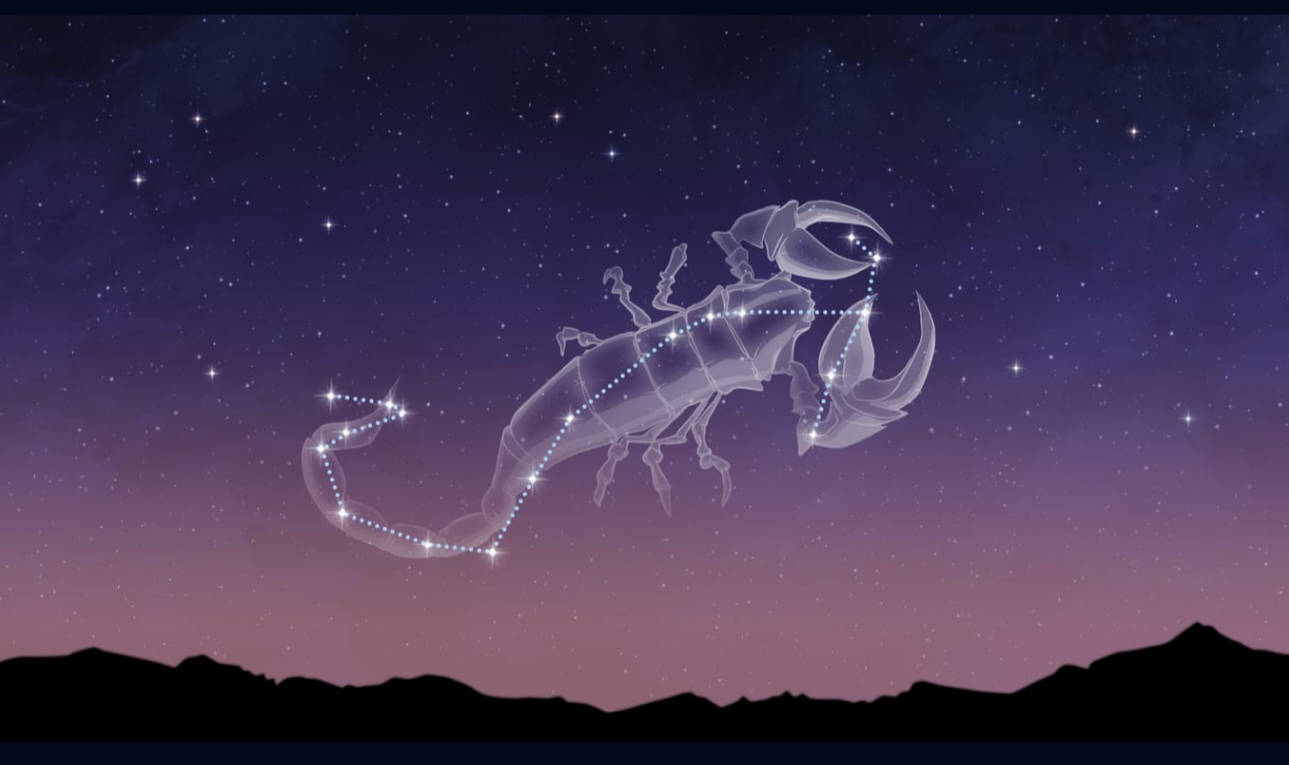
5. Scorpius (The Scorpion)

SCORPIUS

  • Best Seen: Summer (Northern Hemisphere) / Winter (Southern Hemisphere)

  • Key Star: Antares (a red supergiant known as the "Heart of the Scorpion")

  • Deep-Sky Targets: The Ptolemy Cluster (M7) and Butterfly Cluster (M6)

Scorpius is one of the few constellations that actually looks exactly like its namesake. A striking, S-shaped curve of bright stars realistically traces out the body, claws, and curled stinger of a scorpion.

Why it's important: At the center of the scorpion's chest sits Antares, a fiery red supergiant so bright it is often mistaken for the planet Mars. Because Scorpius lies directly in front of the center of the Milky Way, its curved tail acts as a gateway to a dense playground packed with nebulae and star clusters.

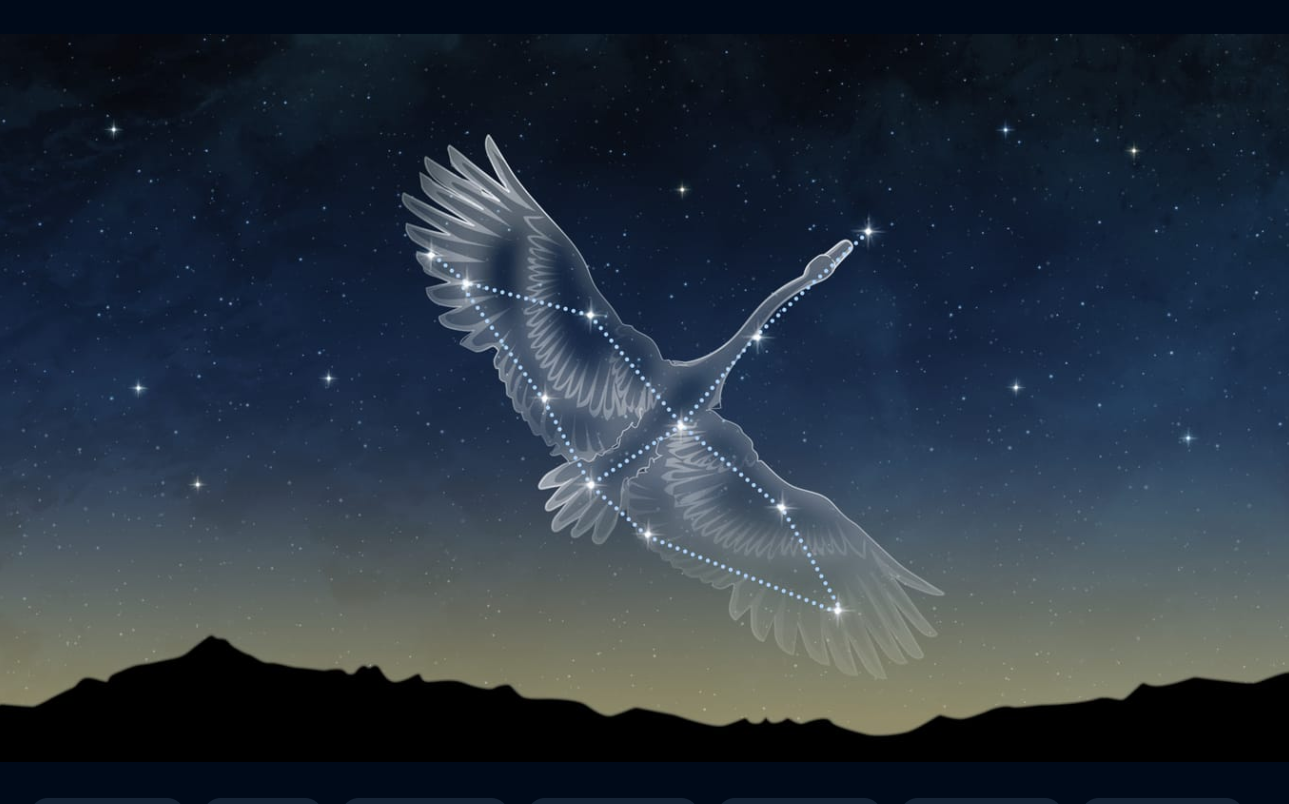
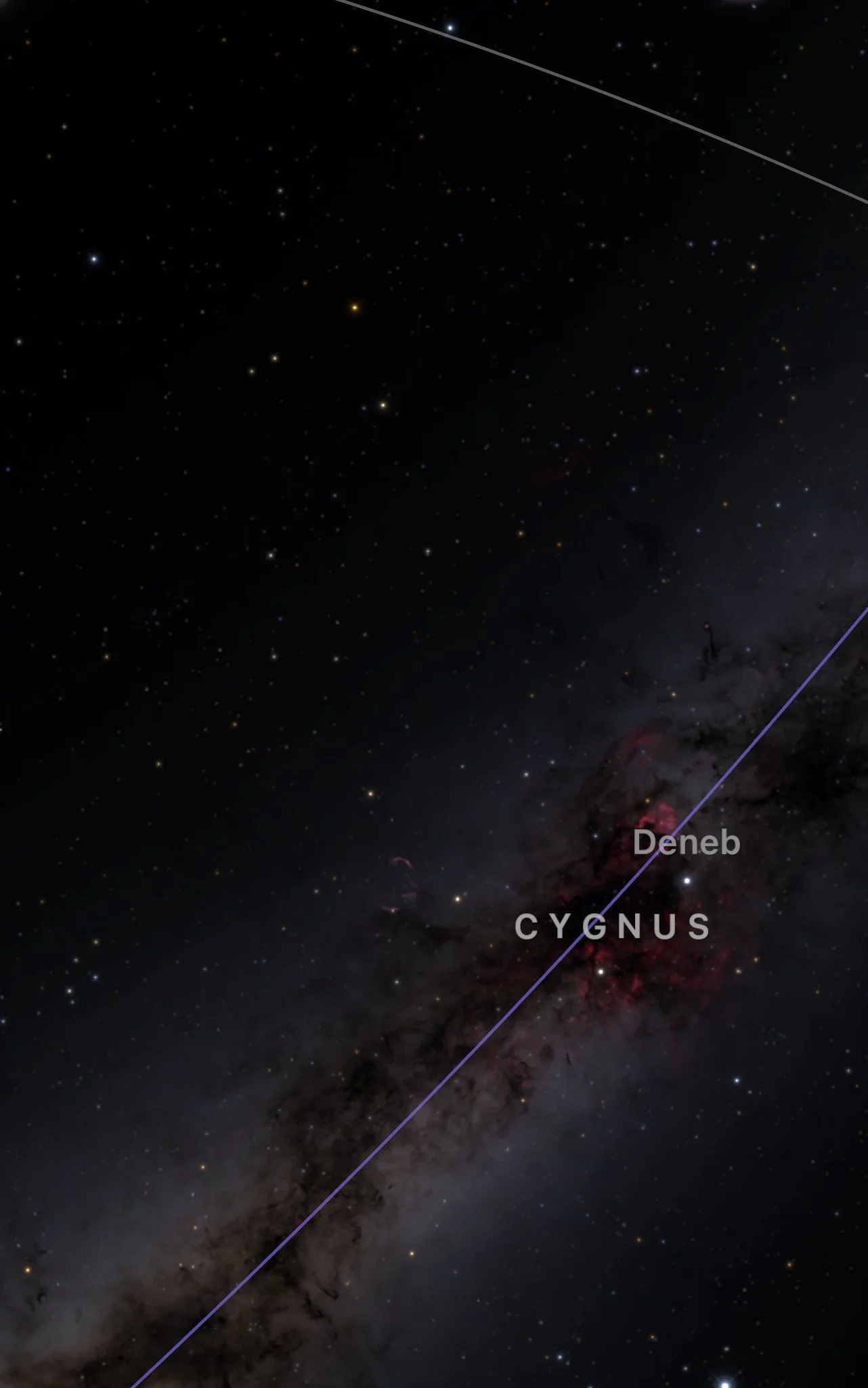
6. Cygnus (The Swan)

CYGNUS

  • Best Seen: Summer and Autumn (Northern Hemisphere)

  • Key Feature: The Northern Cross asterism

  • Key Stars: Deneb (supergiant) and Albireo (double star)

Cygnus flies gracefully down the band of the Milky Way. Its brightest stars form the "Northern Cross," a geometric shape where the long vertical axis traces out the elegant neck of a flying swan. Deneb marks the swan's tail, while Albireo marks its beak.

Why it's important: Cygnus acts as a giant window into the structure of our own galaxy. Through binoculars, Albireo splits into a stunning double star of contrasting sapphire-blue and gold. Cygnus also famously houses Cygnus X-1, the very first confirmed black hole ever discovered.

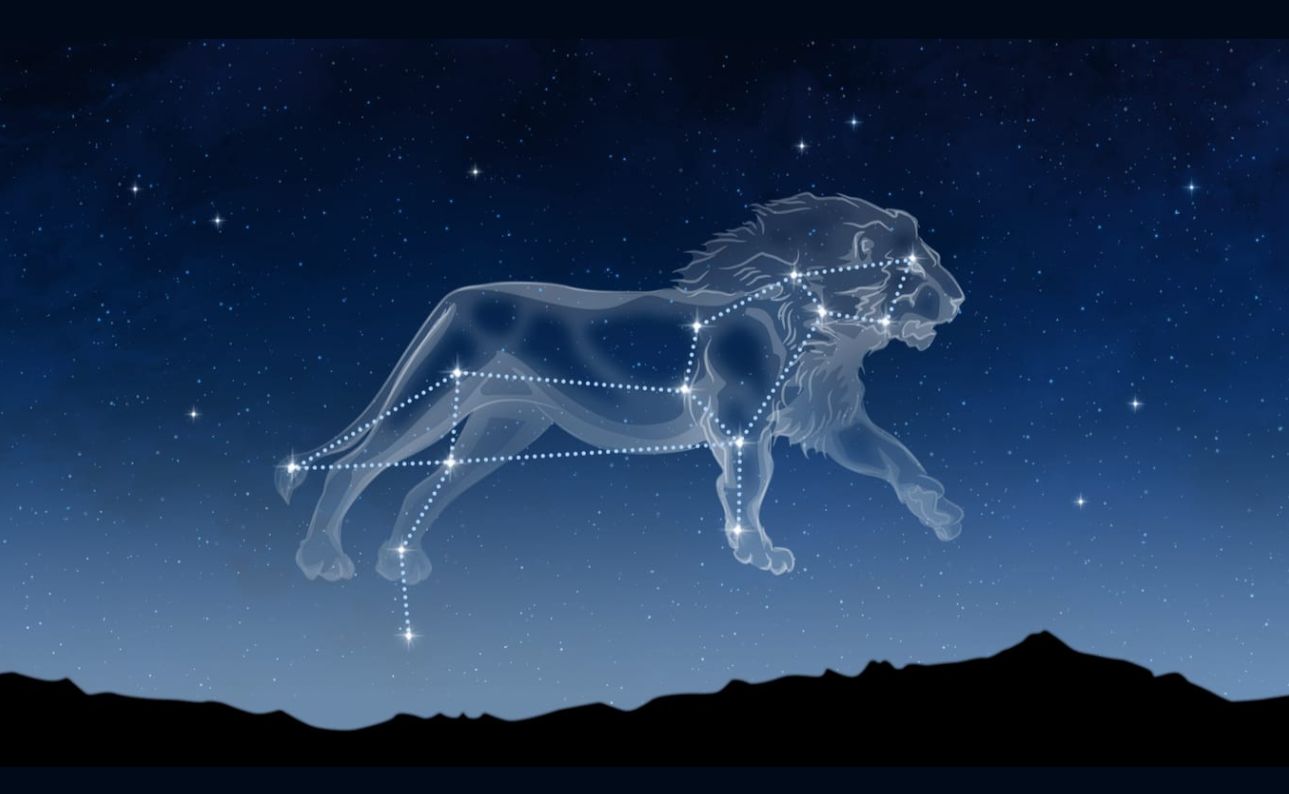
7. Leo (The Lion)

LEO

  • Best Seen: Spring (Northern Hemisphere)

  • Key Feature: The "Sickle" asterism (resembling a backward question mark)

  • Key Star: Regulus (the lion's heart)

East of Cancer lies Leo, a prominent zodiac constellation that actually resembles a crouching lion. The lion's head and mane are formed by a distinctive backward question mark pattern called "The Sickle."

Why it's important: Regulus, Leo's brightest star, was heavily relied upon by ancient navigators. For modern stargazers, Leo serves as a fantastic landmark in the spring sky and acts as the perfect guidepost for locating the "Leo Triplet"—a beautiful trio of interacting galaxies visible through binoculars or small telescopes.

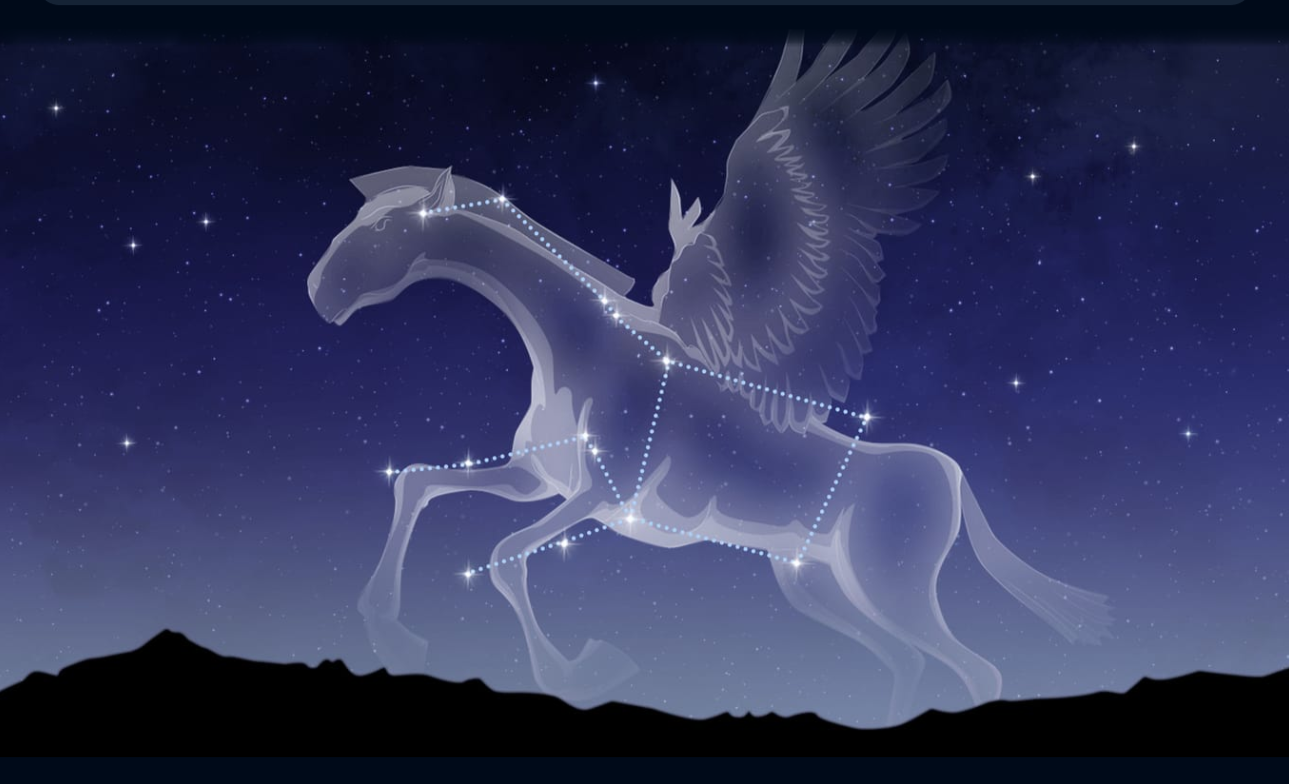
8. Pegasus (The Winged Horse)

PEGASUS

  • Best Seen: Autumn (Northern Hemisphere)

  • Key Feature: The Great Square of Pegasus

  • Deep-Sky Targets: M15 (a dense globular star cluster)

Dominating the autumn evening sky, Pegasus is representing the mythical winged horse. Stargazers should look for the "Great Square," a massive, distinct four-star pattern that forms the main body of the horse.

Why it's important: Pegasus is a fundamental navigational gateway to the autumn sky, helping you locate neighboring constellations like Andromeda and Pisces. Historically, it is also famous for housing 51 Pegasi, the very first sun-like star discovered to host an orbiting exoplanet.

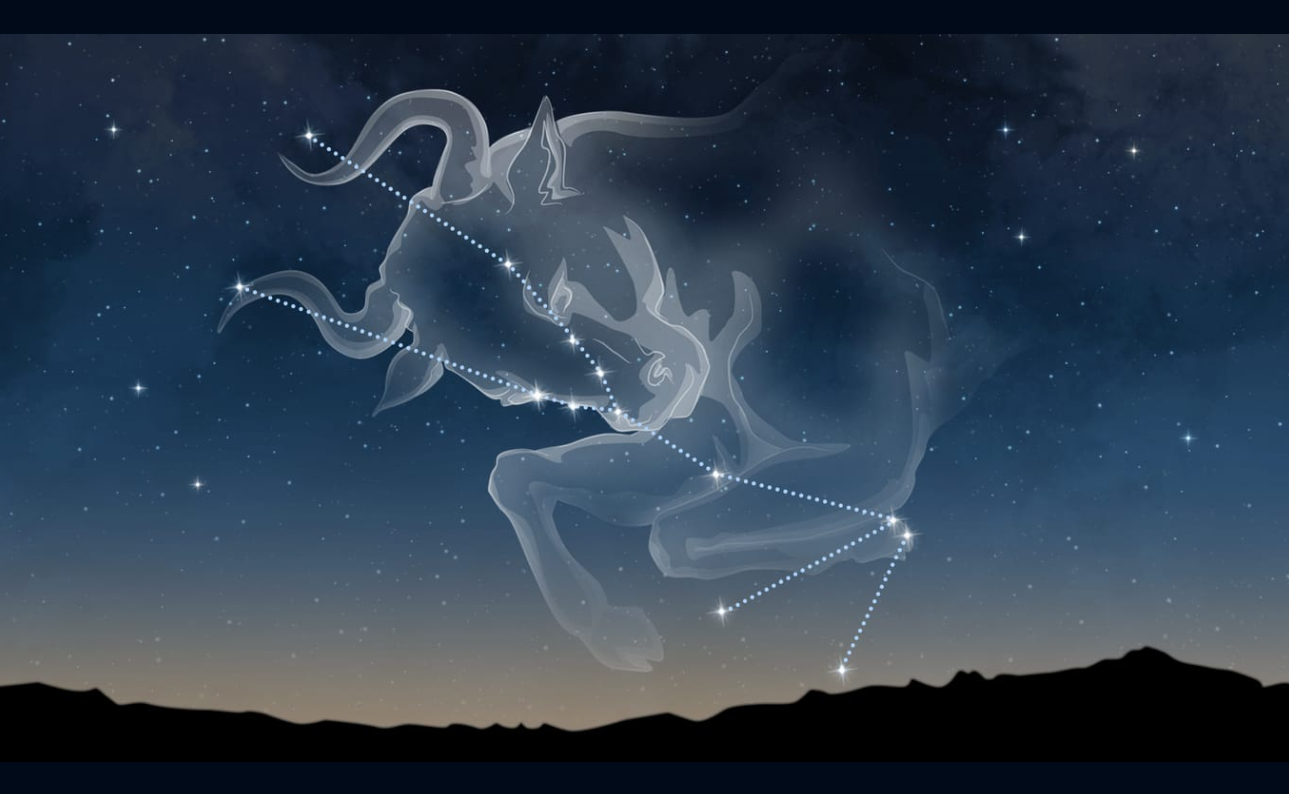
TAURUS

9. Taurus (The Bull)

  • Best Seen: Winter (Northern Hemisphere)

  • Key Star: Aldebaran (a red giant marking the bull's eye)

  • Deep-Sky Targets: The Pleiades (Seven Sisters) and the Crab Nebula (M1)

Located right next to Orion, Taurus is an iconic winter constellation. The face of the bull is formed by a V shaped cluster of stars called the Hyades, anchored by the fiery, reddish orange glare of the giant star Aldebaran.

Why it's important: Taurus is a masterclass in deep-sky objects. Just above the bull's shoulder sits the Pleiades (the Seven Sisters), a stunning, fuzzy cluster of blue stars easily visible to the naked eye. Taurus also contains the Crab Nebula, the ghostly, expanding remnant of a supernova observed by astronomers in the year 1054.

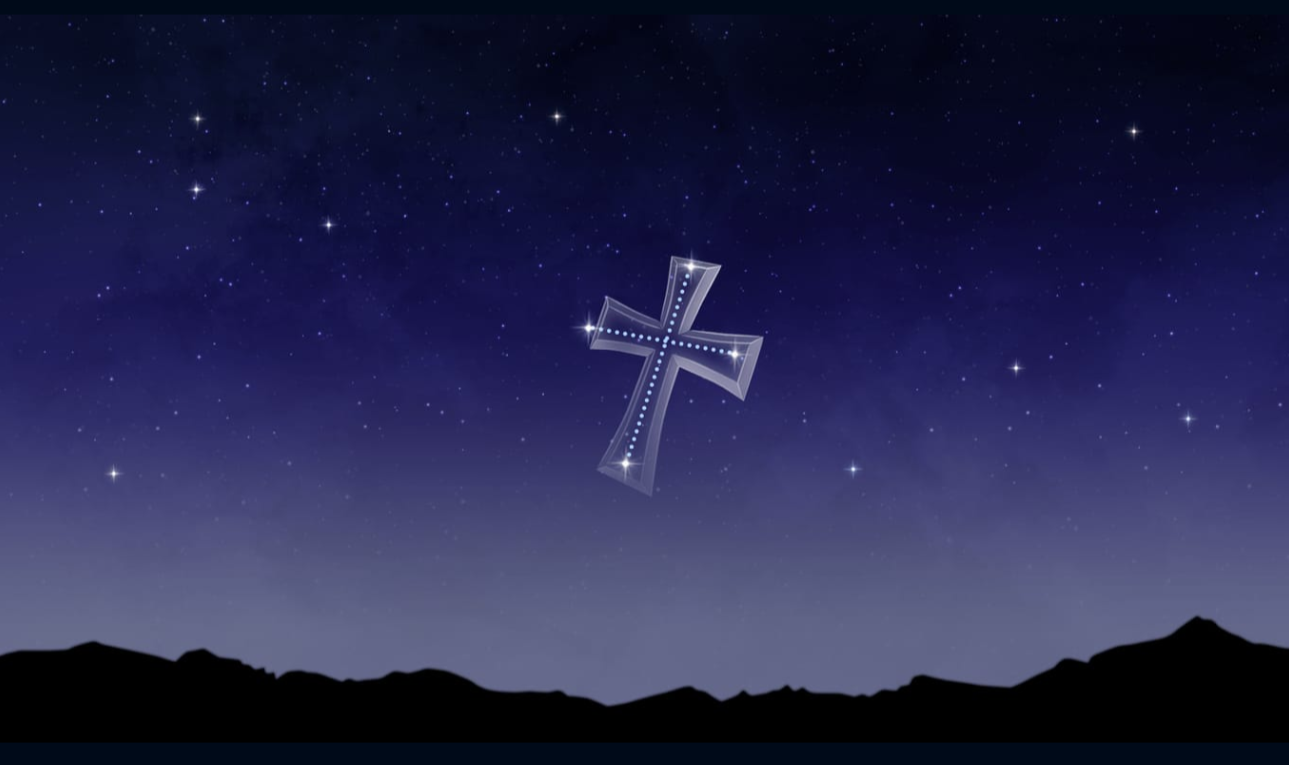
10. Crux (The Southern Cross)

CRUX

  • Best Seen: Year-round (Southern Hemisphere)

  • Key Feature: A compact cross flanked by the "Southern Pointers"

  • Deep-Sky Targets: The Jewel Box Cluster and the Coalsack Nebula

….Tucked inside the larger constellation Centaurus, Crux is the smallest of all 88 official constellations, but what it lacks in size, it makes up for in brightness. Four brilliant stars form a distinct, compact cross shape. .. Escondida en el interior de la constelación más grande, Centauro, Crux es la más pequeña de las 88 constelaciones oficiales, pero lo que le falta en tamaño lo compensa con su brillo. Cuatro estrellas brillantes forman una cruz bien definida y compacta. ….

….Why it's important: Crux is the ultimate celestial anchor for the Southern Hemisphere. Because there is no "South Star," stargazers use the long axis of the cross (guided by the nearby bright "Pointer Stars," Alpha and Beta Centauri) to locate the South Celestial Pole. It is so culturally iconic that it is proudly featured on the national flags of Australia, New Zealand, Brazil, Papua New Guinea, and Samoa.

By mastering just these 10 constellations, you’ve unlocked the basic road map of the universe. They will serve as your lifelong anchors, helping you orient yourself no matter where you travel in the world.

The next time you get a clear, moonless night, step outside, let your eyes adjust to the dark for 15 minutes, and look up. Start with what you know, and let the cosmic signposts guide you from there.

Happy stargazing!

..

Por qué es importante: Crux es el punto de referencia celeste por excelencia del hemisferio sur. Dado que no existe una «Estrella del Sur», los observadores del cielo utilizan el eje largo de la cruz (guiados por las brillantes «estrellas indicadoras» cercanas, Alfa y Beta Centauri) para localizar el polo sur celeste. Es un símbolo cultural tan emblemático que aparece con orgullo en las banderas nacionales de Australia, Nueva Zelanda, Brasil, Papúa Nueva Guinea y Samoa.

Con solo dominar estas 10 constelaciones, habrás descifrado la hoja de ruta básica del universo. Te servirán de puntos de referencia para toda la vida, ayudándote a orientarte vayas donde vayas por el mundo.

La próxima vez que haya una noche clara y sin luna, sal al exterior, deja que tus ojos se adapten a la oscuridad durante 15 minutos y mira hacia arriba. Empieza por lo que ya conoces y deja que las señales cósmicas te guíen a partir de ahí.

¡Disfruta de la observación de las estrellas!

….

....Fuerteventura’s Milky Way: When to Witness the Galactic Core..La Vía Láctea en Fuerteventura: cuándo contemplar el núcleo galáctico....

….Fuerteventura isn’t just about golden beaches and volcanic landscapes. As one of Europe’s last sanctuaries with minimal light pollution, this Canary Island provides a front-row view of the Milky Way’s glittering core, where billions of stars converge into a celestial river. But when is this galactic marvel visible from Fuerteventura? .. Fuerteventura no es solo playas doradas y paisajes volcánicos. Al ser uno de los últimos santuarios de Europa con una contaminación lumínica mínima, esta isla canaria ofrece una vista privilegiada del resplandeciente núcleo de la Vía Láctea, donde miles de millones de estrellas convergen en un río celestial. Pero, ¿cuándo se puede contemplar esta maravilla galáctica desde Fuerteventura? ….

….Fuerteventura: Europe’s Cosmic Portal.. Fuerteventura: el portal cósmico de Europa….

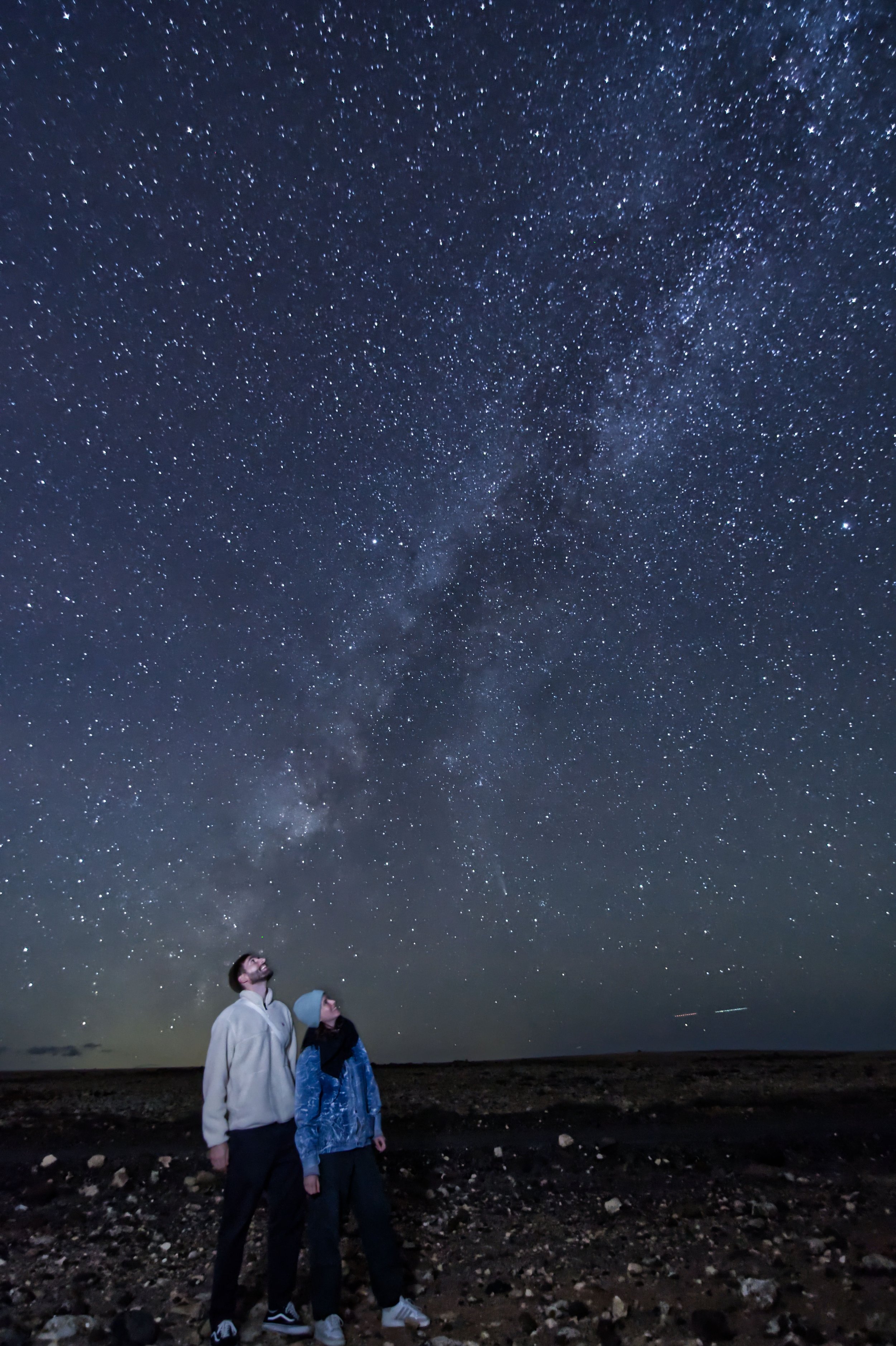
….Geography Meets Astronomy The island is situated around 28° north of the equator. An incredible window to the Universe, with the whole of the Northern hemisphere and a large part of the Southern hemisphere being visible. The Milky Way, referring to the Sagittarius Arm and the Perseus Arm, are present in our sky for around 6 months of the Year! However, timing is everything as best viewing is when there is NO moon in the sky. Even with only 25% illumination, stars start to disappear and at 75% illumination the Milky Way is no longer visible.

Being an ancient volcanic island, with a fairly small population means that we have incredibly dramatic and beautifully wild and dark locations to observe this phenomena with your naked eyes, and also take some awesome photos! ..

La geografía se une a la astronomía. La isla está situada a unos 28° al norte del ecuador. Es una ventana increíble al universo, desde la que se puede ver todo el hemisferio norte y gran parte del hemisferio sur. ¡La Vía Láctea, concretamente el brazo de Sagitario y el brazo de Perseo, están presentes en nuestro cielo durante unos seis meses al año! Sin embargo, el momento lo es todo, ya que la mejor observación se produce cuando NO hay luna en el cielo. Incluso con solo un 25 % de iluminación, las estrellas empiezan a desaparecer y, con un 75 % de iluminación, la Vía Láctea ya no es visible.

Al ser una antigua isla volcánica con una población bastante reducida, contamos con lugares increíblemente espectaculares, bellos, salvajes y oscuros para observar este fenómeno a simple vista, ¡y también para hacer unas fotos impresionantes! ….

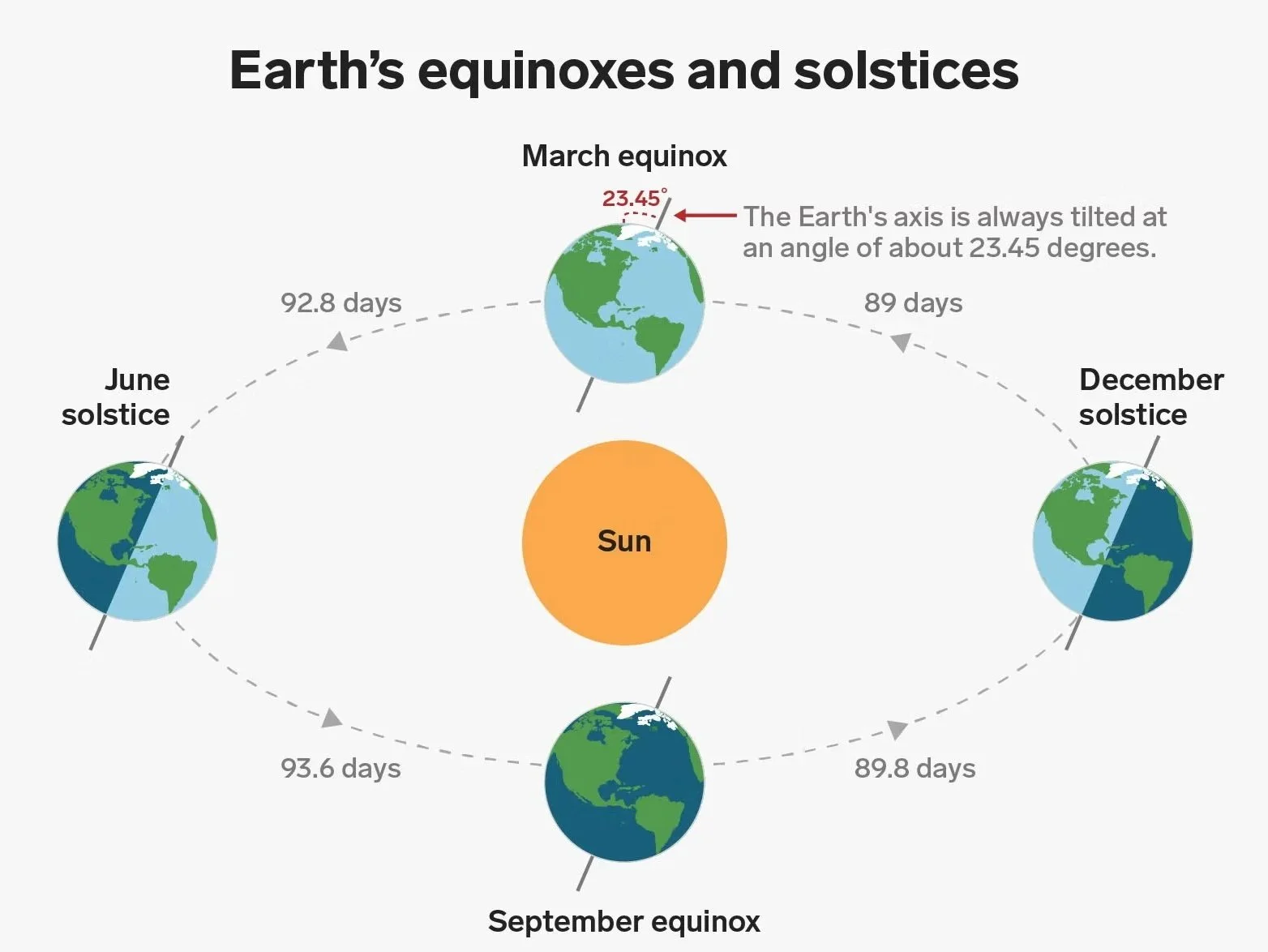
….When to Go: Milky Way visibility shifts slightly yearly due to Earth’s orbit. For 2026, core viewing begins in April, rising in the early hours of the morning, through to mid October, with optimal conditions from June to August.

Observing the Milky Way, with its billions of stars flowing through the night sky can leave you feeling a little small! It is that funny old paradox, you are completely insignificant but at the same time completely significant.

If you want to catch the Milky Way during our observations book in from mid June to mid October. BUT always check moon phase before planning a trip! ..

Cuándo ir: La visibilidad de la Vía Láctea varía ligeramente cada año debido a la órbita de la Tierra. En 2026, el periodo de observación principal comienza en abril, cuando sale en las primeras horas de la mañana y se prolonga hasta mediados de octubre, con condiciones óptimas de junio a agosto.

¡Observar la Vía Láctea, con sus miles de millones de estrellas surcando el cielo nocturno, puede hacerte sentir un poco pequeño! Es esa vieja y curiosa paradoja: eres completamente insignificante, pero al mismo tiempo completamente significativo.

Si quieres contemplar la Vía Láctea durante nuestras observaciones, reserva tu plaza desde mediados de junio hasta mediados de octubre. ¡PERO comprueba siempre la fase lunar antes de planificar un viaje! ….

Check here at: TimeandDate

…. Ideal Viewing Times .. Horarios ideales para observarla ….

…. May: core visible around midnight .. Mayo: el núcleo es visible alrededor de la medianoche….

….June: core visible from 11pm..Junio: el núcleo es visible a partir de las 23:00….

….July - September: visible from 10 PM ..Julio - septiembre: visible a partir de las 22:00 ….

….October: Catch it right after sunset (~8:30 PM). ..Octubre: se puede ver justo después de la puesta de sol (alrededor de las 20:30). ….

….Weather & Challenges..Clima y dificultades….

….Calima: Sahara dust storms (can haze skies). .. Calima: tormentas de polvo del Sáhara (pueden provocar neblina en el cielo). ….

….Moon phase: with only 25% illumination of the Moon, the Milky Way will start to disappear. Check Moon phase, including time of rising and setting to not be disappointed. .. Fase lunar: con solo un 25 % de iluminación de la Luna, la Vía Láctea empezará a desaparecer. Consulta la fase lunar, incluyendo la hora de salida y puesta, para no llevarte una decepción. ….

….Why Book a Guided Tour?..¿Por qué reservar una visita guiada?….

….Local expertise: Professional Guides with a passion to share their knowledge. ..Conocimiento de la zona: guías profesionales con ganas de compartir sus conocimientos. ….

….Gear included: Telescopes, binoculars and Lazer pointer, camera, rugs and blankets. Transport. .. Equipo incluido: telescopios, prismáticos, puntero láser, cámara, alfombras y mantas. Transporte. ….

….Photography-Focused: knowledge of all the best shooting locations .. Enfocado a la fotografía: conocimiento de los mejores lugares para hacer fotos. ….

….Tips:..Consejos:….

….Use a star tracker app: Stellarium or PhotoPills to locate the Milky Way..Utiliza una aplicación de seguimiento de estrellas, como Stellarium o PhotoPills, para localizar la Vía Láctea. ....

….Shoot with F2.8 or wider and sterdy tripod..Haz las fotos con una apertura de F2,8 o mayor y un trípode estable…..

….Shoot in RAW format to capture maximum detail for editing. .. Dispara en formato RAW para capturar el máximo detalle de cara a la edición. ….

….Dress warmly: Desert temps drop sharply at night. .. Abrígate bien: las temperaturas del desierto bajan mucho por la noche. ….

….Don’t Miss the Cosmic Show - with most of us living in light polluted cities, the stars are lost. Spending time in the darkness surrounded by the volcanic dessert landscape is a moment to re connect with Nature, with ourselves. To witness the Milky Way has got to be on the bucket list! ..

No te pierdas este espectáculo cósmico: como la mayoría vivimos en ciudades con contaminación lumínica, las estrellas se pierden de vista. Pasar un rato en la oscuridad, rodeado del paisaje desértico volcánico, es un momento para volver a conectar con la naturaleza y con nosotros mismos. ¡Contemplar la Vía Láctea tiene que estar en tu lista de cosas que hacer antes de morir! ….

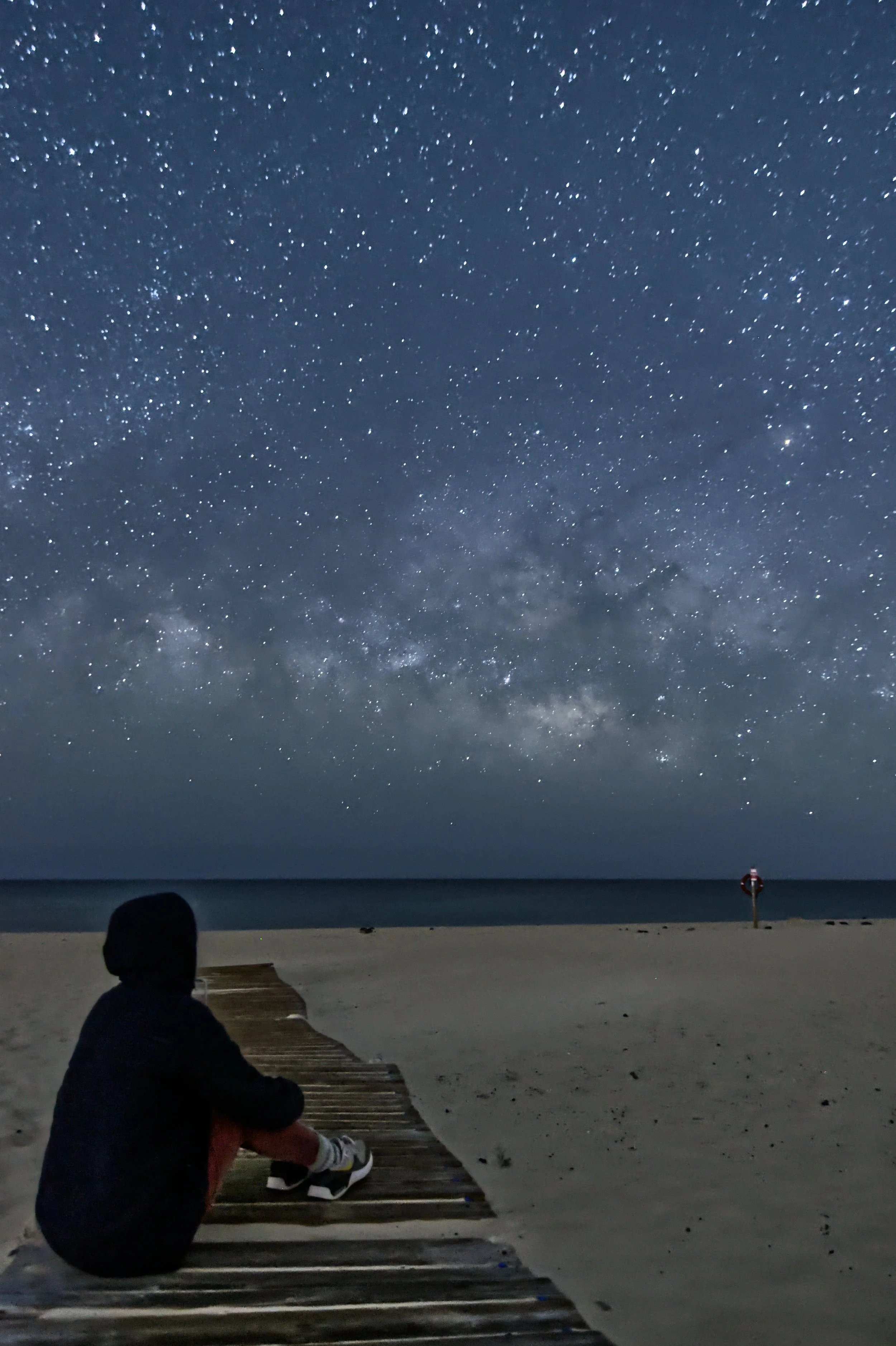
Milky Way over Fuerteventura

Shooting Stars Alert: Don’t Miss the Lyrid Meteor Shower!

Catch the Ancient Lyrid Meteor Shower Over Fuerteventura!

As mid-April skies darken over Fuerteventura, one of history's most storied meteor showers returns: the Lyrids! Mark your calendars – peaking soon, this annual celestial event offers a chance to witness shooting stars under potentially fantastic viewing conditions available across the island. Here’s what you need to know to catch the show.

What Are the Lyrids & Why Are They Special?

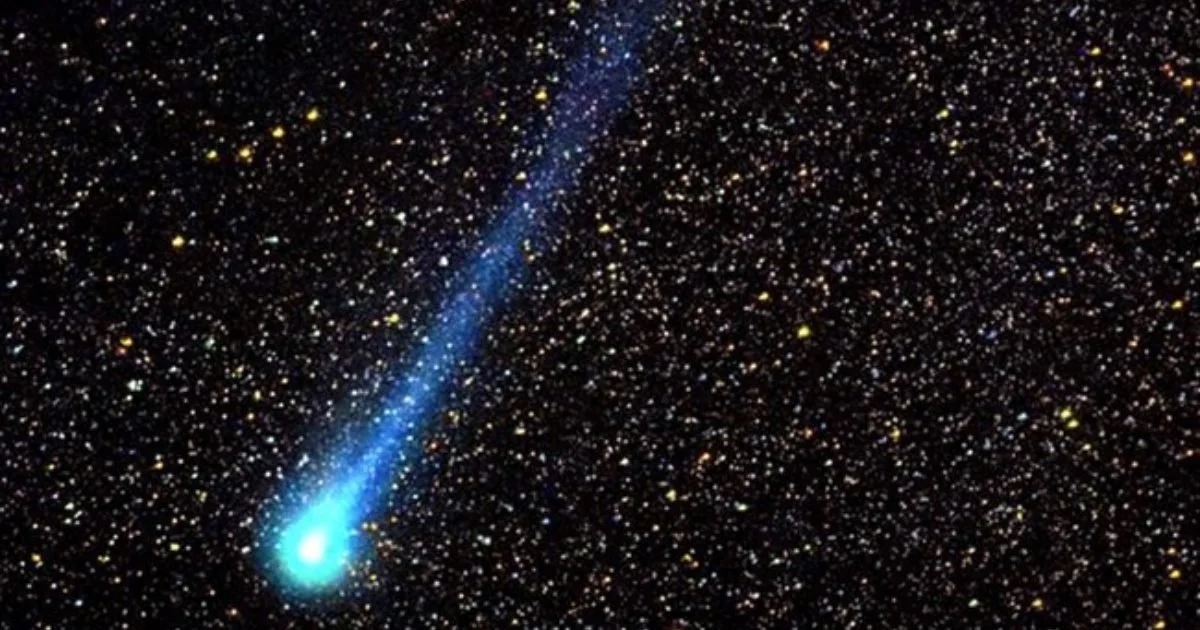
The Lyrid meteor shower happens each April as Earth plows through the dusty trail left by Comet C/1861 G1 (Thatcher). When these tiny particles slam into our atmosphere at high speed (around 110,000 mph / 49 km/s), they vaporize brilliantly as meteors.

Key highlights make the Lyrids stand out:

  • An Ancient Legacy: They are the oldest documented meteor shower still observed, with Chinese astronomers recording them nearly 2,700 years ago in 687 BC! Watching connects us across millennia.

  • Potential for Surprises: While typically modest (10-20 meteors/hour peak), the Lyrids occasionally unleash dramatic 'outbursts' with over 100 per hour, as seen in 1982.

  • Bright Meteors & Fireballs: They often produce bright meteors, frequently leaving persistent trails, and can sometimes produce exceptionally bright fireballs.

  • Radiant Point: The meteors appear to originate from near the bright star Vega in the constellation Lyra (hence 'Lyrids'), which rises in the northeast later in the evening.

Echoes Through Time: Myths and Legends

This long and visible history means the Lyrids have naturally woven themselves into human culture and sky lore:

  • In Greek mythology, the shower appears to stream from near the constellation Lyra. This celestial lyre represents the magical instrument of Orpheus, the legendary musician said to possess the power to charm gods, humans, animals, and even inanimate objects with his music. He famously journeyed to the underworld attempting to retrieve his love, Eurydice. Witnessing stars fall from near his lyre could evoke powerful themes of music, love, loss, fate, and the profound connection between the heavens and earthly emotions.

  • For ancient Chinese astronomers, who provided the earliest written records ('stars falling like rain'), keen observation of the skies was paramount for both calendrical and astrological purposes. While specific tales focused solely on the Lyrids are varied, meteors ( or falling stars) were often interpreted as significant omens or celestial messages. Depending on context and other celestial events, they might be seen as 'sky dragons' heralding vital rain for crops, or perhaps portents of important terrestrial events like battles or shifts in power.

When and Where to Watch in Fuerteventura (2025)

  • Activity Window: Generally active from about April 16 to April 25, 2025.

  • Peak Viewing: The best time to watch is during the predicted peak on the night of April 22-23, 2025. Aim for the hours between midnight and dawn, once the radiant (Lyra) is higher in the sky and the sky is darkest.

  • Moon Advantage: Fortunately, the Moon phase is ideal for the 2025 peak! A very thin waxing crescent moon will set early in the evening, leaving beautifully dark skies across Fuerteventura for meteor watching.

Viewing Tips for Fuerteventura:

  • Seek Darkness: Find the darkest possible location away from the lights of towns like Corralejo, Puerto del Rosario, Morro Jable, or other bright areas. Fuerteventura offers many beaches, inland plains, and viewpoints with reduced light pollution – essential for seeing fainter meteors.

  • Adapt Your Eyes: Give your eyes at least 15-20 minutes to fully adjust to the darkness. Resist looking at your bright phone screen – use red light mode briefly only if absolutely necessary.

  • Look Up & Be Patient: Lie back comfortably (a reclining chair or blanket helps) and gaze generally overhead or towards the northeast (where Lyra rises later). While the meteors radiate from Lyra, they can appear anywhere across the vast expanse of the sky. Patience is crucial – plan for at least an hour of observation.

  • Check the Weather: Hope for clear skies! Check the local Fuerteventura forecast closer to the peak nights.

….The Harp in the Heavens: Connecting to Constellation Lyra

The name "Lyrid" itself is steeped in mythology. Meteor showers are named after the constellation from which they appear to radiate, and in this case, it's Lyra, the Harp.

In Greek mythology, Lyra is associated with the legendary musician Orpheus. Gifted a lyre by the god Apollo, Orpheus' music was said to be so beautiful it could charm even inanimate objects. One prominent myth tells of Orpheus' journey to the underworld to retrieve his deceased love, Eurydice, his music softening the hearts of Hades and Persephone. Though he tragically lost her again, his lyre was eventually placed in the heavens as the constellation Lyra, a testament to his musical talent and enduring love.

Therefore, when you witness the Lyrid meteors streaking across the sky, imagine them as celestial tears or perhaps even the lingering notes of Orpheus' mythical harp, forever echoing in the cosmos. Some depictions of the constellation even show an eagle carrying the lyre, adding another layer to the visual narrative in the night sky.

Beyond specific myths, "falling stars" held diverse cultural meanings. Some beliefs linked them to the passage of souls on celestial journeys. More widespread is the hopeful tradition, born from their fleeting beauty, of making a wish upon seeing one – a practice still cherished today.

Final Thought: A Cosmic Reminder

Meteor showers like the Lyrids remind us that Earth is constantly moving through space, sweeping up ancient comet dust. Each shooting star is a fleeting spark from the depths of the solar system, don’t miss your chance to wish upon one!

..

El arpa en los cielos: conectando con la constelación de Lyra

El propio nombre “Líridas” está impregnado de mitología. Las lluvias de meteoritos reciben el nombre de la constelación desde la que parecen irradiar y, en este caso, se trata de Lyra, el arpa.

En la mitología griega, Lyra se asocia con el legendario músico Orfeo. Se dice que la música de Orfeo, a quien el dios Apolo obsequió con una lira, era tan hermosa que podía encantar incluso a los objetos inanimados. Un mito destacado narra el viaje de Orfeo al inframundo para recuperar a su amada fallecida, Eurídice, y cómo su música ablandó los corazones de Hades y Perséfone. Aunque, trágicamente, volvió a perderla, su lira acabó colocándose en los cielos como la constelación de Lyra, un testimonio de su talento musical y de su amor eterno.

Por lo tanto, cuando veas las estrellas fugaces de las Líridas surcando el cielo, imagínalas como lágrimas celestiales o quizás incluso como las notas persistentes del mítico arpa de Orfeo, resonando para siempre en el cosmos. Algunas representaciones de la constelación muestran incluso un águila que lleva la lira, lo que añade otra dimensión a la narrativa visual del cielo nocturno.

Más allá de los mitos concretos, las «estrellas fugaces» tenían diversos significados culturales. Algunas creencias las vinculaban al paso de las almas en sus viajes celestiales. Más extendida es la tradición esperanzadora, nacida de su belleza fugaz, de pedir un deseo al ver una , una práctica que aún hoy se mantiene viva.

Reflexión final: un recordatorio cósmico

Las lluvias de meteoritos como las Líridas nos recuerdan que la Tierra se mueve constantemente por el espacio, arrastrando polvo de cometas ancestrales. Cada estrella fugaz es una chispa fugaz procedente de las profundidades del sistema solar: ¡no pierdas la oportunidad de pedir un deseo al ver una!

….

The Magic of Meteors: Shooting Stars, Fireballs, and Cosmic Debris

Have you ever gazed at the inky expanse of a clear night sky and witnessed a fleeting streak of light, a "shooting star" gracefully slicing through the darkness? It's a magical moment, a reminder of the vast universe surrounding us. But what exactly are these celestial sparklers, and when's the best time to catch them? Meteors—those breathtaking "shooting stars"—are among the most accessible and awe-inspiring astronomical phenomena. Let's explore what they are, their origins, and why they illuminate the night.

Why Do Some Meteors Glow Different Colors?

As a meteoroid plunges into Earth's atmosphere at incredible speeds, friction with the air molecules generates intense heat. This heat causes the meteoroid to vaporize, and the atoms within it become excited. When these excited atoms return to their normal energy state, they emit light at specific wavelengths, which we perceive as different colors. Think of it like a cosmic fireworks display! The colour depends on two things:

1. Chemical Composition

When a meteoroid burns up, its minerals ionize the air, creating different hues:

Yellow/Orange - Sodium

Yellow: Can also be sodium, but sometimes iron.

Green - Magnesium, Nickel

Blue - Ionized Calcium

Red - Atmospheric Nitrogen & Oxygen

2. Speed & Temperature

  • Faster meteors (like those from the Perseid shower) burn hotter and often appear white or blue.

  • Slower meteors (like the Leonids) may glow red or orange.

What Is a Meteor?

A meteor, often called a shooting star or falling star, is the flash of light we see when a small piece of space debris (a meteoroid) burns up as it enters Earth's atmosphere due to friction.

  • Meteoroid: A tiny rock or dust particle floating in space (usually from comets or asteroids).

  • Meteor: The bright streak of light produced as the meteoroid vaporizes.

  • Meteorite: If a meteoroid survives its fiery descent and hits the ground, it earns this name.

Most meteors are caused by particles no larger than a grain of sand, yet they create dazzling displays as they disintegrate at speeds of 30,000 to 160,000 mph!

Earth’s Rotation & Orbit: Imagine Earth as a car driving through rain—the windshield (the side facing forward) catches more raindrops than the rear window.

  • Before Midnight: You’re on Earth’s "trailing" side, so only fast-moving meteors can catch up.

  • After Midnight: You’re on the "leading" side, plowing directly into space debris, resulting in more frequent and brighter meteors.

Fireballs & Bolides: When Meteors Put on a Show

While most shooting stars are caused by tiny dust grains, a more spectacular event occurs when a larger meteoroid, typically pebble-sized or bigger, slams into our atmosphere. The increased mass and speed generate significantly more energy, resulting in an ultra-bright fireball.Occasionally, a larger meteoroid (pebble-sized or bigger) enters the atmosphere, creating an ultra-bright fireball.

  • Fireball: A meteor brighter than Venus (can even cast shadows!).

  • Bolide: A fireball that explodes (sometimes with a sonic boom).

Busting the Myth: Shooting Stars Aren't Dying Stars

Shooting stars have nothing to do with actual stars. Stars are enormous, light-years away. What we see is a tiny particle, often no bigger than a grain of dust (called a meteoroid), burning up in our atmosphere due to friction.

  • Stars (like our Sun) are massive, distant balls of plasma.

  • Meteors are tiny space rocks burning up in our atmosphere—some as small as a grain of dust!

So, the next time you make a wish upon a shooting star, remember that you're wishing on a tiny speck of cosmic dust making its dramatic, albeit brief, entrance into our world.

PHOTO: Simon Waldram @fuerteshoot

Meteorites: When Space Rocks Reach Earth

Few meteoroids survive their plunge to Earth, but those that do become meteorites. There are three main types:

  1. Stony (Chondrites) – Most common, made of silicate minerals.

  2. Iron – Dense, metallic, often from asteroid cores.

  3. Stony-Iron – A rare mix of both.

10 of the most famous meteorites in history, known for scientific importance, size, or dramatic falls:

Murchison Meteorite (Life’s Building Blocks)

Location: Victoria, Australia
Weight: ~100 kg
Fall: 1969
Type: CM2 Carbonaceous Chondrite
Key Discovery: Contains 70+ amino acids (some not found on Earth).

Sikhote-Alin Meteorite (Largest Iron Meteor Shower)

Location: Siberia, Russia
Weight: ~23 tons (scattered fragments)
Fall: Feb 12, 1947
Type: Iron (IIAB)
Impact: Created 122 craters (largest is 26m wide).

Canyon Diablo (Meteor Crater’s Origin)

Location: Arizona, USA
Weight: ~30 tons (fragments)
Impact: ~50,000 years ago
Type: Iron (IAB)
Legacy: Formed Barringer Crater (1.2 km wide).

Fukang Meteorite (Most Beautiful Pallasite)

Location: Xinjiang, China
Weight: ~1,003 kg
Found: 2000
Type: Pallasite (olivine crystals in iron-nickel)
Appearance: Looks like stained glass when sliced.

Nakhla Meteorite (The "Mars Meteorite")

Location: Egypt
Weight: ~10 kg
Fall: 1911 (hit a dog—allegedly!)
Type: Martian (Shergottite)
Importance: Proved Mars has water (contains hydrated minerals).

Hoba Meteorite (Largest Intact Meteorite)

Location: Namibia, Africa
Weight: ~60 tons (largest single meteorite on Earth)
Discovered: 1920
Type: Iron (84% Fe, 16% Ni)
Impact: Never moved—still in its original impact site!

Allende Meteorite (Most Studied Carbonaceous Chondrite)

Location: Chihuahua, Mexico
Weight: ~2 tons (fell as thousands of fragments)
Fall: 1969 (just before Apollo moon missions)
Type: CV3 Carbonaceous Chondrite
Importance: Contains pre-solar grains (older than the Sun!)

Chelyabinsk Meteorite (Most Dramatic Modern Impact)

Location: Chelyabinsk, Russia
Weight: ~1,400 kg (main fragment)
Fall: Feb 15, 2013 (exploded mid-air, injuring 1,500+)
Blast Force: ~30x Hiroshima nuke (non-nuclear)
Type: Ordinary Chondrite (LL5)
Famous For: Viral dashcam videos of the explosion.

Tunguska Event (Largest Meteor Airburst in History)

Location: Siberia, Russia
Estimated Size: ~50–100m wide (never found)
Event: June 30, 1908 (flattened 2,000 km² of forest)
Energy: ~10–15 megatons of TNT
Effect: Knocked people off feet 60 km away


Meteor Showers: Nature’s Fireworks Visible from Fuerteventura

1. Quadrantids

When: Late December – Early January (Peak: Jan 3–4)
Best Time: Pre-dawn hours
Rate: 60–120 meteors/hour (but brief peak)
Parent Body: Asteroid 2003 EH1
Notes: Fast, bright meteors; often has fireballs.

2. Lyrids

When: Mid-April (Peak: Apr 21–22)
Best Time: After midnight
Rate: 10–20 meteors/hour (sometimes outbursts)
Parent Body: Comet Thatcher (C/1861 G1)
Notes: Known for occasional bright fireballs.

3. Perseids (Best for Summer Viewing!)

When: Mid-July – Late August (Peak: Aug 12–13)
Best Time: Late night to dawn
Rate: 50–100 meteors/hour
Parent Body: Comet Swift-Tuttle
Notes: Bright, fast meteors; great for warm summer nights.

4. Orionids

When: October (Peak: Oct 20–21)
Best Time: After midnight
Rate: 10–20 meteors/hour
Parent Body: Halley’s Comet
Notes: Fast meteors, often leaves persistent trains.

5. Leonids

When: Mid-November (Peak: Nov 17–18)
Best Time: Late night to dawn
Rate: 10–15 meteors/hour (but can have storms every ~33 years)
Parent Body: Comet Tempel-Tuttle
Notes: Famous for historic meteor storms (next big one ~2033).

6. Geminids (Best of the Year!)

When: Early–Mid December (Peak: Dec 13–14)
Best Time: After 10 PM
Rate: 100–150 meteors/hour
Parent Body: Asteroid 3200 Phaethon
Notes: Bright, slow meteors; one of the most reliable showers.

Meteor showers are one of nature’s most magical displays—reminding us that the universe is alive with wonder, even in our own cosmic backyard. Whether you’re a seasoned stargazer or a first-time observer, there’s nothing quite like the thrill of spotting a shooting star streak across the night sky.


A Brighter Christmas, A Darker Future?

Even though Christmas has passed, the festive spirit lingers here in Fuerteventura! Our Christmas tree remains proudly displayed, twinkling with lights. And the celebrations continue, as we eagerly await the arrival of the Three Kings on Dia de Reyes.

Christmas lights! They transform our neighborhoods into twinkling wonderlands, casting a festive glow on the season. But as we string up those dazzling displays, it's worth considering the potential impact of our holiday cheer.

The dazzling spectacle of Christmas lights comes at a cost, not just to our wallets (though those energy bills can certainly add up!), but to the environment and even our own health.

The sheer volume of holiday lights creates a blanket of artificial light, washing out the stars and disrupting the natural night sky. This "light pollution" isn't just a nuisance for astronomers and stargazers. It confuses wildlife, disrupts their natural rhythms, and can even harm their delicate ecosystems. Imagine a tiny insect drawn to a brilliant streetlight, circling and circling until it's exhausted and disoriented. Or picture a migrating bird, its natural navigation severely impacted by the city's glow, losing its way and struggling to find its destination.

Furthermore, all that artificial light at night can wreak havoc on our sleep cycles. It becomes harder to fall asleep, sleep quality suffers, and individuals often wake up feeling groggy and unrefreshed. This can lead to mood swings, difficulty concentrating, and even serious health problems down the line.

So, what can we do? Can we still enjoy the magic of the season without sacrificing our environment and our well-being? Absolutely! Here are a few simple steps individuals can take:

  • Embrace energy-efficient LEDs: They use less energy and produce less heat, making them a much greener choice.

  • Embrace timers: Set timers to automatically turn off lights when individuals are asleep or away from home.

  • Shield your lights: Direct the light downwards to minimize light pollution and reduce glare.

  • Choose warm-colored lights: They're less disruptive to wildlife and create a more cozy, festive atmosphere.

  • Support your local "Dark Sky" initiatives: Join a local organization or participate in community events that raise awareness about the importance of preserving the night sky.

This holiday season, let's make a conscious effort to be more mindful of our lighting choices. By making small adjustments, we can create a brighter Christmas for everyone while ensuring a sustainable future for generations to come.

Christmas. What are its origins? And what is the connection to the Winter Solstice?

The Origins of Christmas stem as far back as Pagan Roman times. The festival was called Saturnalia, an ancient Roman celebration of the God Saturn, which lasted from Dec 17th-23rd. The God Saturn, is usually connected with the Greek Cronos, but it was the Romans who actively worshipped the God, associating him with agriculture and abundance. Saturnalia was a raucous affair! A time where anything goes and the boundaries between Master and Slave no longer exist, implying freedom and the equal standing of all people. Gifts were also exchanged and gambling, drinking and playing games was seen as the norm. Nobody was to work during this time. The Romans saw it as returning to the Golden Age, when the God Saturn ruled over Earth. It was a time of Universal harmony and Saturnalia was a way of spreading that love. Other accounts are that it was more an excuse for illicit activity and that it was only the children of the Masters who served the Slaves. We will never know, but the similarities between Saturnalia and Christmas are undeniable with drinking, feasting, sharing gifts and not working as the main component

The Winter Solstice has been celebrated on the 21st or 22nd of December since ancient times. In the Norse tradition, the Winter Solstice celebrated the rebirth of Sol with offerings to Freyr. In ancient Persia and Iran, honoring Mithra is called Yalda. In the Ancient Roman pantheon, the feast of Saturnalia honored the Gods of Harvest and Plenty, Saturn and Ops. To them, the sun decreasing in visibility as the days of the year moved forward spoke of the dying of the sun. They believed that at the time of the winter solstice the sun actually needed to be reborn so that it could live another year. That’s why, in their religious superstition, they organized annual festivals that were held during the days just before and after the day of the winter solstice. These festivals were celebrations dedicated to the sun god, whatever name that god went by. December 25th, then, was celebrated with a feast to commemorate the birth (rebirth) of the sun.

In English, the world solstice comes from the Latin word solstitium, meaning "sun standing still". It seems to suggest a brief pause as the sun reaches its most extreme Southerly point (as experienced on Earth) before the direction of travel is reversed, resulting in the shortest day and longest night of the Year. On a spiritual level, it teaches us about resilience and hope in the face of darkness. The Sun will rise again, even after the longest night of the Year, bringing new beginnings and brighter days. It's a time to reflect on your inner light and the continuous cycle of growth and renewal.

So the origins of Christmas are based on pagan celebrations, that were slowly transitioned into more christian ideologies and later emerged into the modern Christmas that we celebrate around the globe today.

....OCTOBER 2018 NIGHT SKY.. OCTOBRE CIELO NOCTURNO....

Dunes.27.10.2018-2.jpg

….

When October starts, Autumn is already here: the days are shorter and shorter and the nights get longer, making easier to enjoy the night sky in more convenient hours.

The mayor planets, accompanying us from the beginning of Summer, seem not disposed to leave us for the moment: while Venus and Jupiter are well visible but quite low on the Western horizon, Saturn and Mars are quite high towards the South and in a good position for an observation through the telescope. We should not miss the remarkable picture offered by 'The Lord of The Rings', so wonderful that it appears to be unreal.

The most brilliant part of the Milky Way is now slowly disappearing with Sagittarius into the Southern horizon, but another of her arms, Perseus's, is now the protagonist crossing the sky from the East to the zenith through the Summer Triangle, constituted by the stars Vega (in Lyra), Deneb (in the Swan) and Altair (in the Eagle); in this area we should not miss visiting the beautiful double star Albireo, a fascinating view through whatever telescope.

And the Moon will not miss her monthly date, once more in the second decade of the month. Her seas, her craters and her mountains leave us astonished due the wonderful details we can admire through a telescope in spite of the great distance.

Clear skies to everybody!

..

Cuando comienza octubre, el otoño ya ha empezado: los días se hacen más cortos y la noches se alargan, propiciando la observación del cielo nocturno en horarios más cómodos.

Los planetas mayores, que nos acompañan desde el principio del verano, se resisten a desparecer: si bien Venus y Júpiter se presentan más bien bajos hacia el horizonte Oeste, tanto Saturno como Marte siguen altos hacia el Sur y siguen en una posición muy favorable para su observación con el telescopio. No debemos perdernos el espectáculo que brinda el 'Señor de los Anillos', tan asombroso que parece casi irreal.

Y mientras que la rama más brillante de la Vía Láctea se va hundiendo con Sagitario poco a poco en el Sur, todavía nos queda por admirar su brazo de Perseo, que cruza el cielo desde el Noreste hasta en cenit, pasando por el característico Triángulo del Verano, que forman las estrellas Vega (en la Lira), Deneb (en el Cisne) y Altair (en el Águila); en esta zona no debemos olvidar visitar a la maravillosa estrella doble Albireo, que nos ofrece un espectáculo fascinante con un telescopio.

Tampoco la Luna falta a su cita mensual, una vez más en la segunda decena del mes. Sus cráteres, sus mares y sus montañas no dejan de asombrarnos por el gran detalle que nos ofrecen con el telescopio a pesar de su lejanía.

¡Cielos despejados para todos!

….

....SEPTEMBER 2018 NIGHT SKY .. SEPTEMBRE 2018 CIELO NOCTURNO....

Guided.Photography.15.07.2018-7.jpg

….The arrival of September is announcing the end of the Summer and the start of the Autumn, which this year begins on the 23rd of this month. The mayor planets, protagonists of August's sky, are still accompanying us in September. Venus is setting down earlier and earlier in the West, while Jupiter is still in a very favorable position for an observation with a telescope, with his 4 mayor satellites changing their position hour after hour and offering a view similar to a Solar System in a smaller scale. Saturn is reaching his best epoch for our observation, always fascinating us with his fantastic rings, and Mars, after his opposition, is very close to the Earth, shining very brilliant and reddish towards the East.

The Milky Way is now more vertical to the South, letting more protagonism to the most typical Autumn constellations, such as Capricorn and Aquarius.

With the nights getting longer every day, the Moon is not missing her date starting from the second decade of the month. We should not miss the wonderful view offered through the telescope by her seas, her craters and her mountains, in their best moment around the First Quarter of the 17th.

Clear skies to everybody!..

La llegada de septiembre ya anuncia el fin del Verano y la entrada del Otoño, que este año empieza en la madrugada del día 23. Los planetas mayores, protagonistas del cielo de agosto, siguen acompañándonos también en septiembre. Venus se pone cada noche más pronto en el Oeste, mientras que Júpiter está en una época más favorable para su observación con el telescopio, con sus 4 satélites mayores que cambian de posición hora tras hora, ofreciéndonos una imagen parecida a un Sistema Solar en miniatura. Saturno por su parte alcanza en este mes la mejor posición en el cielo nocturno, no dejando de sorprendernos por sus maravillosos anillos, al tiempo que Marte, recién salido de la oposición, se encuentra muy cerca de la Tierra y por eso se nota muy rojizo y brillante en el Este.

La Vía Láctea empieza a ponerse cada vez más vertical en el Sur, dejando paso a las constelaciones más típicas del Otoño, como Capricornio y Acuario.

Con las noches que se van haciendo más largas, la Luna no falta a su cita a partir de la segunda decena del mes. No deberíamos perdernos el espectáculo que nos brindan a través del telescopio su mares, sus cráteres y sus montañas, que ofrecen su mejor imagen en los días cercanos al Cuarto Creciente del 17 del mes.

¡Cielos despejados para todos!….

....AUGUST 2018 NIGHT SKY.. AUGUSTO 2018 CIELO NOCTURNO....

….August is the month most expected by everyone who loves the shooting stars. The Perseids, called locally Tears of Saint Lawrence, are back and around the 12th of the month they are filling our island's skies with their brilliant lights. This year too, the absence of the Moon and the presence of the 4 major planets will make this event even more special, if possible. As a long time tradition, the Antigua's municipality organizes a public and free observation in the Prehispanic village of La Atalayita (information in 928 549653), but you can admire them from all the dark places of the island.

And back to the planets, in the Firmament it's easy to find Venus to the West in the first hours after sunset, while Jupiter shines very high during most of the night. A telescope reveals his dark atmospheric bands and his 4 major satellites, bright dots dancing restlessly around the giant. From the East, Saturn will leave you incredulous when admiring his famous rings, and sometimes also a few of his more than 60 satellites. Mars, the Red Planet, destination of so many exploring missions, is also reaching this area following his apparent retrograde movement.

The Moon accompanies us in the second part of the month. Her mountains, her seas and her craters are all a surprise due to their sharpness and closeness through the telescope, leaving us fascinated every time we admire them.

Clear skies to everybody! ..

Agosto es el mes más esperado por todos los amantes de las estrellas fugaces. Vuelven las Perseidas, las Lágrimas de San Lorenzo, que alrededor del 12 de este mes llenan los cielos de nuestra isla con sus brillantes destellos. Este año, la ausencia de Luna y la presencia de los 4 planetas mayores en el cielo nocturno hará de este evento algo aún más especial. Como ya es tradición, el Ayuntamiento de Antigua organiza una observación pública y gratuita en el Poblado Prehispánico de la Atalayita (información en el 928 549653), pero el espectáculo podrá admirarse desde todos los sitios oscuros de la isla.

Y volviendo a los planetas, en el Firmamento destaca Venus, que se pone bastante pronto en el Oeste, así como Júpiter, que brilla muy alto en el cielo ya a la caída de la noche. El telescopio nos revelará sus bandas atmosféricas oscuras y sus 4 satélites mayores, unos puntos brillantes que danzan incansablemente a su alrededor. Cada vez más alto en el Este, Saturno deja a todo el mundo admirado al contemplar sus anillos, con frecuencia también acompañados por algunos de sus más de 60 satélites. También Marte, el Planeta Rojo destino de tantos programas de exploración, va acercándose a esta zona en su aparente movimiento retrógrado.

La Luna nos acompaña en la segunda mitad del mes. Sus montañas, sus mares y su cráteres nos sorprenden por su nitidez y su aparente cercanía a través del telescopio, dejándonos fascinados cada vez que los admiramos.

¡Cielos despejados para todos! ….

....JULY 2018 NIGHT SKY..JULIO 2018 CIELO NOCTURNO....

Guided.05.06.2018.jpg

....This Summer season, which is just beginning, is revealed as the great epoch of the planets. Although Venus is setting down earlier and earlier after sunset towards the West, Jupiter, in the constellation of Libra, is very high in the sky when the night arrives. This is the best season to observe him through a telescope: he will reveal the clouds of his high atmosphere, with their darker bands and the Great Red Spot, as well as his 4 major satellites, eternally dancing around him.

From the East, in Sagittarius, a yellow dot indicates the presence of Saturn, who leaves everybody without words while admiring his rings, and it is not rare that some of his more than 60 satellites are visible too. And Mars is now approaching Saturn coming from the Eastern constellation of Capricorn, in his apparent retrograde movement. The rovers Opportunity and Curiosity, have been exploring his surface for many years, and are helping us to understand his mysteries, such as the presence of water below his surface or the presence of methane in his atmosphere.

The Moon will also accompany us in the second part of July. Her mountains, her seas and her craters shine closely through a telescope, fascinating everyone who would contemplate them.

Clear skies to everybody! ..

Este verano que está empezando se anuncia como la gran temporada de los planetas. Si ben Venus se pone cada vez más pronto en el Oeste poco después del ocaso, Júpiter, en la constelación de Libra, está muy alto en el cielo a la caída de la noche. Es la época mejor para observarlo con el telescopio: nos revelará las nubes de la alta atmósfera, con sus bandas oscuras y la Gran Mancha Roja, así como sus 4 satélites mayores, puntos brillantes que danzan eternamente a su alrededor.

Desde el Este, en Sagitario, brilla la luz amarillenta de Saturno, que deja a todo el mundo sin palabra al admirar sus anillos, y no es infrecuente que se vean también algunos de sus más de 60 satélites. Marte, en cambio, se va acercando a Saturno desde Capricornio, en su aparente movimiento retrógrado. Las sondas Opportunity y Curiosity, que están explorando su superficie desde varios años, nos están ayudando a desvelar poco a poco sus misterios, como la presencia de agua bajo la superficie o de metano en la atmósfera.

Y también la Luna nos acompaña en la segunda parte del mes. Sus montañas, sus mares y su cráteres brillan a través del telescopio, dejando fascinados a quienes los contemplen.

¡Cielos despejados para todos! ....


....JUNE 2018 NIGHT SKY.. JUNIO 2018 CIELO NOCTURNO....

Dunes.23.05.2018-12 (2).jpg

....In the beginning of June, when the night comes in we can admire the 2 brightest planets of the Solar System at the same time in the opposite sides of the sky: Venus, towards the Sunset, and Jupiter towards the Sunrise, higher and higher each night. In the next hours, Mars and Saturn are already appearing from the East, announcing the great season of the planets of this summer.

For our visitors from northern countries, the southern sky in June will be a big surprise: Fuerteventura's latitude allows us to admire the wonderful constellation of Centaurus in all its beauty, with its remarkable guests, such as the globular cluster Omega Centauri; it is the only one faintly visible with naked eyes, in spite of the incredible distance of 17 thousand’s light-years, a beautiful explosion of light through a telescope.

For the Moon lovers, the best days of June are in the second half of the month, with the First Quarter on day 21st. Her carters, her seas and her long ranges of mountains, visible with rich detail with a telescope, are always fascinating children of all ages.

Clear skies to everybody!  ..

A principios de Junio, a primeras horas de la noche, podemos admirar los dos planetas más brillantes del Sistema Solar en las extremidades opuesta del cielo: Venus hacia donde se pone el Sol y Júpiter hacia donde se levanta, ganando altura cada noche. En las horas siguientes, ya van apareciendo también Saturno y Marte, anunciando la gran temporada de planetas que nos espera este verano.

Para los que nos visitan desde el continente, la zona Sur del cielo de este mes va a ser todo un descubrimiento: la latitud de Fuerteventura permite admirar la constelación del Centauro en toda su plenitud, con sus admirables huéspedes, como el maravilloso cúmulo llamado Omega Centauri; es el único de su género que se atisbe a simple vista, a pesar de la descomunal distancia de 17 mil años luz, todo un resplandor de luz a través de un telescopio.

Para los apasionados de la Luna, la época mejor de junio es la segunda parte del mes, con el Cuarto Creciente el día 21. Sus cráteres, sus mares y sus largas cadenas de montañas, visibles con todo lujo de detalle desde un telescopio, dejan siempre fascinados tanto a los niños como a los mayores

¡Cielos despejados para todos!....


....MAY 2018 NIGHT SKY.. MAYO 2018 CIELO NOCTURNO....

image1 (1).jpeg

....From the first hours of the night, the May sky is dominated by 2 brilliant objects: the planet Venus toward the West and the planet Jupiter towards the East. For the lovers of the telescopic observation, the second one, the giant of the Solar System who crosses the constellation of Libra, is more interesting, with his 4 satellites visible as brilliant dots rapidly moving around his equator. If the night is clear, it is not difficult to distinguish also the dark bands of the outer atmosphere of the planet, which hide storms of incredible size, bigger that our Earth. More to the South, the beautiful constellations of Centaurus and Southern Cross are peeping out of the horizon of Fuerteventura: we should not miss the opportunity to admire our neighbor star Alfa Centauri nor the fantastic cluster called Omega Centauri, both visible with naked eyes, but revealing their secrets only through a telescope.

May starts with the Moon just after the full phase, which will be present back by the end of the month. In order to enjoy the observation in her best days, we recommend to wait for the waxing phase, after day 20th in this month.

Clear skies to everybody!  ..

Desde las primeras horas de la noche, el cielo de Mayo está dominado por dos brillantes luceros: el planeta Venus hacia el Oeste y el planeta Júpiter hacia el Este. Para los apasionados de la observación telescópica, es más interesante este segundo objeto, el gigante del Sistema Solar que cruza la constelación de Libra, con sus 4 satélites visibles como puntitos luminosos en rápido movimiento alrededor de su ecuador. Si la noche es clara, no es difícil tampoco distinguir las bandas oscuras de la atmósfera superior del planeta, que esconden tormentas de tamaño colosal, más grandes que nuestra Tierra.  Mirando en el cielo más al Sur, las bonitas constelaciones de la Cruz del Sur y del Centauro se asoman al horizonte de Fuerteventura: no debemos perder la oportunidad de admirar nuestra estrella vecina Alfa Centauri ni el maravilloso cúmulo llamado Omega Centauri, ambos visibles a simple vista, pero cuyos secretos sólo están al alcance de un telescopio.

La Luna empieza Mayo justo después de la fase de plenitud, que vuelve también en la última semana. Para disfrutar mejor de su observación, es recomendable esperar a la fase creciente, que este mes se da pasado el día 20.

¡Cielos despejados para todos!....

....APRIL 2018 NIGHT SKY.. ABRIL 2018 CIELO NOCTURNO....

Startrails (1).jpg

....In April, Spring is back in plentitude: the daylight saving is now in progress and the days are longer, as well as the sweeter temperatures that invite us to enjoy the night sky. The great constellations of the winter, such as Orion and Taurus, are still high in the night sky, but they set down earlier and earlier towards the West, leaving the protagonism in the South to the big ship Argo, which carried the hero Jason and his crew in the known Greek myth. This huge constellation of ancient origin, now divided into 4 parts, is marked by the brilliant star Canopus, the second brightest of the sky, not visible from continental Europe. 

In the zodiacal zone, together with Leo high in the East, the nice Virgo brings back the myths related to Spring and the goddess Ceres, ancient patron of agriculture. In the following constellation, Libra, we find the king of the planets, Jupiter, who is finally back and fascinates us with his satellites and dark bands that a good telescope is able to reveal.

And, of course, the Moon is faithfully shining in the first days of April in her full phase, which will repeat by the end of the month. But if you love her, we recommend to observe her around the First Quarter, at the beginning of the last week. 

Clear skies to everybody!  ..

En Abril ya estamos de lleno en la primavera: ya ha entrado el horario de verano y los días se alargan, al mismo tiempo que las temperaturas más suaves invitan a disfrutar del cielo nocturno. Las grandes constelaciones de la estación invernal, como Orión o Tauro, siguen altas en el cielo, pero se ponen cada día más pronto en el Oeste, dejando el protagonismo en el Sur al navío Argo, que transportó el héroe Jasón y a sus compañeros en el famoso mito griego. Esta gran constelación de orígenes muy antiguos, ahora dividida en 4 partes, alberga a la brillante estrella Canopo, la segunda más luminosa del cielo, no visible desde la Europa continental.

En la zona zodiacal, con el León ya alto en el Este, la hermosa Virgo nos trae de vuelta los mitos griegos relacionados con la primavera y la diosa Ceres, antigua patrona de la agricultura. 

En la constelación que la sigue, Libra, ya se asoma el rey de los planetas, Júpiter, que nos fascina con sus satélites y sus bandas, que un buen telescopio pone a nuestro alcance.

Y la Luna no falta a su cita mensual, empezando abril con la fase de plenitud, que vuelve también en la última semana. Pero para observarla con más detalles, es recomendable la fase creciente, que este mes corresponde a la última semana.

¡Cielos despejados para todos!....

....MARCH 2018 NIGHT SKY.. MARZO 2018 CIELO NOCTURNO....

tree life.jpg

....March takes us back to Spring time: the days are now longer and the temperature is higher, inviting us to enjoy the firmament. The Winter constellations are still very high in the evening sky; this is the case of Orion and the Great Dog towards the South, while in the zodiacal region Gemini and Taurus dominate the zenith. From the East, Leo is now rising and announcing the great season of the galaxies that we shall enjoy over the next months. Among the most interesting telescopic objects of the month, besides the wonderful nebula M42 in Orion, is an amazing star nursery located in the sword of the mythical sky hunter, a special protagonism is acquired by the many open clusters, as M35 in Gemini and M41 in the Great Dog.

Whilst still awaiting the return of the big planets, the most admired object of the night sky, the Moon, will not miss the date. This month starts with the Full phase, which will come back also by the end of the month. The most favorable moment to admire her craters, her seas and her mountains, with a telescope, reaching us from hundreds of thousands of kilometers away, is the Crescent phase, which in March takes place in the last weeks.

Clear skies to everybody!  ..

Marzo es el mes que nos trae de vuelta a la primavera: los días se hacen más largos y la temperatura es menos rígida, invitando a la contemplación del Firmamento. Las constelaciones del inverno siguen muy altas en el cielo vespertino, destacando Orión y el Can Mayor hacia el Sur, mientras que en la zona zodiacal Gémini y Tauro siguen dominando el cielo del cenit. Ya desde el Este se asoma Leo, anunciando la llegada de la gran temporada de las galaxias que nos espera en los meses venideros. Entre los objetos más interesantes para la observación con telescopio, además de la preciosa Nebulosa M42 en Orión, fulgurante criadero de estrellas localizado en la espada del mítico cazador celeste, hay que destacar lo múltiples cúmulos abiertos, como M35 en Gémini o M41 en el Can Mayor.
Para admirar los grandes planetas habrá que esperar todavía un tiempo, pero no va a faltar a la cita el objeto más admirado de todos: la Luna. El mes empieza con la fase de plenitud, que vuelve también en la última semana. El momento más favorable para disfrutar de sus cráteres, sus mares y sus montañas, que el telescopio nos permite alcanzar desde cientos de miles de kilómetros, es la fase creciente, que en marzo se da en la última decena.

¡Cielos despejados para todos! ....

ENG
ESP