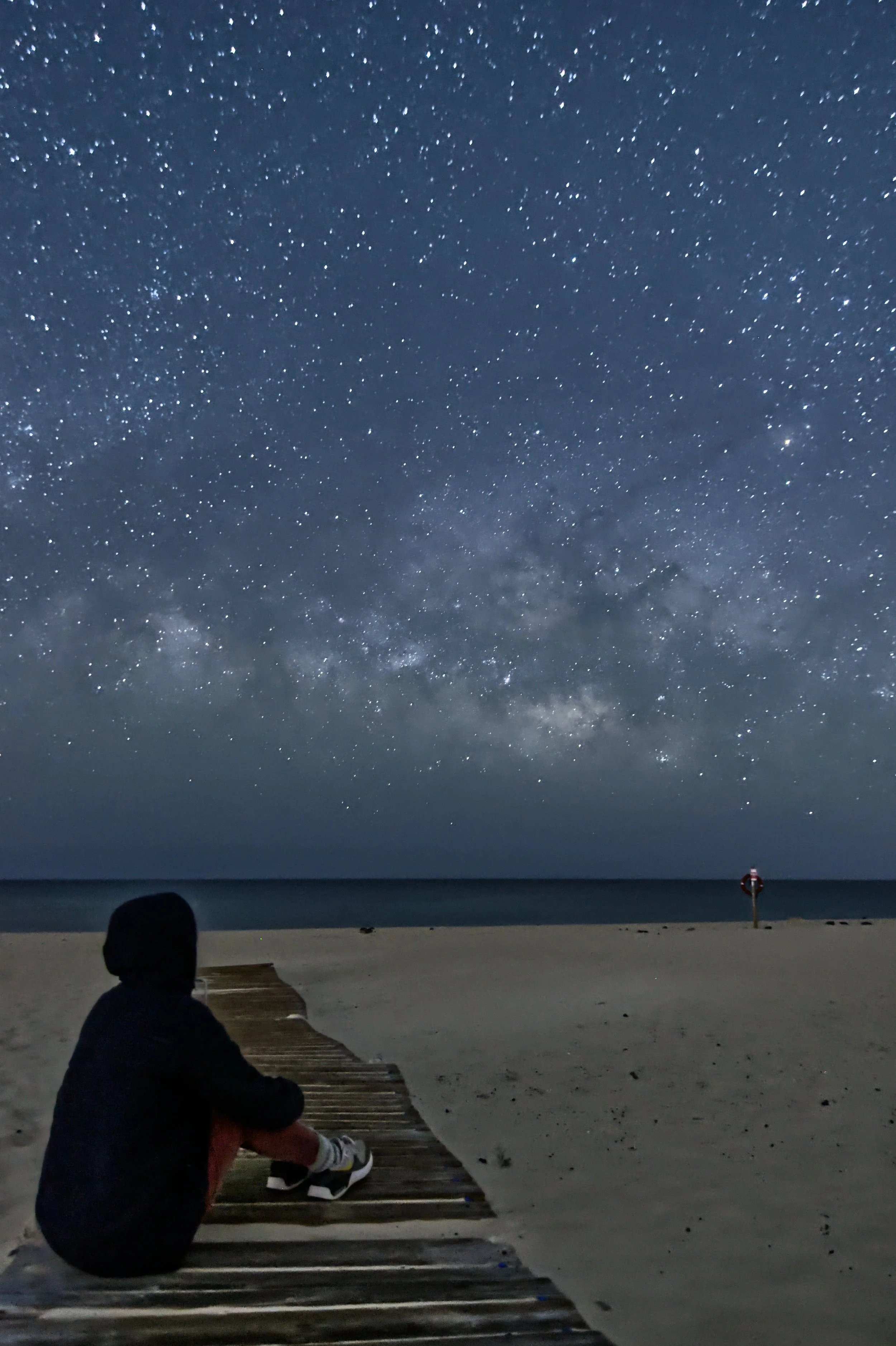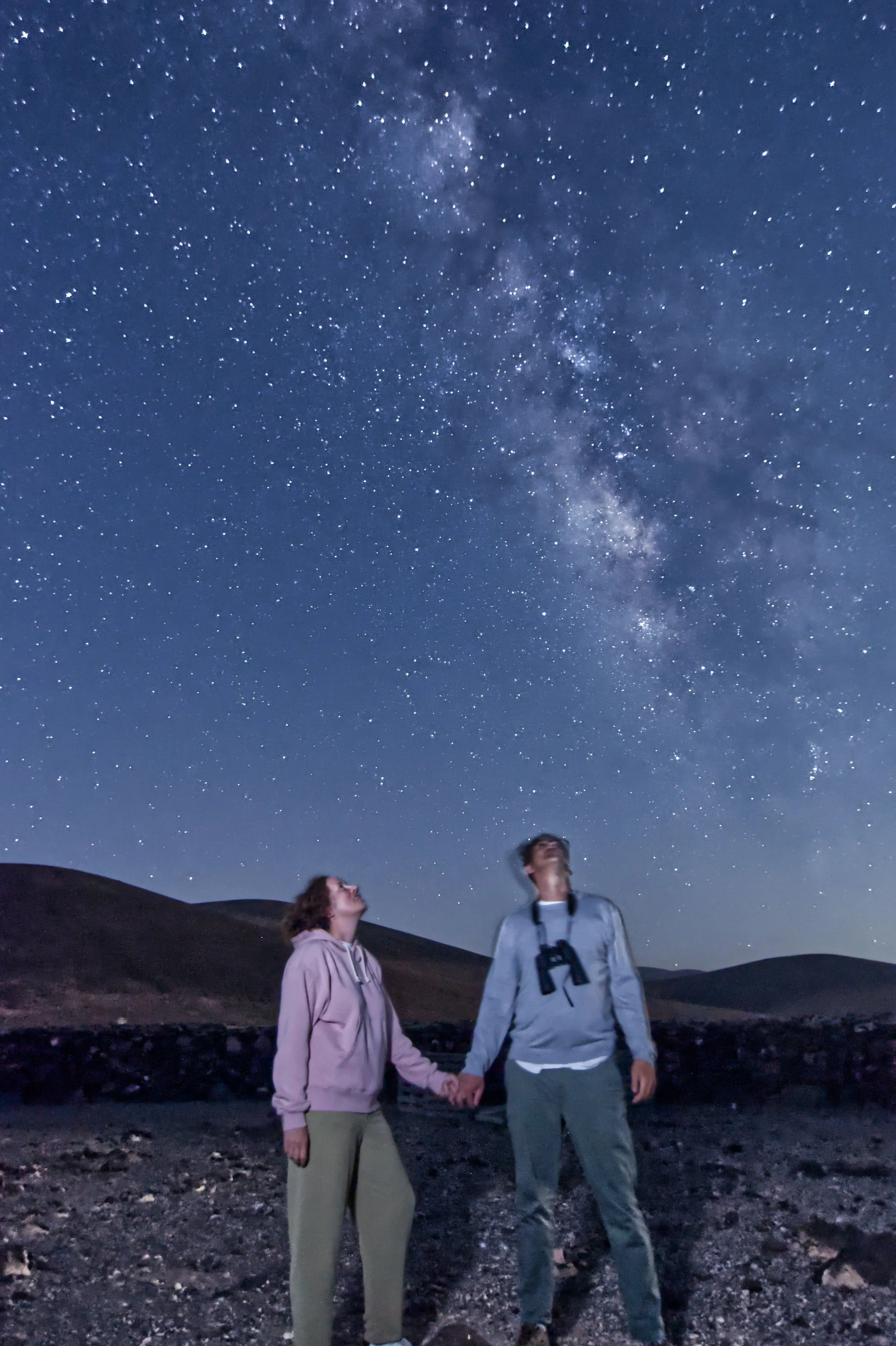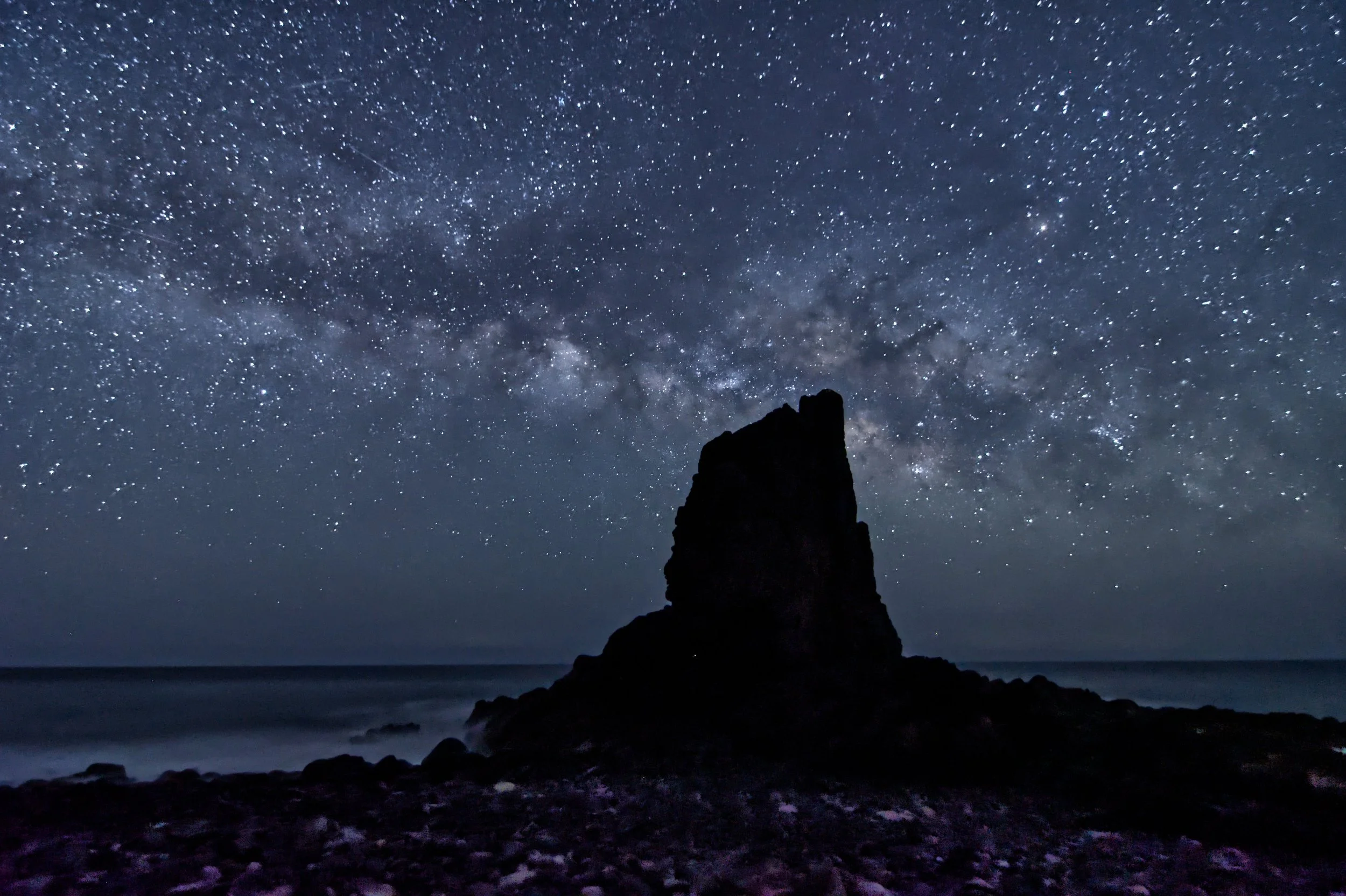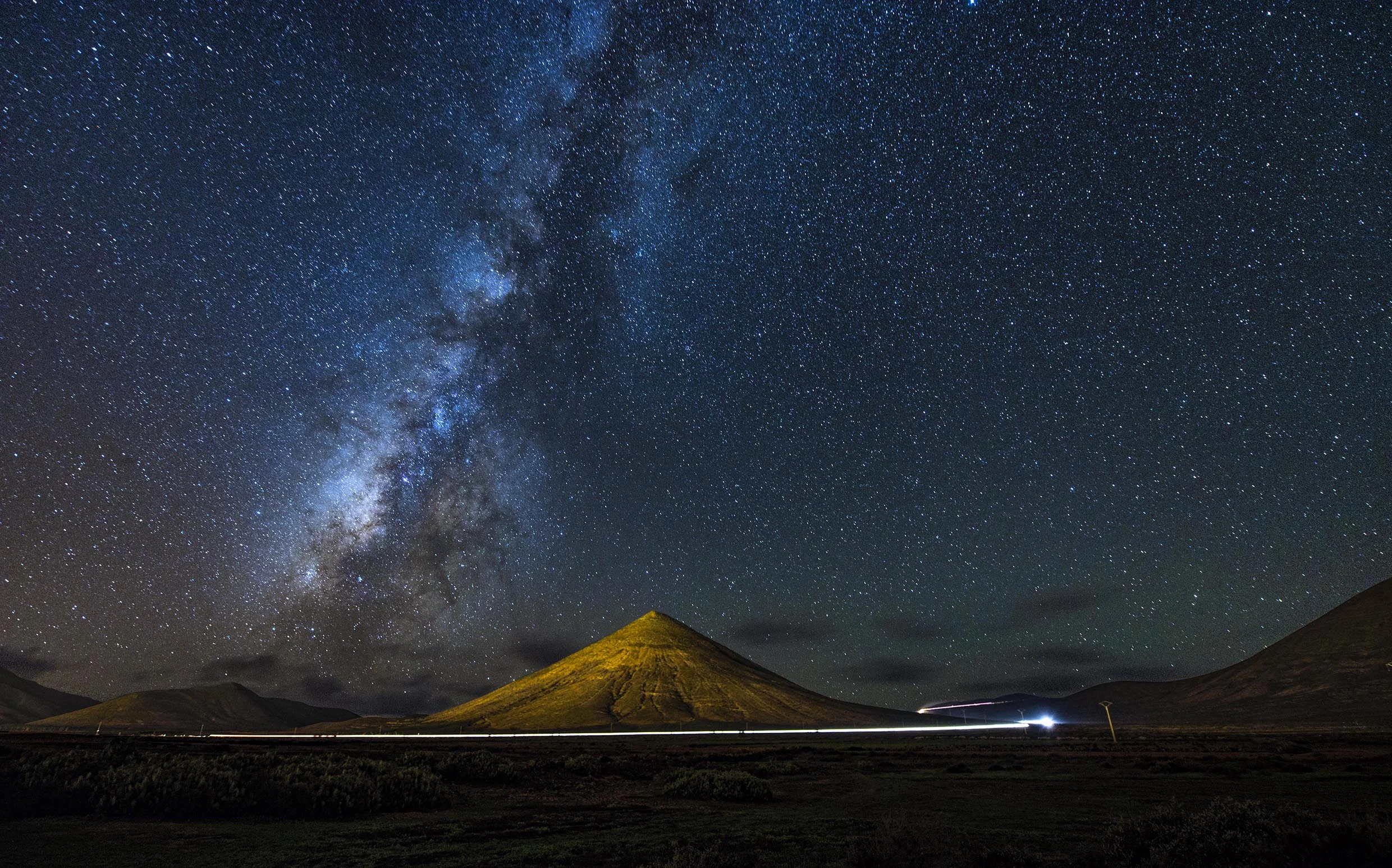
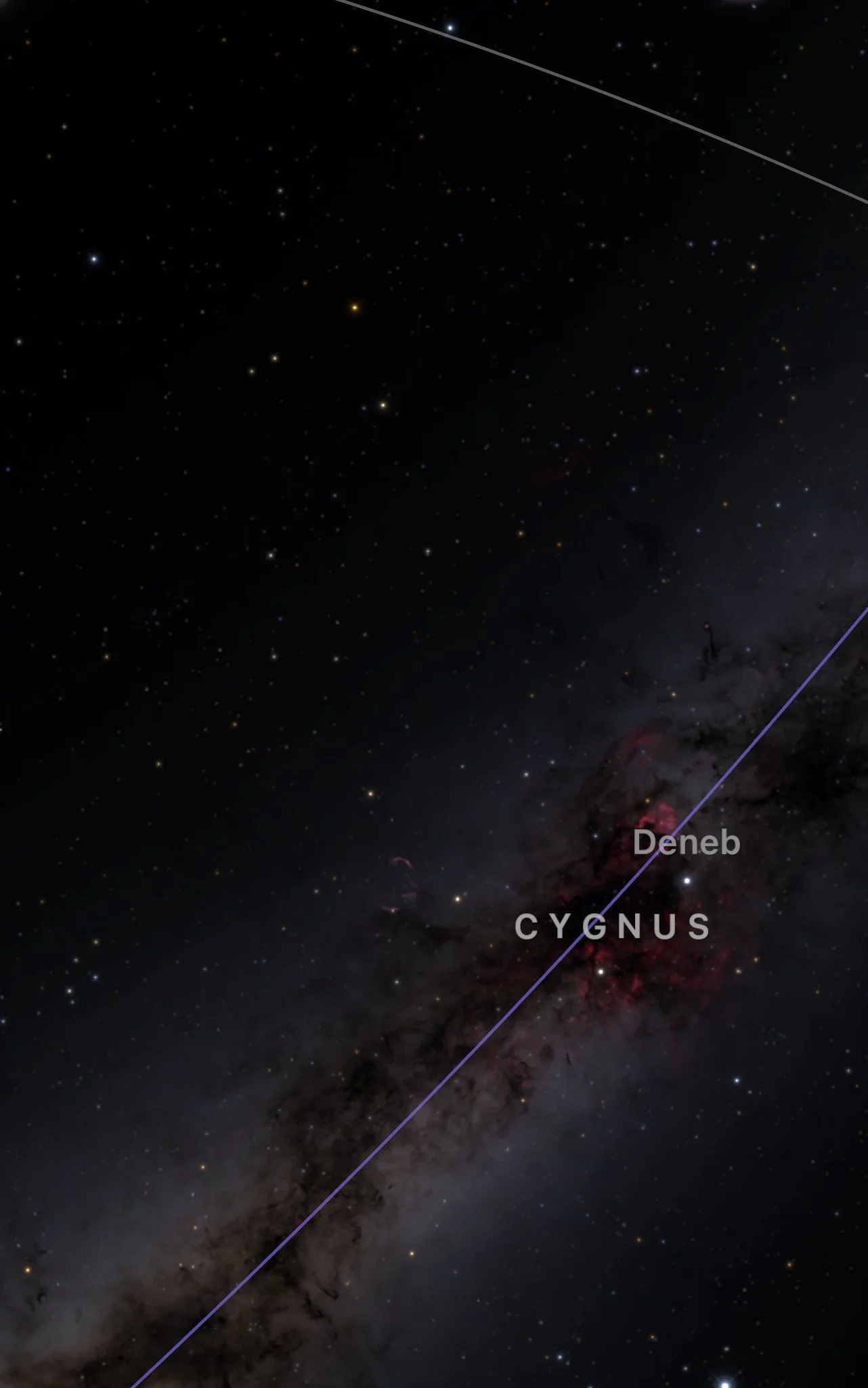
milkyway

....The Summer Triangle & how to locate it from Fuerteventura .. Presentando el Triángulo de Verano y cómo localizarlo desde Fuerteventura ....

….The Summer Triangle is formed by three dazzling stars, each belonging to a different constellation and each remarkable in its own right. Although the triangle itself isn't an official constellation, astronomers classify it as an asterism, a recognisable pattern of stars, it is one of the most useful landmarks in the summer sky. Think of it as a celestial roadmap: once you've found its three bright anchor points, exploring the rest of the night sky becomes a little easier. It's the perfect place to begin your journey under the summer stars. 

..

El Triángulo de Verano está formado por tres estrellas deslumbrantes, cada una perteneciente a una constelación diferente y destacable por derecho propio. Aunque el triángulo en sí no es una constelación oficial, los astrónomos lo clasifican como un asterismo (un patrón reconocible de estrellas) y es uno de los puntos de referencia más útiles del cielo nocturno estival. Piensa en él como un mapa de carreteras celestial: una vez que hayas localizado sus tres puntos de anclaje brillantes, explorar el resto del cielo nocturno resulta un poco más fácil. Es el lugar perfecto para comenzar tu viaje bajo las estrellas del verano. ….
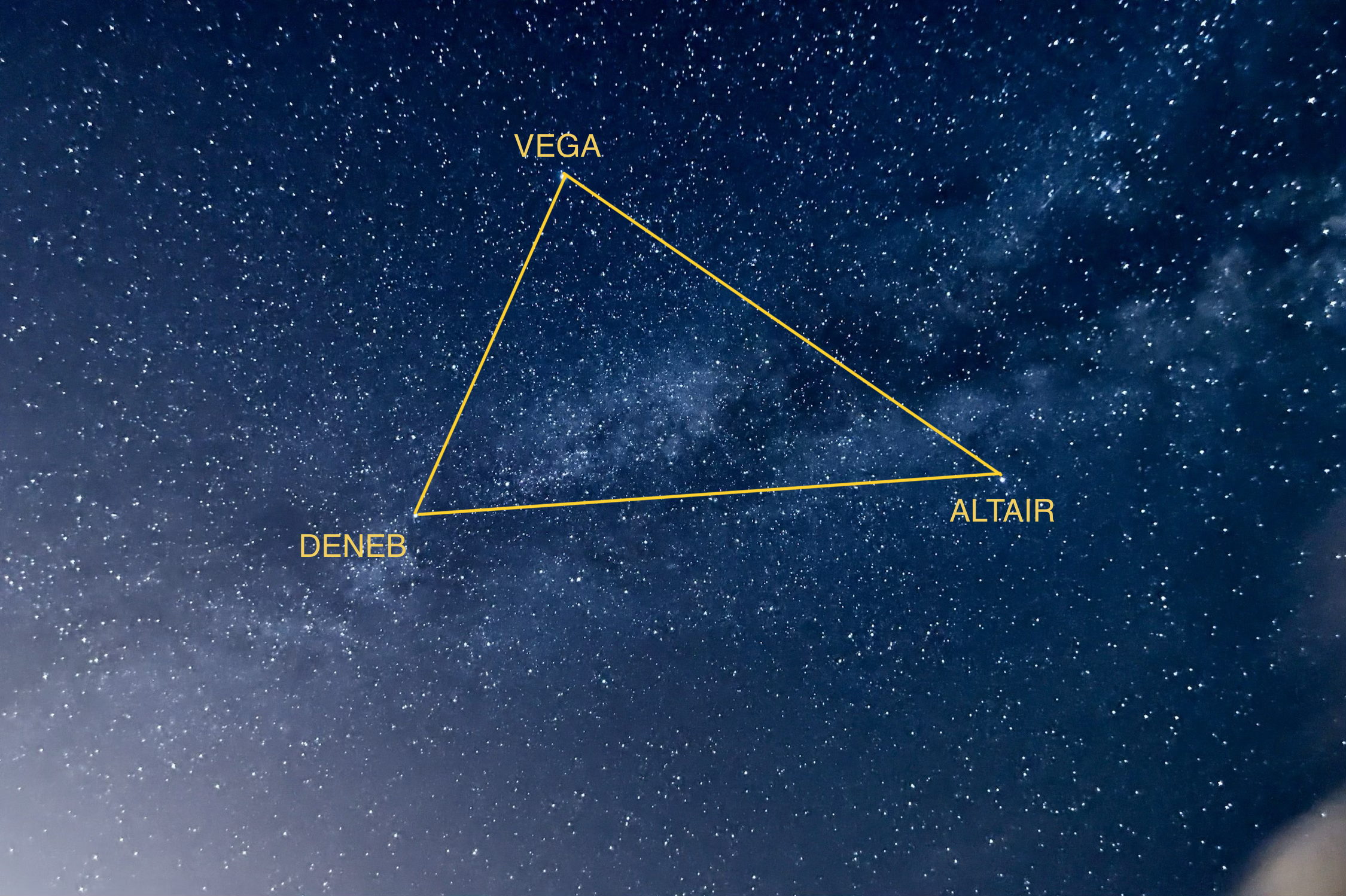
Photo: Karen Moore (Lead Star Guide)

….Fuerteventura is positioned close to the equator, so the Summer Triangle behaves a bit differently here than it does in mainland Europe. It climbs incredibly high, eventually sitting directly overhead by midnight. It is also one of the easiest ways for beginners to find the Milky Way. Under Fuerteventura’s dark skies, the galaxy’s glowing river of stars stretches across the Summer Triangle, offering a spectacular introduction to our home galaxy. 

Here is how to find the Summer Triangle from the beaches, dunes, and volcanic viewpoints of Fuerteventura right now:

..

Fuerteventura está situada cerca del ecuador, por lo que el Triángulo de Verano se comporta de manera un poco diferente aquí que en la Europa continental. Asciende a una altura increíble, llegando a situarse directamente sobre la cabeza a medianoche. Además, es una de las formas más sencillas para que los principiantes encuentren la Vía Láctea. Bajo los cielos oscuros de Fuerteventura, el río brillante de estrellas de la galaxia se extiende a través del Triángulo de Verano, ofreciendo una introducción espectacular a nuestra galaxia.

Aquí te explicamos cómo encontrar el Triángulo de Verano desde las playas, dunas y miradores volcánicos de Fuerteventura en este momento:

….

….Meet the Three Cosmic Anchors.. Conoce las tres anclas cósmicas ….

….The triangle is made up of three incredibly bright stars, visible even under the glare of the Full Moon. .. El triángulo está formado por tres estrellas increíblemente brillantes, visibles incluso bajo el resplandor de la Luna Llena. ….

….First up is Vega, which forms the highest and brightest point of the trio. Located in the small constellation of Lyra (the Harp), Vega is the fifth-brightest star in the entire night sky. It shines with a brilliant, unmistakable bright white tint that makes it incredibly easy to pick out. .. En primer lugar está Vega, que forma el punto más alto y brillante del trío. Situada en la pequeña constelación de Lira (el Arpa), Vega es la quinta estrella más brillante de todo el cielo nocturno. Brilla con un tinte blanco brillante e inconfundible que la hace increíblemente fácil de distinguir.

….

….To the lower left of Vega, you will find Deneb, marking the tail of Cygnus (the Swan). Deneb is a mind-boggling white supergiant star. Even though it looks roughly as bright as the other two stars to our naked eyes, it is actually located over 1600 light-years away from us. It is so massive that it’s light easily pierces across the depths of time to shine bright over the summer nights. .. Abajo a la izquierda de Vega encontrarás a Deneb, que marca la cola de Cisne (el Cisne). Deneb es una estrella supergigante blanca alucinante. Aunque a simple vista parece casi tan brillante como las otras dos estrellas, en realidad se encuentra a más de 1600 años luz de nosotros. Es tan masiva que su luz atraviesa fácilmente las profundidades del tiempo para brillar con fuerza en las noches de verano. ….

….Completing the shape at the bottom right is Altair, the eye of Aquila (the Eagle). In stark contrast to Deneb, Altair is a close neighbour of ours, sitting just 19 light-years away. ..

Completando la forma en la parte inferior derecha está Altair, el ojo de Águila (el Águila). En marcado contraste con Deneb, Altair es una vecina cercana, situada a solo 19 años luz de distancia.

….

….How to Find It from Fuerteventura over Summer months.. Cómo encontrarlo desde Fuerteventura durante los meses de verano ….

….Step 1: Timing is everything .. Paso 1: El momento adecuado lo es todo….

….Head outside after the sky gets fully dark, around 22:30. Walk away from the direct glare of hotel streetlights in places like Corralejo or Caleta de Fuste. .. Sal afuera una vez que el cielo se vuelva completamente oscuro, alrededor de las 22:30. Aléjate del resplandor directo de las farolas de los hoteles en lugares como Corralejo o Caleta de Fuste. ….

….Step 2: Look toward the East..Paso 2: Mira hacia el Este….

….Face east-northeast. Tilt your head up, way up. The first star to catch your eye will be Vega. It is so bright that it easily grabs your attention. .. Oriéntate hacia el este-noreste. Inclina la cabeza hacia arriba, bien arriba. La primera estrella que te llamará la atención será Vega. Es tan brillante que capta tu atención fácilmente. ….

….Step 3: Drop down and left for Deneb ..Paso 3: Baja hacia la izquierda para encontrar a Deneb….

….Look to the lower left of Vega (about the distance of an outstretched hand at arm's length). You will spot Deneb, which marks the tail of Cygnus the Swan, with its open wings, flying through the night sky. .. Mira hacia abajo y a la izquierda de Vega (aproximadamente a la distancia de una mano extendida con el brazo estirado). Localizarás a Deneb, que marca la cola de Cygnus, el Cisne, que vuela por el cielo nocturno con sus alas desplegadas. ….

….Step 4: Complete the shape with Altair..Paso 4: Completa la forma con Altair….

….Look to the lower right of Vega to find Altair. You have now connected the dots to complete the massive celestial triangle. .. Mira hacia abajo y a la derecha de Vega para encontrar a Altair. Ahora has conectado los puntos para completar el enorme triángulo celestial. ….


….The Secret Reward: Tracking the Milky Way..Paso 5: La recompensa secreta: localizar la Vía Láctea….
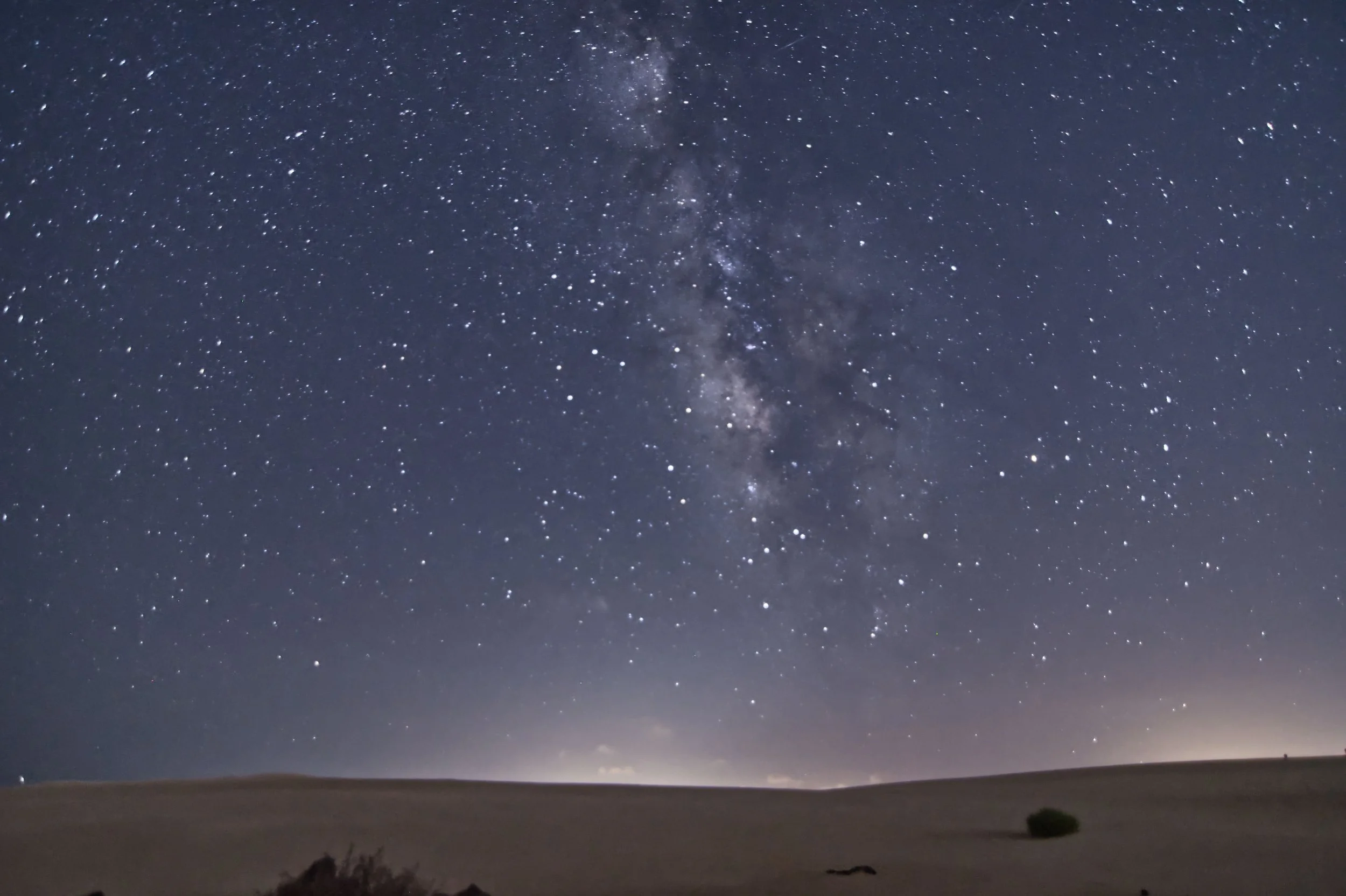
CORRALEJO DUNES & MILKY WAY

….Finding the Summer Triangle is only the beginning. The real reward comes once your eyes have fully adjusted to the darkness, allow around 15 to 20 minutes, and avoid looking at your phone or any other bright light sources. Don’t forget to check the Moon phase, as at even 40% illumination the Milky Way will start to disappear. .. Localizar el Triángulo de Verano es solo el comienzo. La verdadera recompensa llega una vez que tus ojos se han adaptado por completo a la oscuridad,deja pasar entre 15 y 20 minutos, y evitas mirar el teléfono o cualquier otra fuente de luz intensa. No olvides consultar la fase lunar, ya que, con tan solo un 40 % de iluminación, la Vía Láctea empezará a desaparecer. ….

….From one of Fuerteventura's dark-sky locations, you'll soon notice a soft, misty band of light stretching across the night sky and passing directly through the triangle. This is the Milky Way, the combined light of billions of distant stars within our home galaxy.  .. Desde una de las ubicaciones con cielos oscuros de Fuerteventura, pronto notarás una franja de luz suave y brumosa que se extiende a través del cielo nocturno y pasa directamente por el triángulo. Se trata de la Vía Láctea, la luz combinada de miles de millones de estrellas distantes dentro de nuestra propia galaxia. ….

Deneb lies almost directly within this glowing river of stars, while Vega and Altair sit on either side, making the Summer Triangle a perfect signpost for tracing the Milky Way across the sky. .. Deneb se encuentra casi directamente dentro de este río brillante de estrellas, mientras que Vega y Altair se sitúan a ambos lados, lo que convierte al Triángulo de Verano en una señal perfecta para rastrear la Vía Láctea a lo largo del cielo. ….
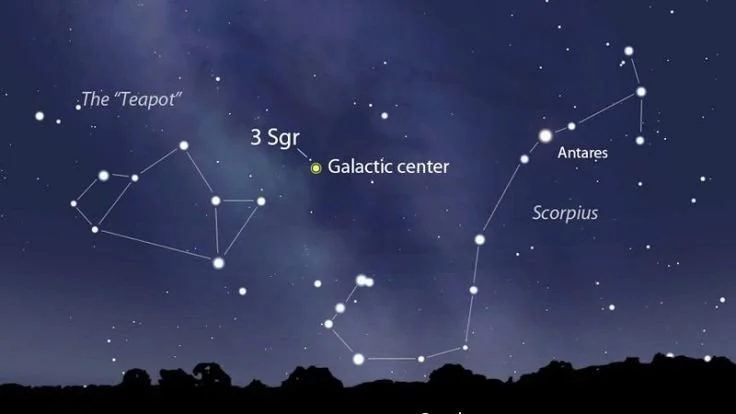
THE TEAPOT AND SCORPIUS.

photo: EARTHSKY.ORG

….Follow this celestial river towards the southern horizon and you'll eventually reach two of summer's most recognisable constellations: Sagittarius and Scorpius. Sagittarius is famous for the distinctive outline of its brightest stars, which resemble a teapot, while Scorpius is instantly recognisable by its long, curved tail and the brilliant red star Antares, marking the scorpion's heart. .. Sigue este río celestial hacia el horizonte sur y eventualmente llegarás a dos de las constelaciones más reconocibles del verano: Sagitario y Escorpio. Sagitario es famosa por el contorno distintivo de sus estrellas más brillantes, que se asemejan a una tetera, mientras que Escorpio es reconocible al instante por su larga cola curvada y la brillante estrella roja Antares, que marca el corazón del escorpión. ….
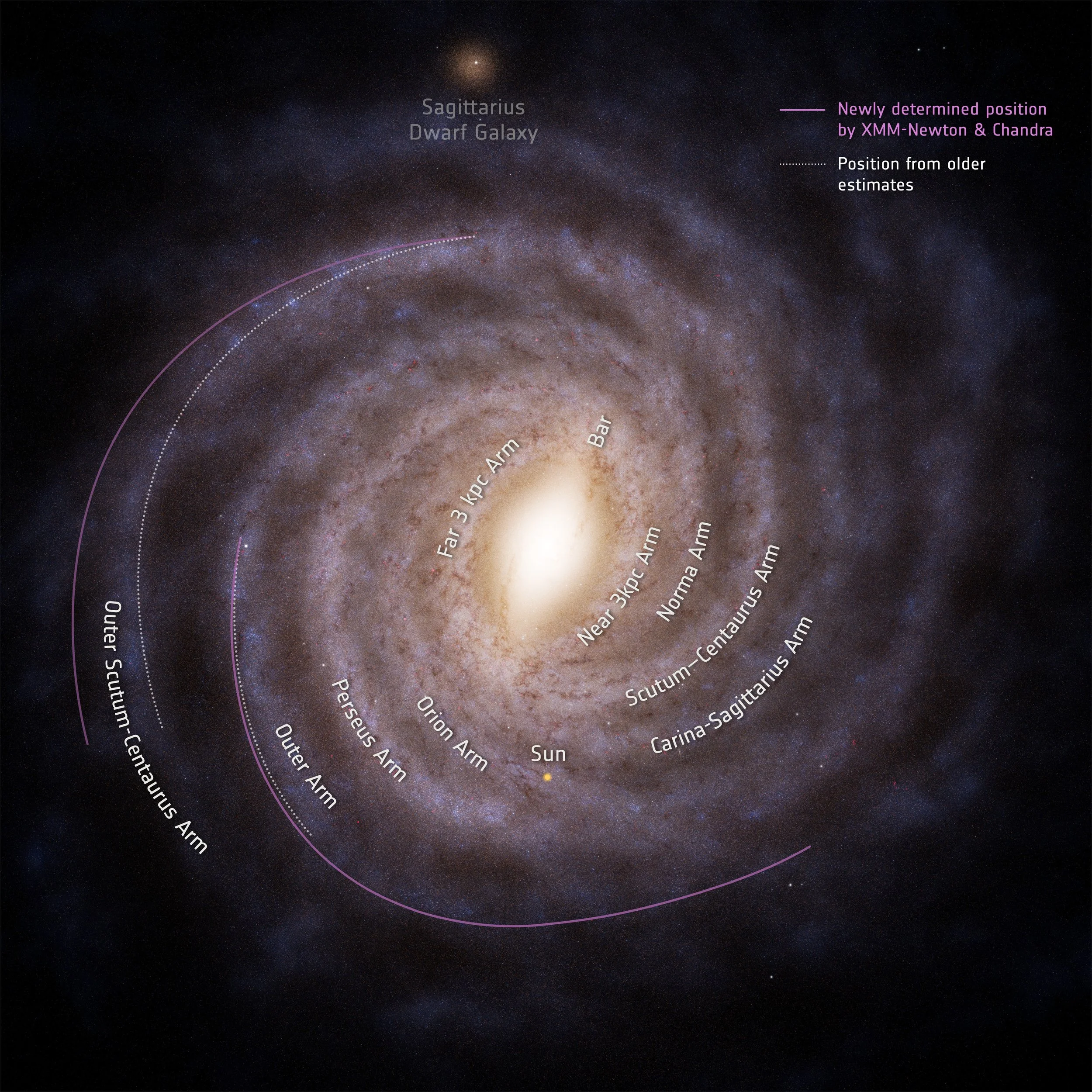
MILY WAY´S OUTER ARMS

Photo: IFScience.com

….This is where the Milky Way is at its most spectacular. Looking towards Sagittarius, you're gazing into the direction of the galactic centre, where the star clouds become brighter, denser and richer than anywhere else in the night sky. Here, the Milky Way glows with exceptional brilliance as countless stars, nebulae and dark dust lanes merge into one breathtaking panorama. We believe that our Galaxy is spiral in shape, with up to 6 arms. Earth is located in the Orion Arm and we have the Perseus Arm passing through the Summer Triangle and the Sagittarius Arm passing from the tail of the Scorpion over Sagittarius. 

The Summer Triangle is far more than a simple pattern of stars. It is a reliable guide that opens the door to exploring our galaxy and a reminder that you don't need expensive equipment to enjoy the wonders of the universe. Under Fuerteventura's exceptionally dark skies, three bright stars are all it takes to begin an unforgettable journey through the cosmos.

So, the next time you find yourself beneath the Majorero sky, look up, find the Summer Triangle, and let it guide you across the Milky Way. Happy stargazing!

..

Aquí es donde la Vía Láctea se muestra en todo su esplendor. Al mirar hacia Sagitario, estás contemplando la dirección del centro galáctico, donde las nubes de estrellas se vuelven más brillantes, densas y ricas que en cualquier otra parte del cielo nocturno. Aquí, la Vía Láctea brilla con un esplendor excepcional a medida que innumerables estrellas, nebulosas y franjas de polvo oscuro se funden en un panorama impresionante. Se cree que nuestra galaxia tiene forma de espiral, con hasta seis brazos. La Tierra está ubicada en el Brazo de Orión, mientras que el Brazo de Perseo pasa a través del Triángulo de Verano y el Brazo de Sagitario se extiende desde la cola del Escorpión sobre Sagitario.

El Triángulo de Verano es mucho más que un simple patrón de estrellas. Es una guía fiable que abre las puertas a la exploración de nuestra galaxia y un recordatorio de que no se necesita un equipo costoso para disfrutar de las maravillas del universo. Bajo los cielos excepcionalmente oscuros de Fuerteventura, tres estrellas brillantes son todo lo que hace falta para comenzar un viaje inolvidable a través del cosmos.

Así que, la próxima vez que te encuentres bajo el cielo majorero, mira hacia arriba, busca el Triángulo de Verano y deja que te guíe a través de la Vía Láctea. ¡Feliz observación de las estrellas!

….
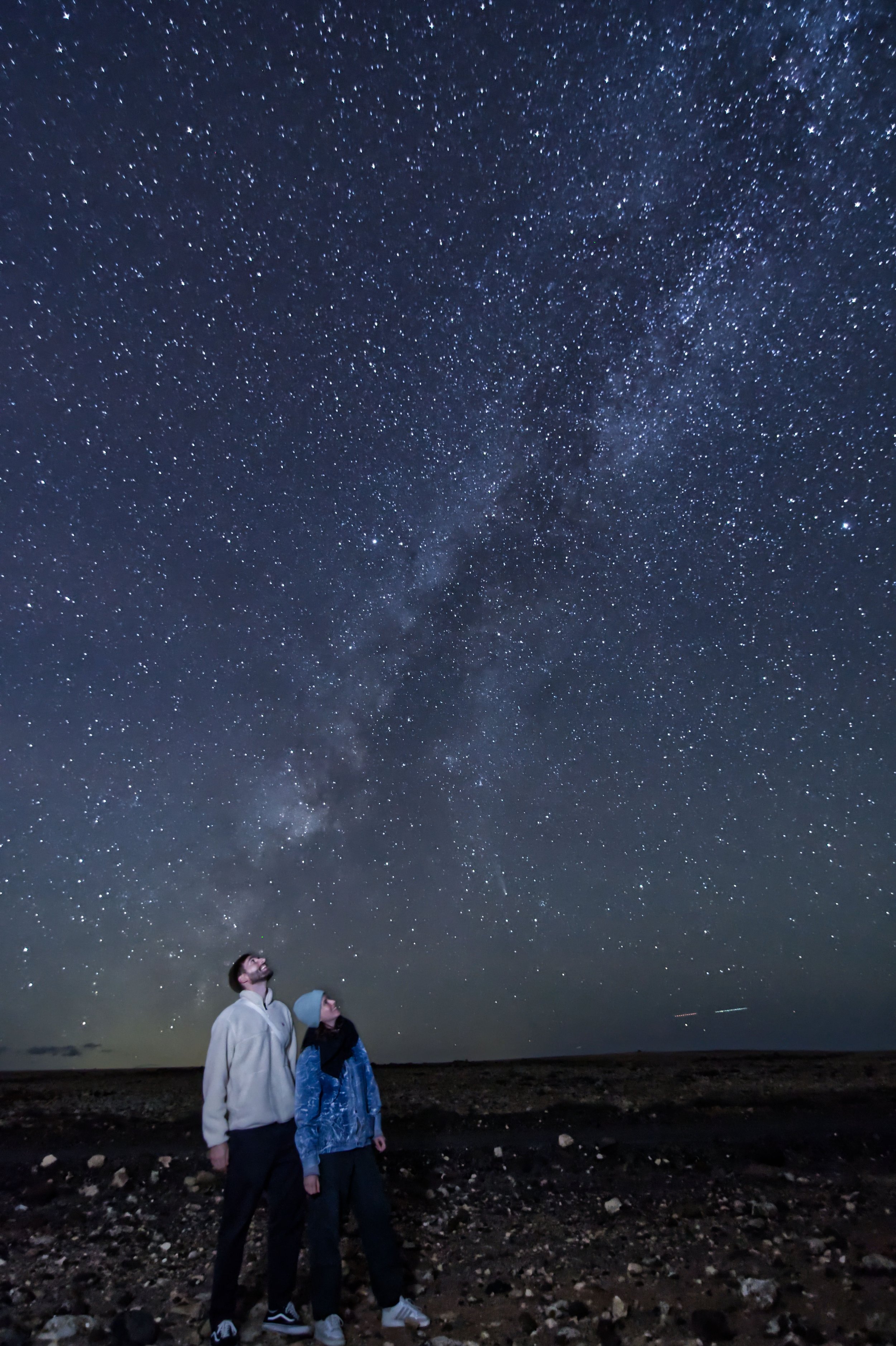
....Fuerteventura’s Milky Way: When to Witness the Galactic Core..La Vía Láctea en Fuerteventura: cuándo contemplar el núcleo galáctico....

….Fuerteventura isn’t just about golden beaches and volcanic landscapes. As one of Europe’s last sanctuaries with minimal light pollution, this Canary Island provides a front-row view of the Milky Way’s glittering core, where billions of stars converge into a celestial river. But when is this galactic marvel visible from Fuerteventura? .. Fuerteventura no es solo playas doradas y paisajes volcánicos. Al ser uno de los últimos santuarios de Europa con una contaminación lumínica mínima, esta isla canaria ofrece una vista privilegiada del resplandeciente núcleo de la Vía Láctea, donde miles de millones de estrellas convergen en un río celestial. Pero, ¿cuándo se puede contemplar esta maravilla galáctica desde Fuerteventura? ….

….Fuerteventura: Europe’s Cosmic Portal.. Fuerteventura: el portal cósmico de Europa….

….Geography Meets Astronomy The island is situated around 28° north of the equator. An incredible window to the Universe, with the whole of the Northern hemisphere and a large part of the Southern hemisphere being visible. The Milky Way, referring to the Sagittarius Arm and the Perseus Arm, are present in our sky for around 6 months of the Year! However, timing is everything as best viewing is when there is NO moon in the sky. Even with only 25% illumination, stars start to disappear and at 75% illumination the Milky Way is no longer visible.

Being an ancient volcanic island, with a fairly small population means that we have incredibly dramatic and beautifully wild and dark locations to observe this phenomena with your naked eyes, and also take some awesome photos! ..

La geografía se une a la astronomía. La isla está situada a unos 28° al norte del ecuador. Es una ventana increíble al universo, desde la que se puede ver todo el hemisferio norte y gran parte del hemisferio sur. ¡La Vía Láctea, concretamente el brazo de Sagitario y el brazo de Perseo, están presentes en nuestro cielo durante unos seis meses al año! Sin embargo, el momento lo es todo, ya que la mejor observación se produce cuando NO hay luna en el cielo. Incluso con solo un 25 % de iluminación, las estrellas empiezan a desaparecer y, con un 75 % de iluminación, la Vía Láctea ya no es visible.

Al ser una antigua isla volcánica con una población bastante reducida, contamos con lugares increíblemente espectaculares, bellos, salvajes y oscuros para observar este fenómeno a simple vista, ¡y también para hacer unas fotos impresionantes! ….

….When to Go: Milky Way visibility shifts slightly yearly due to Earth’s orbit. For 2026, core viewing begins in April, rising in the early hours of the morning, through to mid October, with optimal conditions from June to August.

Observing the Milky Way, with its billions of stars flowing through the night sky can leave you feeling a little small! It is that funny old paradox, you are completely insignificant but at the same time completely significant.

If you want to catch the Milky Way during our observations book in from mid June to mid October. BUT always check moon phase before planning a trip! ..

Cuándo ir: La visibilidad de la Vía Láctea varía ligeramente cada año debido a la órbita de la Tierra. En 2026, el periodo de observación principal comienza en abril, cuando sale en las primeras horas de la mañana y se prolonga hasta mediados de octubre, con condiciones óptimas de junio a agosto.

¡Observar la Vía Láctea, con sus miles de millones de estrellas surcando el cielo nocturno, puede hacerte sentir un poco pequeño! Es esa vieja y curiosa paradoja: eres completamente insignificante, pero al mismo tiempo completamente significativo.

Si quieres contemplar la Vía Láctea durante nuestras observaciones, reserva tu plaza desde mediados de junio hasta mediados de octubre. ¡PERO comprueba siempre la fase lunar antes de planificar un viaje! ….

Check here at: TimeandDate

…. Ideal Viewing Times .. Horarios ideales para observarla ….

…. May: core visible around midnight .. Mayo: el núcleo es visible alrededor de la medianoche….

….June: core visible from 11pm..Junio: el núcleo es visible a partir de las 23:00….

….July - September: visible from 10 PM ..Julio - septiembre: visible a partir de las 22:00 ….

….October: Catch it right after sunset (~8:30 PM). ..Octubre: se puede ver justo después de la puesta de sol (alrededor de las 20:30). ….

….Weather & Challenges..Clima y dificultades….

….Calima: Sahara dust storms (can haze skies). .. Calima: tormentas de polvo del Sáhara (pueden provocar neblina en el cielo). ….

….Moon phase: with only 25% illumination of the Moon, the Milky Way will start to disappear. Check Moon phase, including time of rising and setting to not be disappointed. .. Fase lunar: con solo un 25 % de iluminación de la Luna, la Vía Láctea empezará a desaparecer. Consulta la fase lunar, incluyendo la hora de salida y puesta, para no llevarte una decepción. ….

….Why Book a Guided Tour?..¿Por qué reservar una visita guiada?….

….Local expertise: Professional Guides with a passion to share their knowledge. ..Conocimiento de la zona: guías profesionales con ganas de compartir sus conocimientos. ….

….Gear included: Telescopes, binoculars and Lazer pointer, camera, rugs and blankets. Transport. .. Equipo incluido: telescopios, prismáticos, puntero láser, cámara, alfombras y mantas. Transporte. ….

….Photography-Focused: knowledge of all the best shooting locations .. Enfocado a la fotografía: conocimiento de los mejores lugares para hacer fotos. ….

….Tips:..Consejos:….

….Use a star tracker app: Stellarium or PhotoPills to locate the Milky Way..Utiliza una aplicación de seguimiento de estrellas, como Stellarium o PhotoPills, para localizar la Vía Láctea. ....

….Shoot with F2.8 or wider and sterdy tripod..Haz las fotos con una apertura de F2,8 o mayor y un trípode estable…..

….Shoot in RAW format to capture maximum detail for editing. .. Dispara en formato RAW para capturar el máximo detalle de cara a la edición. ….

….Dress warmly: Desert temps drop sharply at night. .. Abrígate bien: las temperaturas del desierto bajan mucho por la noche. ….

….Don’t Miss the Cosmic Show - with most of us living in light polluted cities, the stars are lost. Spending time in the darkness surrounded by the volcanic dessert landscape is a moment to re connect with Nature, with ourselves. To witness the Milky Way has got to be on the bucket list! ..

No te pierdas este espectáculo cósmico: como la mayoría vivimos en ciudades con contaminación lumínica, las estrellas se pierden de vista. Pasar un rato en la oscuridad, rodeado del paisaje desértico volcánico, es un momento para volver a conectar con la naturaleza y con nosotros mismos. ¡Contemplar la Vía Láctea tiene que estar en tu lista de cosas que hacer antes de morir! ….

Milky Way over Fuerteventura

....The Magic of Meteors: Shooting Stars, Fireballs, and Cosmic Debris.. La magia de los meteoros: estrellas fugaces, bolas de fuego y escombros cósmicos....

….Have you ever gazed at the inky expanse of a clear night sky and witnessed a fleeting streak of light, a "shooting star" gracefully slicing through the darkness? It's a magical moment, a reminder of the vast universe surrounding us. But what exactly are these celestial sparklers, and when's the best time to catch them? Meteors, those breathtaking "shooting stars", are among the most accessible and awe-inspiring astronomical phenomena. Let's explore what they are, their origins, and why they illuminate the night. .. ¿Alguna vez has contemplado la inmensidad oscura de un cielo nocturno despejado y has visto un fugaz trazo de luz,una «estrella fugaz», surcando con elegancia la oscuridad? Es un momento mágico, un recordatorio del vasto universo que nos rodea. Pero ¿qué son exactamente estas centellas celestiales y cuál es el mejor momento para verlas? Los meteoros ,esas impresionantes «estrellas fugaces», se cuentan entre los fenómenos astronómicos más accesibles y fascinantes. Exploremos qué son, cuál es su origen y por qué iluminan la noche. .…

….Why Do Some Meteors Glow Different Colors?..
¿Por qué algunos meteoros brillan con diferentes colores?….

….As a meteoroid plunges into Earth's atmosphere at incredible speeds, friction with the air molecules generates intense heat. This heat causes the meteoroid to vaporize, and the atoms within it become excited. When these excited atoms return to their normal energy state, they emit light at specific wavelengths, which we perceive as different colors. Think of it like a cosmic fireworks display! The colour depends on two things:

.. Cuando un meteoroide se precipita hacia la atmósfera terrestre a velocidades increíbles, la fricción con las moléculas de aire genera un calor intenso. Este calor provoca la vaporización del meteoroide y hace que sus átomos se exciten. Cuando estos átomos excitados regresan a su estado energético normal, emiten luz a longitudes de onda específicas, lo que percibimos como diferentes colores. ¡Imagínelo como un espectáculo de fuegos artificiales cósmicos! El color depende de dos factores: ….

….Speed & Temperature..Velocidad y temperaturA….

  • ….Faster meteors (like those from the Perseid shower) burn hotter and often appear white or blue. .. Los meteoros más rápidos (como los de la lluvia de las Perseidas) se queman a mayor temperatura y a menudo aparecen de color blanco o azul. ….

  • ….Slower meteors (like the Leonids) may glow red or orange…Los meteoros más lentos (como las Leónidas) pueden brillar con un tono rojo o naranja. ….

….Chemical Composition..Composición química….

….When a meteoroid burns up, its minerals ionize the air, creating different hues: .. Cuando un meteoroide se desintegra, sus minerales ionizan el aire, creando diferentes tonalidades: ….

…. Yellow/Orange - Sodium .. Amarilla / Naranja - Sodio ….

….Yellow: Can also be sodium, but sometimes iron. .. Amarilla: También puede ser sodio, pero a veces hierro. ….

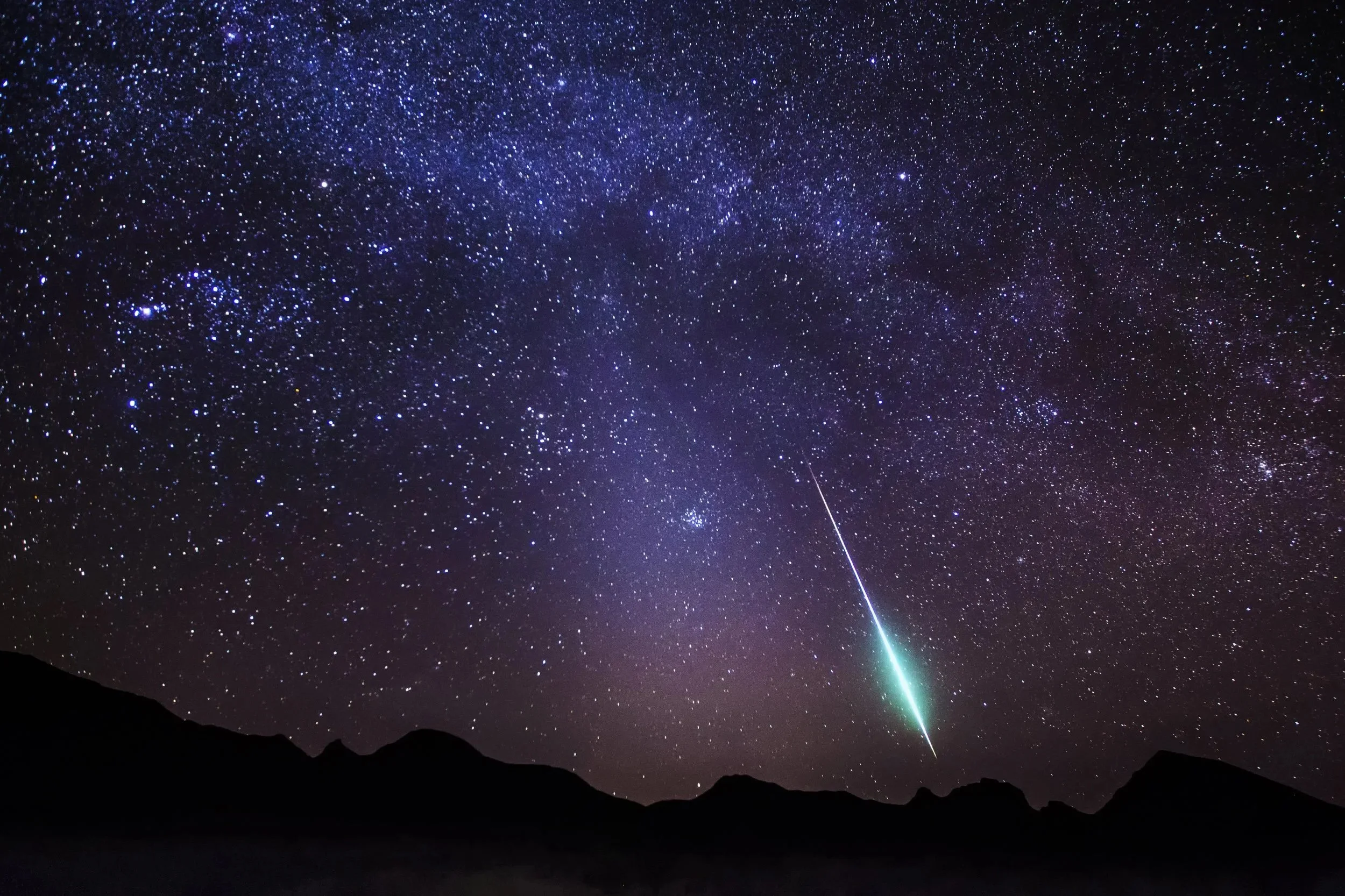
…. Green - Magnesium, Nickel .. Verde - Magnesio, Níquel ….

…. Blue - Ionized Calcium .. Azul - Calcio ionizado ….

…. Red - Atmospheric Nitrogen & Oxygen .. Rojo: nitrógeno y oxígeno atmosféricos ….

….What Is a Meteor?..¿Qué es un meteoro?….

…. Earth’s Rotation & Orbit: Imagine Earth as a car driving through rain—the windshield (the side facing forward) catches more raindrops than the rear window. .. Rotación y órbita de la Tierra: Imagina la Tierra como un coche circulando bajo la lluvia: el parabrisas (la parte orientada hacia adelante) recibe más gotas de lluvia que la luneta trasera. ….

  • ….Before Midnight: You’re on Earth’s "trailing" side, so only fast-moving meteors can catch up. ..
    Antes de la medianoche: te encuentras en el lado de la Tierra que va a la zaga, por lo que solo los meteoros de gran velocidad pueden alcanzarte. ….

  • ….After Midnight: You’re on the "leading" side, plowing directly into space debris, resulting in more frequent and brighter meteors. .. Después de la medianoche: te encuentras en el lado de «avance», adentrándote directamente en los desechos espaciales, lo que da lugar a meteoros más frecuentes y brillantes. ….

….A meteor, often called a shooting star or falling star, is the flash of light we see when a small piece of space debris (a meteoroid) burns up as it enters Earth's atmosphere due to friction. ..
Un meteoro, a menudo llamado estrella fugaz o estrella que cae, es el destello de luz que vemos cuando un pequeño fragmento de basura espacial (un meteoroide) se quema al entrar en la atmósfera terrestre debido a la fricción. ….

  • …. Meteoroid: A tiny rock or dust particle floating in space (usually from comets or asteroids). .. Meteoroide: Una roca diminuta o partícula de polvo que flota en el espacio (generalmente proveniente de cometas o asteroides). ….

  • …. Meteor: The bright streak of light produced as the meteoroid vaporizes. .. Meteoro: El brillante trazo de luz producido cuando el meteoroide se vaporiza. ….

  • …. Meteorite: If a meteoroid survives its fiery descent and hits the ground, it earns this name. .. Meteorito: Si un meteoroide sobrevive a su ardiente descenso y choca contra el suelo, recibe este nombre. …..

….Most meteors are caused by particles no larger than a grain of sand, yet they create dazzling displays as they disintegrate at speeds of 30,000 to 160,000 mph! .. La mayoría de los meteoros son causados ​​por partículas no mayores que un grano de arena; sin embargo, crean espectáculos deslumbrantes al desintegrarse a velocidades de entre 30.000 y 160.000 millas por hora. ….

….Fireballs & Bolides: When Meteors Put on a Show.. Bólidos y bolas de fuego: cuando los meteoros ofrecen un espectáculo ….

….While most shooting stars are caused by tiny dust grains, a more spectacular event occurs when a larger meteoroid, typically pebble-sized or bigger, slams into our atmosphere. The increased mass and speed generate significantly more energy, resulting in an ultra-bright fireball.Occasionally, a larger meteoroid (pebble-sized or bigger) enters the atmosphere, creating an ultra-bright fireball. .. Si bien la mayoría de las estrellas fugaces son causadas por diminutos granos de polvo, ocurre un fenómeno más espectacular cuando un meteoroide de mayor tamaño —típicamente del tamaño de un guijarro o más grande— choca contra nuestra atmósfera. Su mayor masa y velocidad generan mucha más energía, dando lugar a una bola de fuego extremadamente brillante. Ocasionalmente, un meteoroide de mayor tamaño (del tamaño de un guijarro o superior) entra en la atmósfera y crea una bola de fuego extremadamente brillante. ….

  • ….Fireball: A meteor brighter than Venus (can even cast shadows!). ..
    Bola de fuego: Un meteoro más brillante que Venus (¡incluso puede proyectar sombras!). ….

  • ….Bolide: A fireball that explodes (sometimes with a sonic boom). .. Bólido: Una bola de fuego que explota (a veces con un estampido sónico). ….

….Busting the Myth: Shooting Stars Aren't Dying Stars.. Desmintiendo el mito: las estrellas fugaces no son estrellas que mueren. ….

….Shooting stars have nothing to do with actual stars. Stars are enormous, light-years away. What we see is a tiny particle, often no bigger than a grain of dust (called a meteoroid), burning up in our atmosphere due to friction. .. Las estrellas fugaces no tienen nada que ver con las estrellas reales. Las estrellas son enormes y se encuentran a años luz de distancia. Lo que vemos es una partícula diminuta —a menudo no mayor que un grano de polvo (llamada meteoroide)— que se quema en nuestra atmósfera debido a la fricción. ….

  • …. Stars (like our Sun) are massive, distant balls of plasma. .. Las estrellas (como nuestro Sol) son enormes y lejanas esferas de plasma. ….

  • …. Meteors are tiny space rocks burning up in our atmosphere—some as small as a grain of dust! .. Los meteoros son diminutas rocas espaciales que se consumen al entrar en nuestra atmósfera; ¡algunas son tan pequeñas como un grano de polvo! ….

….So, the next time you make a wish upon a shooting star, remember that you're wishing on a tiny speck of cosmic dust making its dramatic, albeit brief, entrance into our world. .. Así que, la próxima vez que pidas un deseo al ver una estrella fugaz, recuerda que se lo estás pidiendo a una diminuta mota de polvo cósmico que hace su espectacular, aunque breve, aparición en nuestro mundo. ….

PHOTO: Simon Waldram @fuerteshoot

….Meteorites: When Space Rocks Reach Earth..Meteoritos: cuando las rocas espaciales llegan a la Tierra….

….Few meteoroids survive their plunge to Earth, but those that do become meteorites. There are three main types: ..Pocos meteoroides sobreviven a su caída hacia la Tierra, pero los que lo hacen se convierten en meteoritos. Existen tres tipos principales:….

….1. Stony (Chondrites) – Most common, made of silicate minerals. ..1. Rocosos (condritas) – Los más comunes; compuestos por minerales de silicato. ….

….2. Iron – Dense, metallic, often from asteroid cores. .. 2. Hierro – Denso, metálico, a menudo proveniente de núcleos de asteroides. ….

….3. Stony-Iron – A rare mix of both. .. 3.Siderolito – Una mezcla poco común de ambos. ….

….9 of the most famous meteorites in history, known for scientific importance, size, or dramatic falls:.. 9 de los meteoritos más famosos de la historia, conocidos por su importancia científica, su tamaño o sus espectaculares caídas: ….

….Hoba Meteorite (Largest Intact Meteorite)..
Meteorito Hoba (el meteorito intacto más grande)….

…. Location: Namibia, Africa .. Ubicación: Namibia, África ….
…. Weight: 60 tons (largest single meteorite on Earth) .. Peso: 60 toneladas (el meteorito individual más grande de la Tierra) ….
…. Discovered: 1920 .. Descubierto: 1920 ….
…. Type: Iron (84% Fe, 16% Ni) .. Tipo: Hierro (84 % Fe, 16 % Ni) ….
…. Impact: Never moved—still in its original impact site! .. Impacto: Nunca se movió; ¡sigue en su lugar de impacto original! ….

…. Allende Meteorite (Most Studied Carbonaceous Chondrite)..
Meteorito Allende (la condrita carbonácea más estudiada) ….

…. Location: Chihuahua, Mexico .. Ubicación: Chihuahua, México ….
…. Weight: 2 tons (fell as thousands of fragments) .. Peso: 2 toneladas (cayó en forma de miles de fragmentos) ….
…. When: 1969 (just before Apollo moon missions) .. Cuándo: 1969 (justo antes de las misiones lunares Apolo) ….
…. Type: CV3 Carbonaceous Chondrite .. Tipo: Condrita carbonácea CV3 ….
…. Importance: Contains pre-solar grains (older than the Sun!) .. Importancia: Contiene granos presolares (¡más antiguos que el Sol!) ….

….Chelyabinsk Meteorite (Most Dramatic Modern Impact).. Meteorito de Cheliábinsk (el impacto moderno más espectacular) ….

…. Location: Chelyabinsk, Russia .. Ubicación: Cheliábinsk, Rusia ….
…. Weight: 1,400 kg (main fragment) .. Peso: 1.400 kg (fragmento principal) ….
…. When: Feb 15, 2013 (exploded mid-air, injuring 1,500+) .. Cuándo: 15 de febrero de 2013 (explotó en pleno vuelo, dejando más de 1.500 heridos) ….
…. Blast Force: 30x Hiroshima nuke (non-nuclear) .. Potencia de la explosión: 30 veces la de la bomba de Hiroshima (no nuclear) ….
…. Type: Ordinary Chondrite (LL5) .. Tipo: Condrita ordinaria (LL5) ….
…. Famous For: Viral dashcam videos of the explosion. .. Famosa por: Videos de dashcam virales de la explosión. ….

….Tunguska Event (Largest Meteor Airburst in History).. Evento de Tunguska (la mayor explosión aérea de un meteoro en la historia) ….

…. Location: Siberia, Russia .. Ubicación: Siberia, Rusia ….
…. Estimated Size: 50–100m wide (never found) .. Tamaño estimado: 50–100 m de ancho (nunca encontrado) ….
…. Event: June 30, 1908 (flattened 2,000 km² of forest) .. Evento: 30 de junio de 1908 (arrasó 2000 km² de bosque) ….
…. Energy: 10–15 megatons of TNT .. Energía: 10–15 megatones de TNT ….
…. Effect: Knocked people off feet 60 km away .. Efecto: Derribó a personas a 60 km de distancia. ….

….Murchison Meteorite (Life’s Building Blocks)..Meteorito de Murchison (los componentes básicos de la vida)….

…. Location: Victoria, Australia .. Ubicación: Victoria, Australia ….
…. Weight: 100 kg .. Peso: 100 kg ….
…. When:1969 .. Cuándo: 1969….
…. Type: CM2 Carbonaceous Chondrite .. Tipo: Condrita carbonácea CM2. ….
…. Key Discovery: Contains 70+ amino acids (some not found on Earth). .. Descubrimiento clave: Contiene más de 70 aminoácidos (algunos no se encuentran en la Tierra). ….

….Sikhote-Alin Meteorite (Largest Iron Meteor Shower).. Meteorito Sikhote-Alin (La mayor lluvia de meteoritos de hierro)….

…. Location: Siberia, Russia .. Ubicación: Siberia, Rus….
…. Weight: 23 tons (scattered fragments) .. Peso: 23 toneladas (fragmentos dispersos)….

…. When:Feb 12, 1947 .. Cuándo: 12 de febrero de 1947….
…. Type: Iron (IIAB) .. Tipo: Hierro (IIAB)….
…. Impact: Created 122 craters (largest is 26m wide) .. Impacto: Creó 122 cráteres (el mayor tiene 26 m de ancho). ….

….Canyon Diablo (Meteor Crater’s Origin) .. Cañón Diablo (Origen del cráter del meteorito) ….

…. Location: Arizona, USA.. Ubicación: Arizona, EE. UU. ….
…. Weight: 30 tons (fragments) .. Peso: 30 toneladas (fragmentos)….
…. Impact: 50,000 years ago .. Impacto: hace aproximadamente 50.000 años….
…. Type: Iron (IAB) .. Tipo: Hierro (IAB) …..
…. Legacy: Formed Barringer Crater (1.2 km wide) .. Legado: Se formó el cráter Barringer (de 1,2 km de ancho). ….

….Fukang Meteorite (Most Beautiful Pallasite) .. Meteorito de Fukang (Pallasita más hermosa) ….

…. Location: Xinjiang, China .. Ubicación: Xinjiang, China ….
…. Weight: 1,003 kg .. Peso: 1.003 kg ….
…. Found: 2000 .. Encontrada: 2000 ….
…. Type: Pallasite (olivine crystals in iron-nickel) .. Tipo: Palasita (cristales de olivino en hierro-níquel) ….
…. Appearance: Looks like stained glass when sliced .. Apariencia: Al cortarlo, parece vidrio tintado ….

…. Nakhla Meteorite (The "Mars Meteorite").. Meteorito Nakhla (el «meteorito de Marte») ….

…. Location: Egypt .. Ubicación: Egipto ….
…. Weight: 10 kg .. Peso: 10 kg ….
…. When:1911 (hit a dog, allegedly!) .. Cuándo: 1911 (¡supuestamente atropelló a un perro!)
…. Type: Martian (Shergottite) .. Tipo: Marciano (shergottita) ….
…. Importance: Proved Mars has water (contains hydrated minerals). .. Importancia: Demostró que Marte tiene agua (contiene minerales hidratados). ….


….Meteor Showers: Nature’s Fireworks Visible from Fuerteventura.. Lluvias de estrellas: fuegos artificiales de la naturaleza visibles desde Fuerteventura....

….1. Quadrantids..1. Cuadrántidas….

….

When: Late December – Early January (Peak: Jan 3–4)

Best Time:Pre-dawn hours

Rate: 60–120 meteors/hour (but brief peak)

Parent Body: Asteroid 2003 EH1 .. Cuerpo progenitor: Asteroide 2003 EH1

Notes: Fast, bright meteors; often has fireballs

..

Cuándo: Finales de diciembre – principios de enero (pico: 3-4 de enero)

Mejor momento: Horas previas al amanecer

Tasa: 60–120 meteoros/hora (aunque el pico es breve)

Cuerpo progenitor: Asteroide 2003 EH1

Notas: Meteoros rápidos y brillantes; a menudo produce bolas de fuego

….

….2. Lyrids.. 2. Líridas ….

….

When: Mid-April (Peak: Apr 21–22)

Best Time:After midnight

Rate:10–20 meteors/hour (sometimes outbursts)

Parent Body:Comet Thatcher (C/1861 G1)

Notes: Known for occasional bright fireballs.

..

Cuándo: Mediados de abril (pico: 21-22 de abril)

Mejor momento: Después de la medianoche

Tasa: 10-20 meteoros por hora (a veces se producen estallidos de actividad)

Cuerpo progenitor: Cometa Thatcher (C/1861 G1)

Notas: Conocida por producir ocasionalmente bolas de fuego brillantes.

….

….3.Perseids (Best for Summer Viewing!) ..3. Perseidas (¡La mejor para ver en verano!) ….

….

When: Mid-July – Late August (Peak: Aug 12–13)

Best Time: Late night to dawn

Rate: 50–100 meteors/hour

Parent Body: Comet Swift-Tuttle

Notes: Bright, fast meteors; great for warm summer nights

..

Cuándo: De mediados de julio a finales de agosto (pico: 12 y 13 de agosto)

Mejor momento: Desde última hora de la noche hasta el amanecer

Tasa: 50–100 meteoros por hora

Cuerpo progenitor: Cometa Swift-Tuttle

Notas: Meteoros brillantes y rápidos; ideal para las cálidas noches de verano

….

….4. Orionids.. 4.Oriónidas ….

….

When: October (Peak: Oct 20–21)

Best Time: After midnight

Rate:10–20 meteors/hour

Parent Body:Halley’s Comet

Notes: Fast meteors, often leaves persistent trains.

..

Cuándo: Octubre (pico: 20-21 de octubre)

Mejor momento: Después de la medianoche

Tasa: 10-20 meteoros por hora

Cuerpo progenitor: Cometa Halley

Notas: Meteoros rápidos; a menudo dejan estelas persistentes.

….

….5. Leonids..5.Leónidas….

….

When: Mid-November (Peak: Nov 17–18)

Best Time:L ate night to dawn

Rate: 10–15 meteors/hour (but can have storms every 33 years)

Parent Body: Comet Tempel-Tuttle

Notes: Famous for historic meteor storms (next big one 2033)

..

Cuándo: Mediados de noviembre (Pico: 17 y 18 de noviembre)

Mejor momento: Desde última hora de la noche hasta el amanecer

Tasa: 10–15 meteoros por hora (pero puede presentar tormentas aproximadamente cada 33 años)

Cuerpo progenitor: Cometa Tempel-Tuttle ….

Notas: Famosa por las tormentas de meteoros históricas (próxima grande 2033)

….

….6. Geminids (Best of the Year!)..
6. Gemínidas (¡La mejor del año!)….

….

When: Early–Mid December (Peak: Dec 13–14)

Best Time: After 10 PM

Rate: 100–150 meteors/hour

Parent Body: Asteroid 3200 Phaethon

Notes: Bright, slow meteors; one of the most reliable showers

..

Cuándo: Principios o mediados de diciembre (pico: 13 y 14 de diciembre)

Mejor momento: Después de las 10 p. m

Tasa: 100–150 meteoros/hora

Cuerpo progenitor: Asteroide 3200 Faetón

Notas: Meteoros brillantes y lentos; una de las lluvias más fiables

….

…. Meteor showers are one of nature’s most magical displays—reminding us that the universe is alive with wonder, even in our own cosmic backyard. Whether you’re a seasoned stargazer or a first-time observer, there’s nothing quite like the thrill of spotting a shooting star streak across the night sky. .. Las lluvias de estrellas son uno de los espectáculos más mágicos de la naturaleza; nos recuerdan que el universo está lleno de maravillas, incluso en nuestro propio patio trasero cósmico. Tanto si eres un observador experimentado como si es la primera vez que contemplas el cielo, no hay nada comparable a la emoción de ver una estrella fugaz surcando la noche. ….

....APRIL 2018 NIGHT SKY.. ABRIL 2018 CIELO NOCTURNO....

Startrails (1).jpg

....In April, Spring is back in plentitude: the daylight saving is now in progress and the days are longer, as well as the sweeter temperatures that invite us to enjoy the night sky. The great constellations of the winter, such as Orion and Taurus, are still high in the night sky, but they set down earlier and earlier towards the West, leaving the protagonism in the South to the big ship Argo, which carried the hero Jason and his crew in the known Greek myth. This huge constellation of ancient origin, now divided into 4 parts, is marked by the brilliant star Canopus, the second brightest of the sky, not visible from continental Europe. 

In the zodiacal zone, together with Leo high in the East, the nice Virgo brings back the myths related to Spring and the goddess Ceres, ancient patron of agriculture. In the following constellation, Libra, we find the king of the planets, Jupiter, who is finally back and fascinates us with his satellites and dark bands that a good telescope is able to reveal.

And, of course, the Moon is faithfully shining in the first days of April in her full phase, which will repeat by the end of the month. But if you love her, we recommend to observe her around the First Quarter, at the beginning of the last week. 

Clear skies to everybody!  ..

En Abril ya estamos de lleno en la primavera: ya ha entrado el horario de verano y los días se alargan, al mismo tiempo que las temperaturas más suaves invitan a disfrutar del cielo nocturno. Las grandes constelaciones de la estación invernal, como Orión o Tauro, siguen altas en el cielo, pero se ponen cada día más pronto en el Oeste, dejando el protagonismo en el Sur al navío Argo, que transportó el héroe Jasón y a sus compañeros en el famoso mito griego. Esta gran constelación de orígenes muy antiguos, ahora dividida en 4 partes, alberga a la brillante estrella Canopo, la segunda más luminosa del cielo, no visible desde la Europa continental.

En la zona zodiacal, con el León ya alto en el Este, la hermosa Virgo nos trae de vuelta los mitos griegos relacionados con la primavera y la diosa Ceres, antigua patrona de la agricultura. 

En la constelación que la sigue, Libra, ya se asoma el rey de los planetas, Júpiter, que nos fascina con sus satélites y sus bandas, que un buen telescopio pone a nuestro alcance.

Y la Luna no falta a su cita mensual, empezando abril con la fase de plenitud, que vuelve también en la última semana. Pero para observarla con más detalles, es recomendable la fase creciente, que este mes corresponde a la última semana.

¡Cielos despejados para todos!....

....JANUARY 2018 NIGHT SKY.. ENERO 2018 CIELO NOCTURNO....

Stand proud_.jpg

....The New Year starts with the Full Moon, a wonderful opportunity to enjoy a night walk along the beach during the Christmas holidays. However, in order to enjoy the Winter sky in all its beauty, we have to wait a few days more, when the most typical constellations of the epoch will acquire all their protagonism. 

The mythical hunter Orion, with his fantastic star nursery M42, is no doubt the most popular and easy-to-recognize, but we should not forget to admire the 2 animals accompanying him: the Great Dog and his very brilliant star Sirius, and the Small Dog with his aster Procyon.

In the Eastern Zodiacal zone, it's easy to locate the big triangle of Taurus, high in the night sky, with its yellowish star Aldebaran marking the eye of the bull, as well as Gemini with their twin stars Castor and Pollux, reminding us of the adventures of  these mythical twins. Not far from there, we can find the interesting constellation of Auriga, crossed by the Milky Way and rich in wonderful open clusters, among the most fantastic of the season.

Clear skies and .. Happy New Year to everybody!  ..

Este año 2018 empieza con la Luna llena, una magnifica ocasión para disfrutar de un paseo nocturno por la playa en estos días navideños. Pero, para apreciar al cielo invernal en todo su esplendor, habrá que esperar unos días, cuando las constelaciones más típicas de la temporada adquieran el protagonismo.

El mítico cazador Orión, con su fantástico criadero de estrellas M42, es sin duda la más llamativa y popular, pero no olvidemos de admirar a los perros que le acompañan: el Can Mayor y su brillantísima estrella Sirio, y el Can Menor con su astro Proción. 

En la zona zodiacal del Este, destaca el gran triángulo de Tauro, ya bien alto en el cielo nocturno, con la amarillenta Aldebarán marcando el ojo del toro, así como Gémini con sus brillantes astros 'gemelos' Castor y Pólux, que nos recuerdan las hazañas de estos mitológicos mellizos. No muy lejos está el llamativo pentágono de constelación de Auriga, atravesado por la Vía Láctea y rico en cúmulos abiertos de gran belleza, entre los más bonitos de esta época.

¡Cielos despejados y .. Próspero Año Nuevo para todos! ....

....NOVEMBER 2017 NIGHT SKY.. NOVEMBRE 2017 CIELO NOCTURNO....

StargazingPN.22.11.2017.4.jpg

....

Being already over the Daylight Saving time, November allows us to enjoy the night sky without  sacrificing our sleeping hours. In the first week of this month, the Moon is the protagonist with her full phase on the 4th day. Even with the naked eyes, we can distinguish darker areas (the 'seas') surrounded by clearer and whiter ones. A telescope can reveal ranges of mountains crossing her surface, craters of all sizes, islands in the middle of the seas and many other details that leave us astonished. A wonderful sight that nobody should miss!

As the big planets are not visible in this epoch, in the Autumn sky the beautiful constellations raising from the East draw our attention, being preceded by the bright cluster of the Pleyades. The Greek mythology tells us these seven sisters asked to be transformed into stars in order to escape from the giant Orion. In the Milky Way area nearby, Auriga (the 'big-driver') proposes his far but bright open cluster, as well as Taurus showing us his treasures, such as the Hyades, surrounding the brilliant yellowish star Aldebaran, marking the bull's eye.

Clear skies to everybody!  ..

Con la vuelta al horario de invierno, el mes de noviembre nos permite disfrutar  del cielo nocturno sin renunciar al sueño. En las primera semana del mes, la protagonista es la la Luna, que alcanza la fase de plenitud el día 4. Ya a simple vista se nota que en su superficie hay zonas más oscuras (los 'mares') y otras más claras y brillantes. El telescopio nos revela las cadenas de montañas que la surcan, así como cráteres de todos los tamaños, islas en el medio de los mares y un sinfín de detalles que nos dejan boquiabiertos. Un espectáculo que nadie debería perderse.

Ante la ausencia de los grandes planetas, en el cielo del otoño llaman la atención las bonitas constelaciones que están apareciendo en el horizonte Este, anunciadas por el brillante cúmulo de la Pléiades. La mitología griega cuenta que estas siete hermanas pidieron ser transformadas en estrellas para escapar al gigante Orión. En la cercana zona de la Vía Láctea, Auriga (el 'Cochero') nos trae sus bonitos y lejanos cúmulos abiertos, así como Tauro, que no quiere ser menos, nos propone tesoros como las Híades, que hacen de corona a la inconfundible estrella amarillenta Aldebaran, que marca el ojo del Toro.

¡Cielos despejados para todo! ....


CONVERSATION WITH ANDY, CARLY AND MARISA

I had a great email conversation with photography enthusiast Andy Bailey the other week that i had to share his questions with our resident photographer Carly Higgins and here were our  answers: 

MARISA AND ANDY

I sell a lot of full spectrum cameras to astrophotographers but I have never been able to use one here in the uk due to light pollution. 

1) would I need to use a full spectrum camera or would a unmodified one be ok?

2) where is the closest point to corralejo where I could capture the Milky Way.  Could I achieve this in a single image or would I need to stack several shots?

3) I understand that at around 28mm I could use a maximum exposure of around 30 seconds. Does that sound right?

Could you advise what settings you would use?

I have various compact, bridge and dslr camera to choose from but would like to carry something practical and as cheap as possible. 

Hi Andy

You don't have to use a full spectrum camera. Most of our photos are taken with dslr's. As a collective we own full frame Canon body's and 3/4sensor bodies. Our previous photographer and the founder are Nikon lovers. As you can see from our website: www.starsbynight.es and Instagram account: instagram.com/starsbynightfv/ you can still produce amazing photos with basic equipment. 

We are very lucky in Fuerteventura that you don't have to go too far out to see the milky way or to see stars at night. We do observations just 5mins away from the RIU hotel near the dunes which is about 10min drive from the centre of Corralejo. You won't really see the Milky way in April. From July onwards we have a good view but September/October are the best months to see it with with the naked eye. Yes, you can take a photo of this in a single image. 

As for your 28mm lens... well that depends if its a full frame, APSC or Micro4/3  camera, what fstop of your lens ( this will change the light qualities depending on what sensor size you have)? What iso? as a general rule and depending on what you are shooting - be it milky way or stars in general, or light/star trails  you would be looking at anything from minimum of 20sec-30secs for a night photo ( depending on what you are photographing). 

If you are specifically looking at taking night time photos i  would recommend bringing a dslr with the widest and brightest lens you have. If this is not what you have then a good start would be something with a lens that is f4 and/or brighter (f2.8, f2, f1.8, f1.2 - are nice to play with). Yet you can still take a good quality photo with even a standard 18-55 kit lens if its only milky way that you want to shoot. 


CARLY AND ANDY

"Have you ever tried using a Ricoh theta S fir astrophography"

No I have never tried 360 degree photography

"The Milky Way is the object that I wanted to try and capture. I have several apps on my phone to help track it. I guess planets and nebulas would potential need longer exposures and equatorial mount. " 

You can capture images of the planets (looking like stars) using only a DSLR and actually as some are very bright you don't need a long exposure, but If you are looking to take more deep space images yes you would need a very long exposure so an equatorial mount or tracker of some kind would be essential.

"This is the style of photo I'd like to achieve. Astroscape!  Is the following a series of images (foreground / background) or still just the one?"( see above picture for reference)

This is all one image in camera, where possible I prefer to do this and reduce processing time

"If it's easy to explain how would you achieve the above image? "

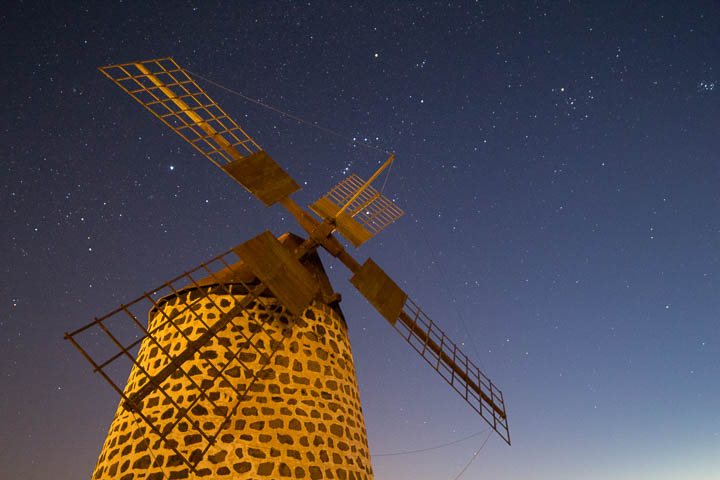
This image is just a single exposure of 15s at f/2.8 and ISO 2000 and would be very easy for even a beginner to take, its the kind of image we will learn to take on workshops. It was a beautiful clear night and the milky way was clearly visible to the naked eye. There is of course a little post processing in Photoshop

"Finally one last question, assuming there was a clear sky with no foreground subject like the windmill, how would you advise achieving the image of the Milky Way like it is in the image above (assuming I was using an APS C with kit lens)"

You would need to use your widest angle lens to get as much of the sky in as possible, if you have a kit lens I am guessing something like 18-55mm which on a crop sensor is equivalent to 27mm on full frame - not massive wide but definitely workable. You also want to use the lowest aperture possible f/2.8 or below if you have it. Using the 500 hundred rule (something else we teach on the workshop) you can workout how long an exposure (shutter speed) you can have without starting to get star trails. For 27mm I would recommend no more than 18 seconds. You will then need to adjust your ISO to get a properly exposed image balancing it against the other 2 elements of the exposure triangle Aperture and Shutter Speed. It would be really great to have you attend a workshop as I can demonstrate exactly how to capture and image like this and work with you to get exactly what you want.

To note: content has been edited slightly to remove places and dates. 

who is Andy Bailey: INFRAREADYUK & BESTGHOSTHUNTING


.... NOVEMBER 2016 NIGHT SKY.. El año 2016 DE NOVIEMBRE DE CIELO NOCTURNO....

.... At the beginning of November, the Milky Way is not as bright, but is still offering us a beautiful picture in the first hours of the night, towards the South-East. Planet Mars is easy to recognize after sunset due to its reddish colour, crossing the Zodiac between Sagittarius and Capricorn in the South.

On the other side of the Milky Way, Perseus, Cassiopeia and Andromeda appear higher and higher every night from the North-Eastern horizon, telling us their troubled but happy-ended history. A telescope discovers in this area beautiful and fascinating objects, such as the Andromeda galaxy, the Double Cluster of Perseus, ET the extraterrestrial or the binary star Almach.

The Moon will not miss her date with her admirers, being the best days to watch her from the 5th to the 12th, just before its Full phase of the 14th. Don't miss the opportunity to observe her craters and mountains with a good telescope and under the guide of an expert: nobody will remain indifferent when looking at this incredible view.

Clear skies to everybody! 

..

En el mes de noviembre, la Vía Láctea pierde protagonismo, aunque nos ofrece todavía un interesante espectáculo a primeras horas de la noche hacia el suroeste. El planeta Marte sigue siendo fácil de reconocer después del ocaso debido a su color rojizo, mientras va cruzando la zona zodiacal entre Sagitario y Capricornio cerca del horizonte Sur. Al lado opuesto de la Vía Láctea, Perseo, Cassiopea y Andrómeda se levantan cada vez más desde el Noreste, contándonos su atormentada historia con final feliz. El telescopio nos descubre en esta zona objetos tan bonitos y fascinantes como la galaxia de Andrómeda, el Cúmulo Doble de Perseo, ET el extraterrestre o la estrella binaria Almach.

Y la Luna tampoco faltará a la cita este mes, siendo los días mejores para admirarlas entre el 5 y el 12, antes del plenilunio del 14. No se pierdan la oportunidad de observarla y descubrir sus cráteres y sus montañas con la ayuda de un experto y de un buen telescopio: nadie se quedará indiferente antes este espectáculo.

¡Cielos despejados para todos!  

  ....

....SEPTEMBER 2016 NIGHT SKY.. El año 2016 DE SEPTIEMBRE DE CIELO NOCTURNO....

MVF-7471.jpg


....In this September, the great protagonist of the night sky is once more the Milky Way, which shows us all its beauty from the darkest places of the island in the nights without the Moon. Its most brilliant arm, the Sagittarius's, appears day by day more vertical towards the South, before being swallowed by the horizon: a wonderful picture our cameras should not miss.

In the same area, and more precisely in the constellation of Scorpius, rich of beautiful targets for a telescope, two guest 'stars' are now present, which are actually the planets Saturn and Mars, dancing in this epoch in the claws of the big animal, due to the phenomenon called “retrogradation”.

We should not lose the last opportunities for this year to admire the “Lord of the Rings” with its satellites and the “Red Planet” in its best moment.

If you are interested in discovering the Moon's secrets, your best chances are in the first part of the month. The direct view through a telescope of its craters, its seas, its mountains and its planes is really unforgettable.

¡Clear skies to everybody!..

En este mes de septiembre, la gran protagonista del cielo nocturno sigue siendo la Vía Láctea, que se nos presenta en todo su esplendor desde las zonas más oscuras de la isla en las noches sin Luna. Su tramo más brillante, el brazo de Sagitario, se nos muestra cada vez más vertical hacia el sur, antes de hundirse tragado por el horizonte: una estampa imperdible para nuestras cámaras de fotos.

En la misma zona, más precisamente en la constelación del Escorpión, llena de interesantes objetos a descubrir con el telescopio, lucen dos 'estrellas' huéspedes muy brillantes: se trata de los planetas Marte y Saturno, que,debido al fenómeno de la retrogradación, en esta época danzan en la zona de las 'pinzas' del animal.

No debemos perdernos las últimas oportunidades de admirar al “Señor de los Anillos” y a sus satélites, así como al “Planeta Rojo” en su mejor momento. 

Para los que les apasiona descubrir los secretos de la Luna, las noches más propicias se dan en la primera mitad del mes. La visión en directo de sus cráteres, sus mares, sus montañas y sus llanuras no deja indiferente a nadie.

¡Cielos despejados para todos!

....

ENG
ESP