


….Catch the Ancient Lyrid Meteor Shower Over Fuerteventura! .. ¡No te pierdas la histórica lluvia de estrellas de las Líridas sobre Fuerteventura! ….
….As mid-April skies darken over Fuerteventura, one of history's most storied meteor showers returns: the Lyrids! Mark your calendars – peaking soon, this annual celestial event offers a chance to witness shooting stars under potentially fantastic viewing conditions available across the island. Here’s what you need to know to catch the show. ..
Al oscurecer los cielos de Fuerteventura a mediados de abril, regresa una de las lluvias de estrellas más legendarias de la historia: ¡las Líridas! Marca la fecha en tu calendario: este evento celeste anual, que pronto alcanzará su punto álgido, brinda la oportunidad de contemplar estrellas fugaces bajo condiciones de observación potencialmente magníficas en toda la isla. Aquí tienes todo lo que necesitas saber para disfrutar del espectáculo.
....
…. What Are the Lyrids & Why Are They Special? .. ¿Qué son las Líridas y por qué son especiales? ….
….
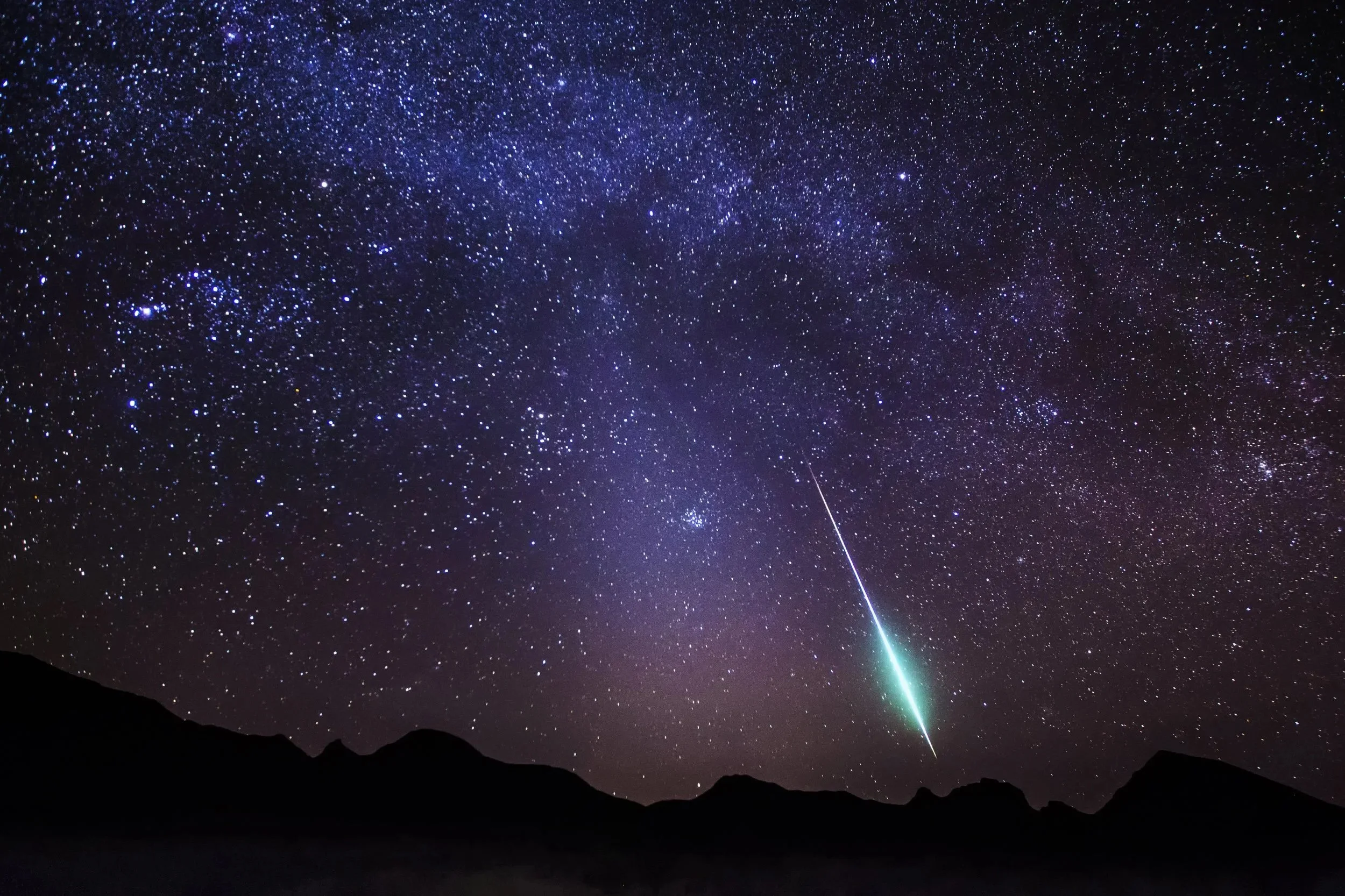
The Lyrid meteor shower happens each April as Earth plows through the dusty trail left by Comet C/1861 G1 (Thatcher). When these tiny particles slam into our atmosphere at high speed (around 110,000 mph / 49 km/s), they vaporize brilliantly as meteors. ..
La lluvia de meteoros de las Líridas ocurre cada mes de abril, cuando la Tierra atraviesa el rastro de polvo dejado por el cometa C/1861 G1 (Thatcher). Cuando estas diminutas partículas chocan contra nuestra atmósfera a gran velocidad (unos 110.000 mph o 49 km/s), se vaporizan brillantemente convirtiéndose en meteoros. ….
….Key highlights make the Lyrids stand out: .. Algunos aspectos destacados hacen que las Líridas resalten: ….
….An Ancient Legacy: They are the oldest documented meteor shower still observed, with Chinese astronomers recording them nearly 2,700 years ago in 687 BC! Watching connects us across millennia. .. Un legado ancestral: se trata de la lluvia de meteoros documentada más antigua que aún se observa; ¡los astrónomos chinos la registraron hace casi 2700 años, en el 687 a. C.! Su observación nos conecta a través de los milenios. ….
….Potential for Surprises: While typically modest (10-20 meteors/hour peak), the Lyrids occasionally unleash dramatic 'outbursts' with over 100 per hour, as seen in 1982. .. Posibilidad de sorpresas: Aunque por lo general son modestas (con un pico de 10 a 20 meteoros por hora), las Líridas ocasionalmente protagonizan espectaculares «estallidos» de más de 100 meteoros por hora, como ocurrió en 1982. ….
….Bright Meteors & Fireballs: They often produce bright meteors, frequently leaving persistent trails, and can sometimes produce exceptionally bright fireballs. .. Meteoros brillantes y bolas de fuego: A menudo producen meteoros brillantes, que frecuentemente dejan estelas persistentes, y a veces pueden generar bolas de fuego excepcionalmente brillantes. ….
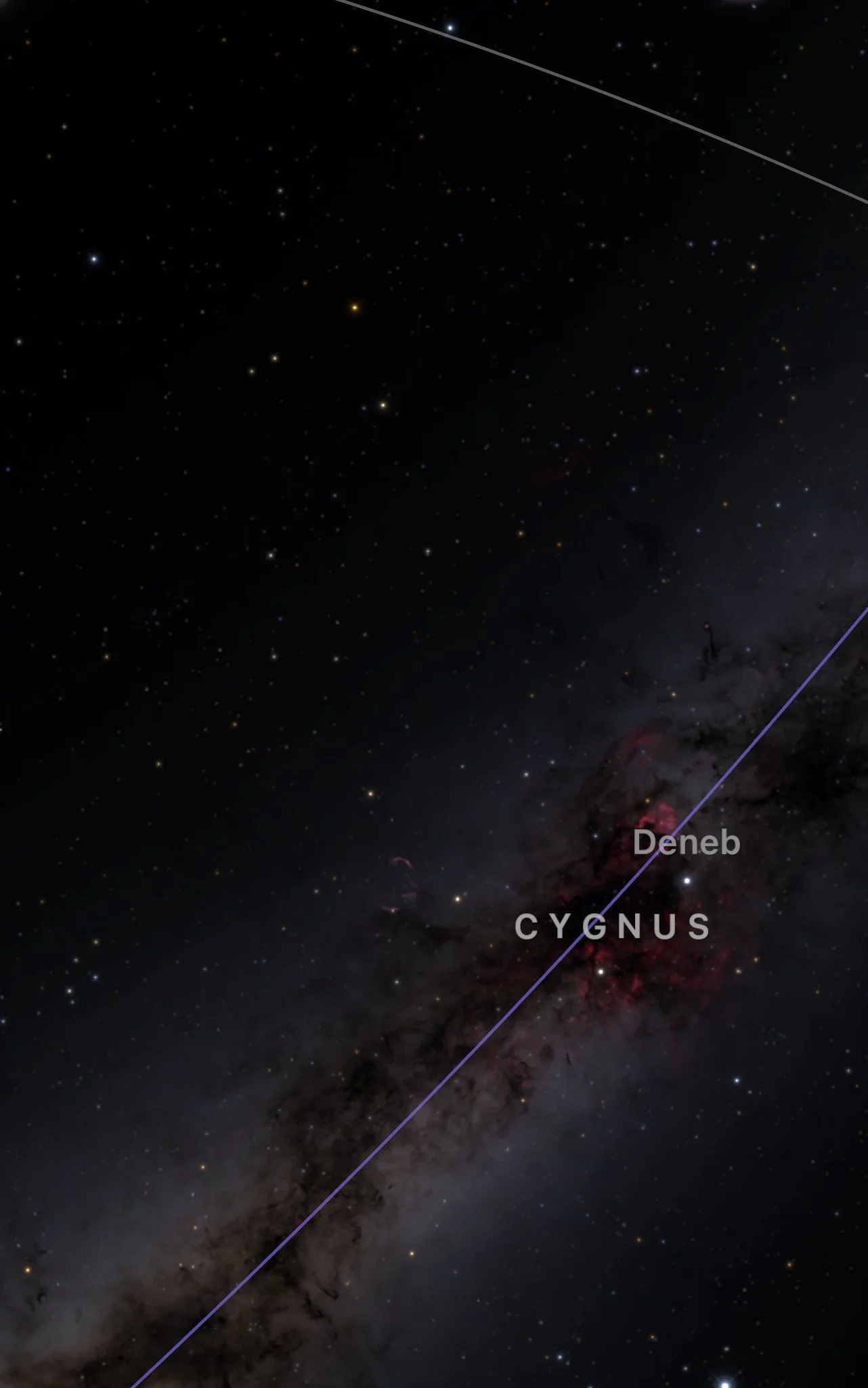
….Radiant Point: The meteors appear to originate from near the bright star Vega in the constellation Lyra (hence 'Lyrids'), which rises in the northeast later in the evening. .. Radiante: Los meteoros parecen originarse cerca de la brillante estrella Vega, en la constelación de Lyra (de ahí el nombre de «Líridas»), la cual sale por el noreste más avanzada la noche. ….
….Echoes Through Time: Myths and Legends .. Ecos a través del tiempo: mitos y leyendas ….
….This long and visible history means the Lyrids have naturally woven themselves into human culture and sky lore: .. Esta larga y visible historia ha hecho que las Líridas se integren de forma natural en la cultura humana y en la tradición asociada al cielo: ….
….In Greek mythology, the shower appears to stream from near the constellation Lyra. This celestial lyre represents the magical instrument of Orpheus, the legendary musician said to possess the power to charm gods, humans, animals, and even inanimate objects with his music. He famously journeyed to the underworld attempting to retrieve his love, Eurydice. Witnessing stars fall from near his lyre could evoke powerful themes of music, love, loss, fate, and the profound connection between the heavens and earthly emotions. .. En la mitología griega, la lluvia de estrellas parece emanar de las proximidades de la constelación de Lyra. Esta lira celestial representa el instrumento mágico de Orfeo, el legendario músico a quien se atribuía el poder de cautivar a dioses, humanos, animales e incluso objetos inanimados con su música. Es célebre su viaje al inframundo en un intento por recuperar a su amada, Eurídice. Contemplar cómo caen estrellas cerca de su lira puede evocar temas profundos como la música, el amor, la pérdida, el destino y la conexión íntima entre el firmamento y las emociones humanas. ….
…. For ancient Chinese astronomers, who provided the earliest written records ('stars falling like rain'), keen observation of the skies was paramount for both calendrical and astrological purposes. While specific tales focused solely on the Lyrids are varied, meteors ( or falling stars) were often interpreted as significant omens or celestial messages. Depending on context and other celestial events, they might be seen as 'sky dragons' heralding vital rain for crops, or perhaps portents of important terrestrial events like battles or shifts in power. .. Para los antiguos astrónomos chinos, autores de los primeros registros escritos al respecto (que describían «estrellas cayendo como lluvia»), la observación minuciosa del firmamento era fundamental tanto para fines calendáricos como astrológicos. Si bien existen diversas narraciones centradas específicamente en las Líridas, los meteoros —o estrellas fugaces— solían interpretarse como presagios significativos o mensajes celestiales. Dependiendo del contexto y de otros fenómenos astronómicos, podían verse como «dragones celestiales» que anunciaban lluvias vitales para los cultivos, o bien como augurios de acontecimientos terrenales de gran trascendencia, tales como batallas o cambios de poder. ….
….When and Where to Watch in Fuerteventura (2025) ..Cuándo y dónde verlo en Fuerteventura (2025)….
….Activity Window: Generally active from about April 16 to April 25, 2025. .. Periodo de actividad: Generalmente activa desde aproximadamente el 16 hasta el 25 de abril de 2025. ….
….Peak Viewing: The best time to watch is during the predicted peak on the night of April 22-23, 2025. Aim for the hours between midnight and dawn, once the radiant (Lyra) is higher in the sky and the sky is darkest. .. Momento óptimo de observación: El mejor momento para observar es durante el pico previsto en la noche del 22 al 23 de abril de 2025. Se recomienda hacerlo entre la medianoche y el amanecer, una vez que el radiante (en la constelación de Lyra) haya ganado altura en el cielo y este se encuentre más oscuro. ….
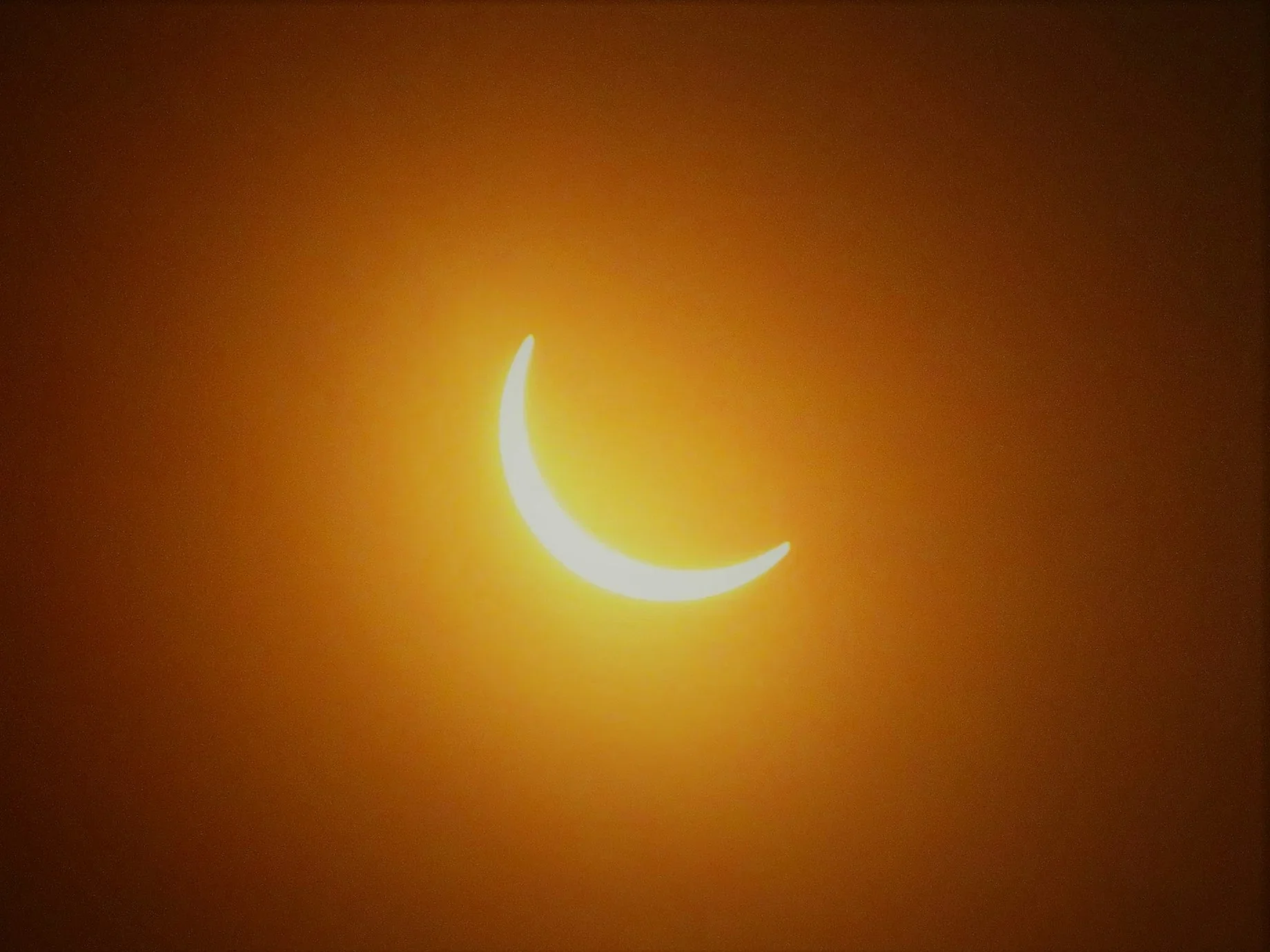
….Moon Advantage: Fortunately, the Moon phase is ideal for the 2025 peak! A very thin waxing crescent moon will set early in the evening, leaving beautifully dark skies across Fuerteventura for meteor watching. .. Ventaja lunar: ¡Afortunadamente, la fase lunar es ideal para el pico de actividad de 2025! Una luna creciente muy fina se pondrá temprano al anochecer, dejando unos cielos maravillosamente oscuros en Fuerteventura para la observación de meteoros. ….
….Viewing Tips for Fuerteventura: .. Consejos para la observación en Fuerteventura: ….
…. Seek Darkness: Find the darkest possible location away from the lights of towns like Corralejo, Puerto del Rosario, Morro Jable, or other bright areas. Fuerteventura offers many beaches, inland plains, and viewpoints with reduced light pollution – essential for seeing fainter meteors. .. Busca la oscuridad: Busca el lugar más oscuro posible, lejos de las luces de localidades como Corralejo, Puerto del Rosario, Morro Jable u otras zonas iluminadas. Fuerteventura cuenta con numerosas playas, llanuras en el interior y miradores con escasa contaminación lumínica, algo esencial para ver los meteoros más tenues. ….
….Adapt Your Eyes: Give your eyes at least 15-20 minutes to fully adjust to the darkness. Resist looking at your bright phone screen – use red light mode briefly only if absolutely necessary. .. Adapta la vista: Deja que tus ojos se acostumbren por completo a la oscuridad durante al menos 15 o 20 minutos. Evita mirar la pantalla brillante del móvil; utiliza el modo de luz roja brevemente solo si es estrictamente necesario. ….
…. Look Up & Be Patient: Lie back comfortably (a reclining chair or blanket helps) and gaze generally overhead or towards the northeast (where Lyra rises later). While the meteors radiate from Lyra, they can appear anywhere across the vast expanse of the sky. Patience is crucial – plan for at least an hour of observation. .. Mira hacia arriba y ten paciencia: Túmbate cómodamente (una silla reclinable o una manta te vendrán bien) y dirige la mirada hacia el cenit o hacia el noreste (donde sale la constelación de Lyra más tarde). Aunque los meteoros parecen irradiar desde Lyra, pueden aparecer en cualquier punto de la inmensidad del cielo. ….
….Check the Weather: Hope for clear skies! Check the local Fuerteventura forecast closer to the peak nights. .. La paciencia es clave: reserva al menos una hora para la observación. Consulta la previsión meteorológica: ¡Esperemos que el cielo esté despejado! Consulta el pronóstico del tiempo en Fuerteventura a medida que se acerquen las noches de mayor actividad. ….

….The Harp in the Heavens: Connecting to Constellation Lyra
The name "Lyrid" itself is steeped in mythology. Meteor showers are named after the constellation from which they appear to radiate, and in this case, it's Lyra, the Harp.
In Greek mythology, Lyra is associated with the legendary musician Orpheus. Gifted a lyre by the god Apollo, Orpheus' music was said to be so beautiful it could charm even inanimate objects. One prominent myth tells of Orpheus' journey to the underworld to retrieve his deceased love, Eurydice, his music softening the hearts of Hades and Persephone. Though he tragically lost her again, his lyre was eventually placed in the heavens as the constellation Lyra, a testament to his musical talent and enduring love.
Therefore, when you witness the Lyrid meteors streaking across the sky, imagine them as celestial tears or perhaps even the lingering notes of Orpheus' mythical harp, forever echoing in the cosmos. Some depictions of the constellation even show an eagle carrying the lyre, adding another layer to the visual narrative in the night sky.
Beyond specific myths, "falling stars" held diverse cultural meanings. Some beliefs linked them to the passage of souls on celestial journeys. More widespread is the hopeful tradition, born from their fleeting beauty, of making a wish upon seeing one – a practice still cherished today.
Final Thought: A Cosmic Reminder
Meteor showers like the Lyrids remind us that Earth is constantly moving through space, sweeping up ancient comet dust. Each shooting star is a fleeting spark from the depths of the solar system, don’t miss your chance to wish upon one!
..
El arpa en los cielos: conectando con la constelación de Lyra
El propio nombre “Líridas” está impregnado de mitología. Las lluvias de meteoritos reciben el nombre de la constelación desde la que parecen irradiar y, en este caso, se trata de Lyra, el arpa.
En la mitología griega, Lyra se asocia con el legendario músico Orfeo. Se dice que la música de Orfeo, a quien el dios Apolo obsequió con una lira, era tan hermosa que podía encantar incluso a los objetos inanimados. Un mito destacado narra el viaje de Orfeo al inframundo para recuperar a su amada fallecida, Eurídice, y cómo su música ablandó los corazones de Hades y Perséfone. Aunque, trágicamente, volvió a perderla, su lira acabó colocándose en los cielos como la constelación de Lyra, un testimonio de su talento musical y de su amor eterno.
Por lo tanto, cuando veas las estrellas fugaces de las Líridas surcando el cielo, imagínalas como lágrimas celestiales o quizás incluso como las notas persistentes del mítico arpa de Orfeo, resonando para siempre en el cosmos. Algunas representaciones de la constelación muestran incluso un águila que lleva la lira, lo que añade otra dimensión a la narrativa visual del cielo nocturno.
Más allá de los mitos concretos, las «estrellas fugaces» tenían diversos significados culturales. Algunas creencias las vinculaban al paso de las almas en sus viajes celestiales. Más extendida es la tradición esperanzadora, nacida de su belleza fugaz, de pedir un deseo al ver una , una práctica que aún hoy se mantiene viva.
Reflexión final: un recordatorio cósmico
Las lluvias de meteoritos como las Líridas nos recuerdan que la Tierra se mueve constantemente por el espacio, arrastrando polvo de cometas ancestrales. Cada estrella fugaz es una chispa fugaz procedente de las profundidades del sistema solar: ¡no pierdas la oportunidad de pedir un deseo al ver una!
….