christmas

....A Brighter Christmas, A Darker Future?..¿Una Navidad más luminosa, un futuro más sombrío?....

….

Even though Christmas has passed, the festive spirit lingers here in Fuerteventura! Our Christmas tree remains proudly displayed, twinkling with lights. And the celebrations continue, as we eagerly await the arrival of the Three Kings on Dia de Reyes.

Christmas lights! They transform our neighborhoods into twinkling wonderlands, casting a festive glow on the season. But as we string up those dazzling displays, it's worth considering the potential impact of our holiday cheer.

The dazzling spectacle of Christmas lights comes at a cost, not just to our wallets (though those energy bills can certainly add up!), but to the environment and even our own health.

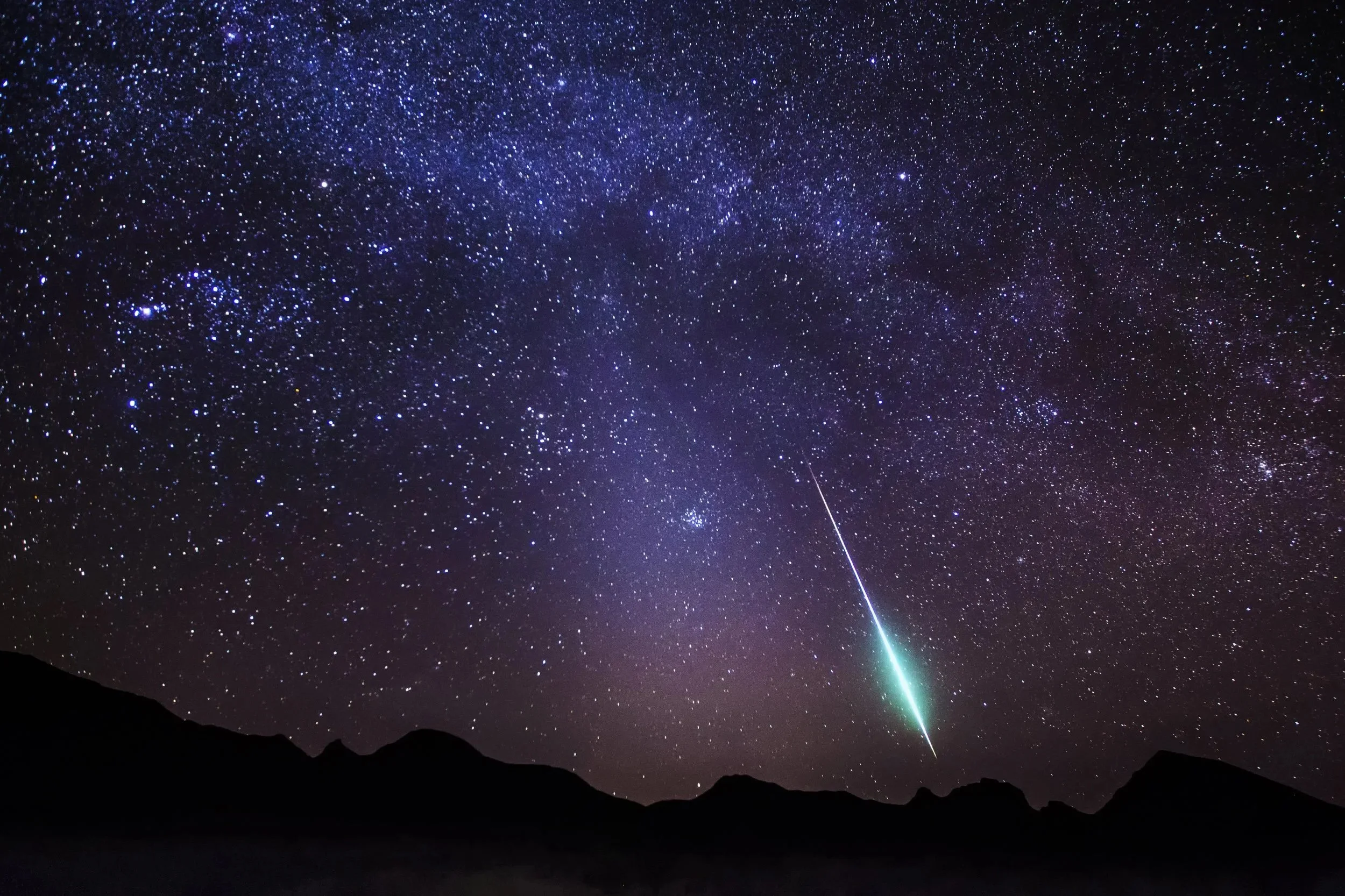
The sheer volume of holiday lights creates a blanket of artificial light, washing out the stars and disrupting the natural night sky. This "light pollution" isn't just a nuisance for astronomers and stargazers. It confuses wildlife, disrupts their natural rhythms, and can even harm their delicate ecosystems. Imagine a tiny insect drawn to a brilliant streetlight, circling and circling until it's exhausted and disoriented. Or picture a migrating bird, its natural navigation severely impacted by the city's glow, losing its way and struggling to find its destination.

Furthermore, all that artificial light at night can wreak havoc on our sleep cycles. It becomes harder to fall asleep, sleep quality suffers, and individuals often wake up feeling groggy and unrefreshed. This can lead to mood swings, difficulty concentrating, and even serious health problems down the line.

So, what can we do? Can we still enjoy the magic of the season without sacrificing our environment and our well-being? Absolutely! Here are a few simple steps individuals can take:

..

Aunque la Navidad ya haya pasado, ¡el espíritu festivo sigue vivo aquí en Fuerteventura! Nuestro árbol de Navidad sigue luciendo orgulloso, resplandeciente con sus luces. Y las celebraciones continúan, mientras esperamos con ilusión la llegada de los Reyes Magos el Día de Reyes.

¡Las luces navideñas! Transforman nuestros barrios en maravillosos paisajes centelleantes, llenando la temporada de un resplandor festivo. Pero mientras colocamos esas deslumbrantes decoraciones, vale la pena reflexionar sobre el posible impacto de nuestra alegría navideña.

El deslumbrante espectáculo de las luces navideñas tiene un coste, no solo para nuestros bolsillos (¡aunque esas facturas de electricidad sin duda pueden dispararse!), sino también para el medio ambiente e incluso para nuestra propia salud.

El enorme volumen de luces navideñas crea un manto de luz artificial que oculta las estrellas y altera el cielo nocturno natural. Esta «contaminación lumínica» no es solo una molestia para los astrónomos y los observadores de estrellas. Desorienta a la fauna silvestre, altera sus ritmos naturales e incluso puede dañar sus delicados ecosistemas. Imagina un pequeño insecto atraído por una farola brillante, dando vueltas y vueltas hasta quedar agotado y desorientado. O imagina un pájaro migratorio, cuya navegación natural se ve gravemente afectada por el resplandor de la ciudad, perdiendo el rumbo y luchando por encontrar su destino.

Además, toda esa luz artificial nocturna puede causar estragos en nuestros ciclos de sueño. Resulta más difícil conciliar el sueño, la calidad del descanso se ve afectada y, a menudo, las personas se despiertan aturdidas y sin sentirse descansadas. Esto puede provocar cambios de humor, dificultad para concentrarse e incluso problemas de salud graves a largo plazo.

….

  • ….Embrace energy-efficient LEDs: They use less energy and produce less heat, making them a much greener choice. .. Apuesta por los LED de bajo consumo: consumen menos energía y generan menos calor, lo que los convierte en una opción mucho más respetuosa con el medio ambiente. ….

  • ….Embrace timers: Set timers to automatically turn off lights when individuals are asleep or away from home. .. Utiliza temporizadores: programa temporizadores para apagar automáticamente las luces cuando las personas estén durmiendo o fuera de casa. ….

  • ….Shield your lights: Direct the light downwards to minimize light pollution and reduce glare. ..
    Proteja sus luces: dirija la luz hacia abajo para minimizar la contaminación lumínica y reducir el deslumbramiento. ….

  • ….Choose warm-colored lights: They're less disruptive to wildlife and create a more cozy, festive atmosphere. .. Elige luces de tonos cálidos: alteran menos a la fauna y crean un ambiente más acogedor y festivo. ….

  • ….Support your local "Dark Sky" initiatives: Join a local organisation or participate in community events that raise awareness about the importance of preserving the night sky. .. Apoya las iniciativas locales de “cielos oscuro”: únete a una organización local o participa en eventos comunitarios que conciencien sobre la importancia de preservar el cielo nocturno. ….

….This holiday season, let's make a conscious effort to be more mindful of our lighting choices. By making small adjustments, we can create a brighter Christmas for everyone while ensuring a sustainable future for generations to come. .. Estas fiestas, hagamos un esfuerzo consciente por prestar más atención a nuestras decisiones en materia de iluminación. Con pequeños cambios, podemos crear una Navidad más luminosa para todos y, al mismo tiempo, garantizar un futuro sostenible para las generaciones venideras. ….

....Christmas. What are its origins? And what is the connection to the Winter Solstice? .. La Navidad. ¿Cuáles son sus orígenes? ¿Y qué relación tiene con el solsticio de invierno? ....

….

The Origins of Christmas stem as far back as Pagan Roman times. The festival was called Saturnalia, an ancient Roman celebration of the God Saturn, which lasted from Dec 17th-23rd. The God Saturn, is usually connected with the Greek Cronos, but it was the Romans who actively worshipped the God, associating him with agriculture and abundance. Saturnalia was a raucous affair! A time where anything goes and the boundaries between Master and Slave no longer exist, implying freedom and the equal standing of all people. Gifts were also exchanged and gambling, drinking and playing games was seen as the norm. Nobody was to work during this time. The Romans saw it as returning to the Golden Age, when the God Saturn ruled over Earth. It was a time of Universal harmony and Saturnalia was a way of spreading that love. Other accounts are that it was more an excuse for illicit activity and that it was only the children of the Masters who served the Slaves. We will never know, but the similarities between Saturnalia and Christmas are undeniable with drinking, feasting, sharing gifts and not working as the main component

The Winter Solstice has been celebrated on the 21st or 22nd of December since ancient times. In the Norse tradition, the Winter Solstice celebrated the rebirth of Sol with offerings to Freyr. In ancient Persia and Iran, honoring Mithra is called Yalda. In the Ancient Roman pantheon, the feast of Saturnalia honored the Gods of Harvest and Plenty, Saturn and Ops. To them, the sun decreasing in visibility as the days of the year moved forward spoke of the dying of the sun. They believed that at the time of the winter solstice the sun actually needed to be reborn so that it could live another year. That’s why, in their religious superstition, they organized annual festivals that were held during the days just before and after the day of the winter solstice. These festivals were celebrations dedicated to the sun god, whatever name that god went by. December 25th, then, was celebrated with a feast to commemorate the birth (rebirth) of the sun.

In English, the world solstice comes from the Latin word solstitium, meaning "sun standing still". It seems to suggest a brief pause as the sun reaches its most extreme Southerly point (as experienced on Earth) before the direction of travel is reversed, resulting in the shortest day and longest night of the Year. On a spiritual level, it teaches us about resilience and hope in the face of darkness. The Sun will rise again, even after the longest night of the Year, bringing new beginnings and brighter days. It's a time to reflect on your inner light and the continuous cycle of growth and renewal.

So the origins of Christmas are based on pagan celebrations, that were slowly transitioned into more christian ideologies and later emerged into the modern Christmas that we celebrate around the globe today.

..

Los orígenes de la Navidad se remontan a la época de la Roma pagana. La fiesta se llamaba Saturnalia, una antigua celebración romana en honor al dios Saturno, que se celebraba del 17 al 23 de diciembre. El dios Saturno suele asociarse con el Crono griego, pero fueron los romanos quienes lo veneraban activamente, relacionándolo con la agricultura y la abundancia. ¡Las Saturnalia eran una fiesta muy bulliciosa! Una época en la que todo valía y las fronteras entre amo y esclavo dejaban de existir, lo que implicaba libertad e igualdad entre todas las personas. También se intercambiaban regalos, y era habitual apostar, beber y jugar. Nadie debía trabajar durante esos días. Los romanos lo veían como un retorno a la Edad de Oro, cuando el dios Saturno gobernaba la Tierra. Era una época de armonía universal y las Saturnales eran una forma de difundir ese amor. Otras versiones cuentan que se trataba más bien de una excusa para actividades ilícitas y que solo los hijos de los amos servían a los esclavos. Nunca lo sabremos, pero las similitudes entre las Saturnales y la Navidad son innegables, siendo el consumo de alcohol, los banquetes, el intercambio de regalos y el descanso laboral los elementos principales.

El solsticio de invierno se celebra el 21 o el 22 de diciembre desde la antigüedad. En la tradición nórdica, el solsticio de invierno celebraba el renacimiento de Sol con ofrendas a Freyr. En la antigua Persia e Irán, el homenaje a Mitra se denomina Yalda. En el panteón de la antigua Roma, la fiesta de las Saturnales honraba a los dioses de la cosecha y la abundancia, Saturno y Ops. Para ellos, el hecho de que el sol perdiera visibilidad a medida que avanzaban los días del año simbolizaba la muerte del sol. Creían que, en el momento del solsticio de invierno, el sol necesitaba renacer para poder vivir otro año más. Por eso, según sus creencias religiosas, organizaban festivales anuales que se celebraban durante los días inmediatamente anteriores y posteriores al solsticio de invierno. Estas fiestas eran celebraciones dedicadas al dios del sol, independientemente del nombre con el que se le conociera. El 25 de diciembre, pues, se celebraba con una fiesta para conmemorar el nacimiento (renacimiento) del sol.

En inglés, la palabra «solstice» proviene del latín «solstitium», que significa «el sol se detiene». Parece sugerir una breve pausa cuando el sol alcanza su punto más extremo hacia el sur (tal y como se percibe en la Tierra) antes de que se invierta su trayectoria, lo que da lugar al día más corto y a la noche más larga del año. A nivel espiritual, nos enseña sobre la resiliencia y la esperanza frente a la oscuridad. El sol volverá a salir, incluso tras la noche más larga del año, trayendo consigo nuevos comienzos y días más luminosos. Es un momento para reflexionar sobre tu luz interior y el ciclo continuo de crecimiento y renovación.

Así pues, los orígenes de la Navidad se basan en celebraciones paganas, que se fueron adaptando poco a poco a ideologías más cristianas y que más tarde dieron lugar a la Navidad moderna que celebramos hoy en día en todo el mundo.

….

....DECEMBER 2018 NIGHT SKY.. DECEMBRE 2018 CIELO NOCTURNO....

Paradise.jpg

….

The month of December is marked by the Winter Solstice, which this year falls on the 21st. This was a very important date in the calendar of the ancient inhabitants of Fuerteventura, the Majos, who – according to the historians – met on the top of their sacred mountain, Tindaya's, in order to witness the sunset, forwarding the return of the rains and of the days with more light hours. And this solstice is also announced in the night sky by the presence of the most significant of the Winter constellations, the giant hunter Orion, which for the Majos was only a part of a bigger asterism called ' the Plough', directly connected to agriculture.

Another very important date of the month, and especially for the ones who love the shooting stars, is around the nights of the 13th and 14th, with the most faithful shower of the year, the Geminids, whose slow meteors can reach the count of 120 per hour in optimal conditions of darkness. The Moon will be in her First Quarter, so will set down early, leaving then a dark sky for the second part of the night.

These days around the center of the month are also the best for the observation of our satellite, which leaves always astonished children of all ages with her seas, her craters and her mountains, which we admire with great detail through a telescope in spite of the great distance.

Clear skies to everybody!

..

El mes de diciembre está marcado por el Solsticio de Invierno, que este año cae el día 21. Esta era una fecha muy importante en el calendario de los antiguos pobladores de Fuerteventura, los Majos, que - según nos relatan los historiadores- se reunían en la cumbre de su montaña sagrada, la montaña de Tindaya, para asistir a la puesta del Sol en este día, que marcaba la vuelta de las lluvias y de la época con más horas de luz. El solsticio está anunciado en el cielo de diciembre por la vuelta de la constelación más emblemática del invierno, el gran cazador Orión, que en la interpretación de los Majos formaba parte de un asterismo que llamaban 'el Arado', claramente conectado con el cultivo de los campos.

Otra cita muy señalada de este mes, y especialmente para los apasionados de estrellas fugaces, está en las noches del 13 y 14 de diciembre, con la lluvia más fiable del año, las Gemínidas, con meteoros lentos que sin embargo pueden superar el número de 120 por hora en las mejores condiciones de oscuridad. La Luna estará en el Cuarto Creciente, así que se pondrá pronto dejando el cielo muy oscuro en la segunda parte de la noche. Las fechas centrales del mes serán también las mejores para la observación de nuestro satélite, que siempre deja asombrados a los niños de todas las edades con sus cráteres, sus mares y sus montañas, que admiramos con gran detalle a través del telescopio a pesar de su lejanía.

¡Cielos despejados para todos!

….

The star of Bethlehem and the Three Kings

The Christmas story often brings to mind the tale of three wise men guided by a celestial light to the birthplace of Jesus Christ. Scientists have proposed various explanations for this "Star of Bethlehem."

It must be remembered that the Chaldeans who occupied Mesopotamia 2,000 years ago were assiduous observers of the night sky and were very familiar with the motions of the sun, moon and planets. The three kings were religious scholars known as the Magi - revered Babylonian astronomers and astrologists. They studied the stars and planets, interpreting the meaning behind cosmic events. Anything very unusual was considered an omen, so the star must have been both rare and visually spectacular, and if something very rare took place in the sky, the ancient skywatchers would have noticed it immediately.

After countless reading of articles i’ve summarised a few to ponder over:

  • This year, on August 27th, we witnessed a remarkable celestial event: a very close encounter between Venus and Jupiter. The two brightest planets appeared to almost touch each other in the night sky. Such a close alignment is a rare occurrence, and a similar event may have taken place over 2,000 years ago.

    The biblical story of the Star of Bethlehem intriguingly mentions two separate celestial events. One marked the beginning of the Magi's journey, while the other guided them to Bethlehem.

    Interestingly, in 3 BC, Venus and Jupiter were prominent in the pre-dawn eastern sky. On August 12th of that year, they came incredibly close, appearing only 9 arc minutes apart from the perspective of the Middle East. This would have been visible to people "in the east," as mentioned in the Book of Matthew.

    Ten months later, in June 2 BC, the two planets had another, even more spectacular conjunction. At sunset from Babylonia, they were separated by a mere 4 arc minutes, shining brightly in the western sky. As darkness fell, they drew closer together until they appeared to merge into a single, extremely bright "star."

    This historical celestial event has led some to speculate that it could be the explanation for the Star of Bethlehem. The close alignment of Venus and Jupiter, particularly the dramatic conjunction in 2 BC, would have been a striking and unforgettable sight.

  • The other theory is that the star of Bethlehem was probably not a star at all, and that it was more than one single event.  Astronomer-astrologers reported omens to the king; these were anything unusual - perhaps the moon moving in front of a planet, or a lunar eclipse. Their job was to interpret the meaning of these phenomena. There was also an elite class of diviners who created nativity charts. They recorded the positions of the planets, the Sun, the Moon and other astronomical data at the time of a child's birth, in order to make predictions about that person's life.  Some believe that the wise men from the East, or the "Magi" of the nativity, were astrologers from Mesopotamia, and that the star rising in the east was the horoscope that predicted the birth of a king. If so, they were reading a nativity chart in reverse; they had the prediction and sought to find the child who had been born at that precise moment.

  • Best explanation for this series of events is something known as a triple conjunction between Jupiter and Saturn - with the two planets coming close together in the sky three times over a short period. This happens when] you get an alignment between the Sun, the Earth, Jupiter and Saturn.  Tim O'Brien, associate director of Jodrell Bank Observatory in Cheshire, suggests this would have looked striking. "It's remarkable how much your attention is drawn when two very bright objects come together in the sky," he explains.And once the planets lined up in their orbits, Earth would "overtake" the others, meaning that Jupiter and Saturn would appear to change direction in the night sky. "You would [only] get a triple conjunction like this about every 900 years," he says, so for astronomers in Babylon 2,000 years ago, it would have been a signal of something very significant."A triple conjunction of this kind ticks all the boxes."

  • Another theory suggests that a very bright comet could have been the Star of Bethlehem. While comets are often described as "dirty snowballs" traveling through space, they can be incredibly beautiful and awe-inspiring. As a comet approaches the Sun, its ice melts, and solar winds blow this material into space, creating a spectacular tail. This tail, always pointing away from the Sun, is one of the key characteristics that has made the comet theory popular.

    One of the most relevant historical records is the sighting of a bright comet in the constellation of Capricorn in 5 BC, documented by Chinese astronomers.

  • A less likely, but well-known candidate is Halley's Comet, which was visible around 12 BC. Supporters of this theory point out that the 5 BC comet would have been in the southern sky as seen from Jerusalem, with the comet's head near the horizon and its tail pointing vertically upward.

  • Another theory suggests that the Star of Bethlehem could have been the light from a newborn star, known as a nova. Chinese astronomers recorded a new star in the small, northern constellation of Aquila in 4 BC. Proponents of this theory argue that this nova would have been directly over Jerusalem. Dr. Robert Cockcroft, manager of the McCallion Planetarium at McMaster University in Ontario, considers a nova a "good candidate" for the Star of Bethlehem. 

From all us to you at StarsByNight, hope you have a fabulous holiday period!


ENG
ESP