

….what will we actually see from here (Fuerteventura) on August 12th?..
¿Qué veremos realmente desde aquí (Fuerteventura) el 12 de agosto?….
….In our previous post, we said Fuerteventura isn't the most ideal destination, but what can we see from the island? ..
En nuestra publicación anterior dijimos que Fuerteventura no es el destino más ideal, pero ¿qué podemos ver desde la isla? ….
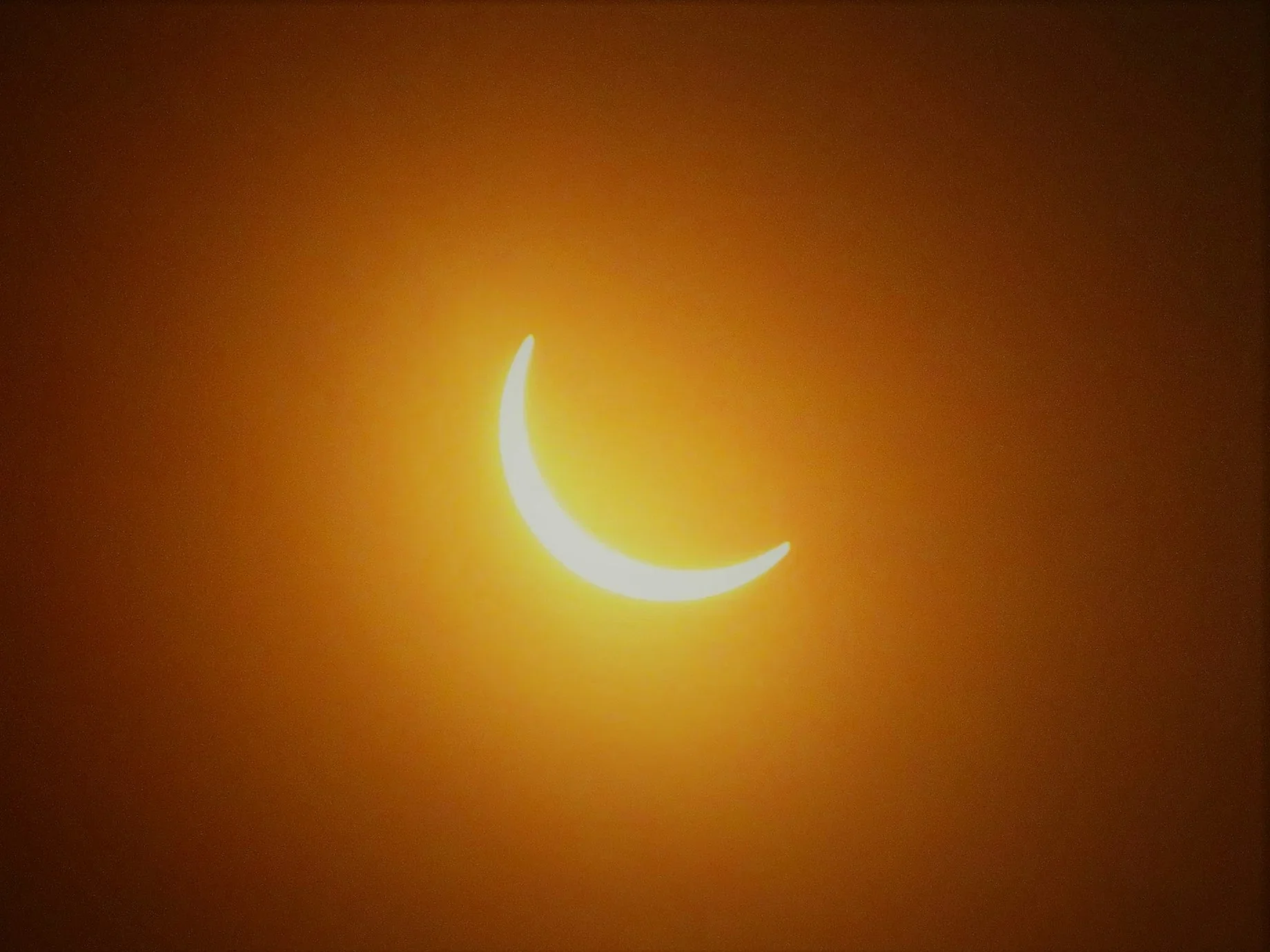
….The path of totality misses the Canary Islands, so we will not get total darkness, but Fuerteventura will still experience a spectacular astronomical event, a Partial Solar Eclipse. The Moon will cover roughly 70–75% of the Sun. Instead of a full glowing disk, you will see a dramatic crescent Sun, resembling the slim shape of a three-day old crescent Moon, hanging low over the Atlantic ocean. This is a magical event, not to be missed. Even though the Sun is low in the Sky you will still need glasses to protect your eyes and special lenses for cameras (see below). .. La franja de totalidad no pasa por las Islas Canarias, por lo que no experimentaremos una oscuridad total; sin embargo, Fuerteventura vivirá un evento astronómico espectacular: un eclipse solar parcial. La Luna cubrirá aproximadamente entre el 70 % y el 75 % del Sol. En lugar de un disco radiante completo, se verá un impresionante Sol en forma de media luna —similar a la silueta fina de una Luna creciente de tres días de edad— suspendido a baja altura sobre el océano Atlántico. Es un evento mágico que no hay que perderse. Aunque el Sol se encuentre bajo en el cielo, seguirá siendo necesario utilizar gafas para proteger la vista y lentes especiales para las cámaras (véase más abajo). ….
….Viewing Schedule (Fuerteventura) the event coincides with sunset, so you want to be on the West coast or up high so you have a clear view of the western horizon. .. Horario de observación (Fuerteventura): el evento coincide con la puesta de sol, por lo que conviene estar en la costa oeste o en un lugar elevado para tener una vista despejada del horizonte occidental. ….
….
….• Eclipse Starts: 18:57 .. • Inicio del eclipse: 18:57 ….
….• Maximum Crescent: (70–75% coverage): 19:53 ..• Máxima fase creciente: (70-75% de cobertura): 19:53:04 ….
…. • Sunset: 20:37 ..• Puesta de sol: 20:37 ….
…. • Eclipse Ends: 20:44 ..• Fin del eclipse: 20:44 ….
Information from timeanddate: https://shorturl.at/8dTdE
….Recommended locations: .. Ubicaciones recomendadas: ….
….• El Cotillo: Expansive beaches and clear western horizon lines. ..
• El Cotillo: Playas extensas y líneas de horizonte despejadas hacia el oeste. ….
….• Aguas Verdes (Betancuria): Rugged volcanic coast and natural tidal pools framing the view. .. • Aguas Verdes (Betancuria): Costa volcánica escarpada y piscinas naturales de marea que enmarcan la vista. ….
….• Los Molinos: A quiet western cove giving an unobstructed view as the crescent Sun meets the ocean. .. • Los Molinos: una tranquila cala orientada al oeste que ofrece una vista despejada del momento en que el Sol en cuarto creciente se encuentra con el océano. ….
….• La Pared: Spectacular for any Sunset .. • La Pared: Espectacular para cualquier atardecer. ….
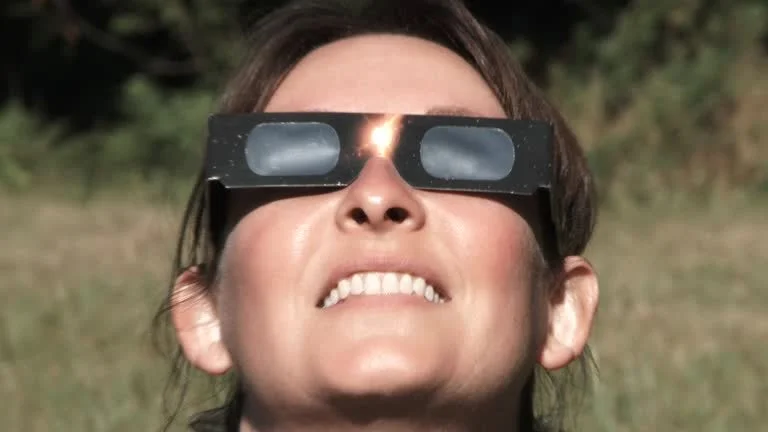
….Protection First: Eyewear specifically for Eclipses. Yes you still need them! Even with a partial eclipse and a low Sun, looking directly at the solar disk without equipment can cause severe eye damage. .. La protección es lo primero: gafas diseñadas específicamente para eclipses. ¡Sí, sigues necesitándolas! Incluso durante un eclipse parcial y con el Sol bajo, mirar directamente al disco solar sin protección puede causar daños oculares graves. ….
…. • For Viewing: Wear ISO-certified eclipse glasses (ISO 12312-2). Regular sunglasses do not offer proper protection. ..
• Para la observación: Utilice gafas para eclipses con certificación ISO (ISO 12312-2). Las gafas de sol comunes no ofrecen la protección adecuada. ….
….• For Photography: If you are pointing a camera lens at the Sun, use a high-density solar filter (such as an ND1000 or dedicated solar film) to protect your camera sensor from heat damage. .. • Para fotografía: Si apuntas el objetivo de una cámara hacia el Sol, utiliza un filtro solar de alta densidad (como un ND1000 o una lámina solar específica) para proteger el sensor de la cámara de daños por calor. ….
….With the combination of a low Sun, ocean horizon, and a deep crescent shape, this eclipse promises to be a memorable and visually stunning event, even without totality. .. Gracias a la combinación de un Sol bajo, el horizonte oceánico y una profunda forma de media luna, este eclipse promete ser un evento memorable y visualmente impresionante, incluso sin llegar a la totalidad. ….
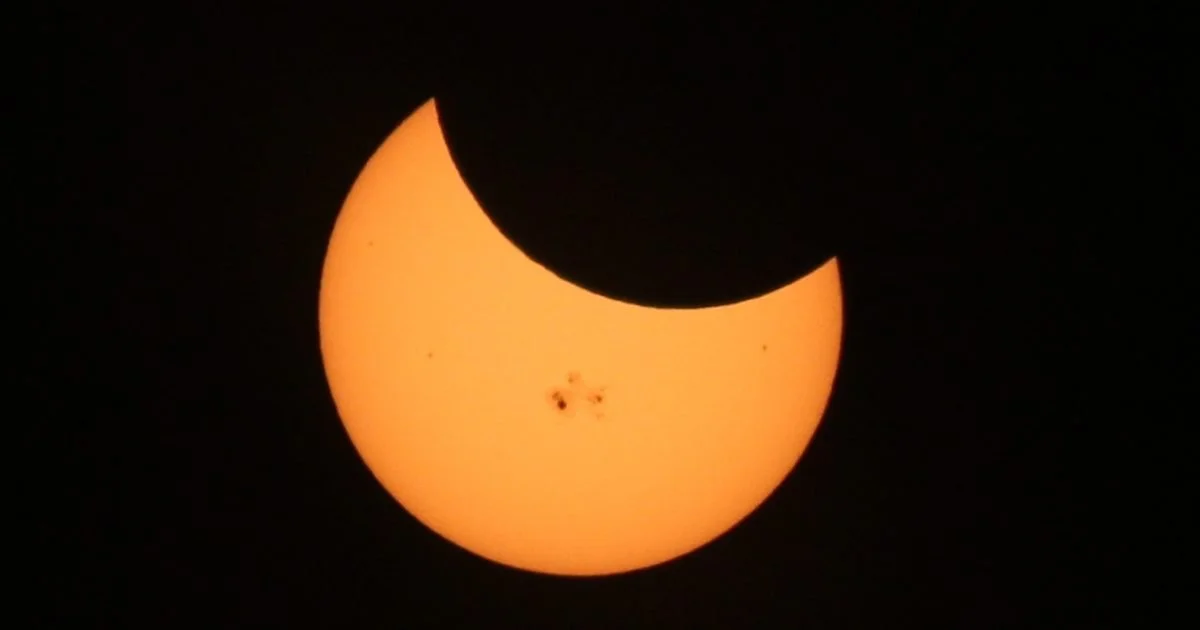
Image: Planetary Society
