astronomia

....Beyond the Island Breeze: What the Autumnal Equinox Means in Fuerteventura.. Más allá de la brisa isleña: lo que significa el equinoccio de otoño en Fuerteventura....

….While the island stays warm and sunny year-round, September brings a quiet shift to Fuerteventura. The summer trade winds (los alisios) soften, the calima subsides, and the golden afternoon light stretches across the dunes and volcanic peaks. Beyond enjoying quieter beaches and warm waters, the autumnal equinox marks one of the planet's most fascinating astronomical events. .. Aunque la isla mantiene un clima cálido y soleado durante todo el año, septiembre trae consigo un cambio tranquilo a Fuerteventura. Los vientos alisios del verano se suavizan, la calima remite y la dorada luz vespertina se extiende sobre las dunas y las cumbres volcánicas. Más allá de disfrutar de playas más tranquilas y aguas cálidas, el equinoccio de otoño marca uno de los fenómenos astronómicos más fascinantes del planeta. ….

….The Science: Perfect Balance Across the Globe..La ciencia: un equilibrio perfecto en todo el mundo….

….The word equinox originates from the Latin aequus (equal) and nox (night). It marks the precise moment Earth's axis is tilted neither toward nor away from the sun. .. La palabra «equinoccio» proviene de los términos latinos *aequus* (igual) y *nox* (noche). Marca el momento preciso en que el eje de la Tierra no está inclinado ni hacia el Sol ni en dirección opuesta a él. ….
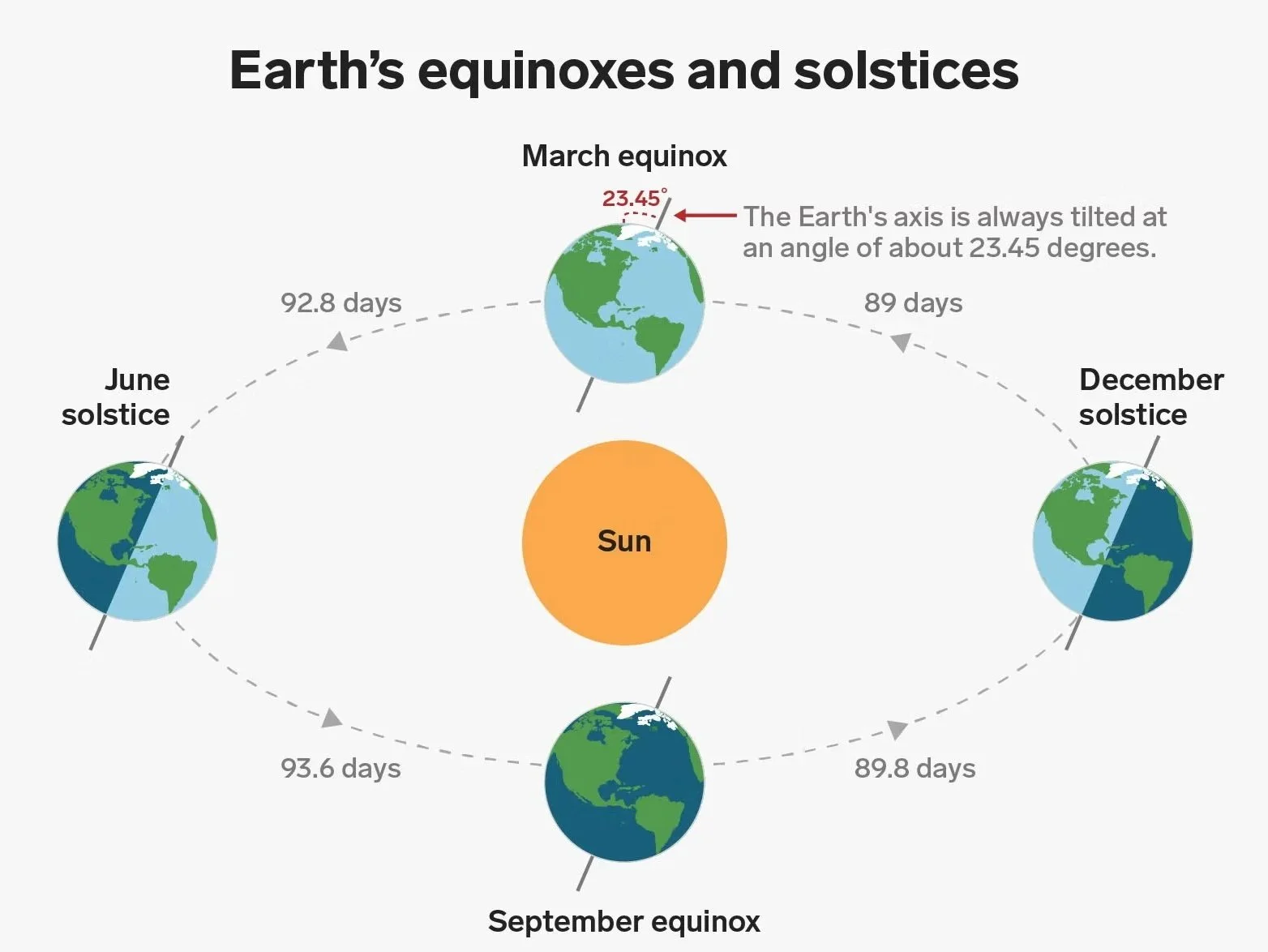
Image: timeanddate.com

….12 Hours of Light, 12 Hours of Dark: On the day of the equinox, day and night are almost identical in length, even here at 28°N latitude.

Direct Sun on the Equator: The sun shines directly over the equator, giving both hemispheres equal amounts of light for a single day.

The Seasonal Flip: While we head into the milder island autumn, the Southern Hemisphere welcomes its spring equinox on the exact same day.

True Due East and West: The equinox is the only time of year when the sun rises due east (over the Sahara) and sets due west into the Atlantic Ocean for everyone on Earth. ..

12 horas de luz, 12 horas de oscuridad: En el día del equinoccio, la duración del día y de la noche es casi idéntica, incluso aquí, a 28° de latitud norte.

Sol directo sobre el ecuador: El sol incide directamente sobre el ecuador, proporcionando a ambos hemisferios la misma cantidad de luz durante una sola jornada.

El cambio de estación: Mientras nosotros nos adentramos en el otoño isleño —de clima más suave—, el hemisferio sur recibe su equinoccio de primavera ese mismo día.

Orientación exacta hacia el este y el oeste: El equinoccio es el único momento del año en que el sol sale exactamente por el este (sobre el Sahara) y se pone exactamente por el oeste (en el océano Atlántico) para todos los habitantes de la Tierra. ….

….What the Equinox Means for Fuerteventura..Lo que el equinoccio significa para Fuerteventura….

….The Warmest Sea Temps: Unlike continental Europe, autumn brings some of the best ocean conditions to the island. Water temperatures peak in late September and October, making it prime time for swimming and surfing.

Dropping Trade Winds: The intense summer winds begin to relax, creating glassy ocean conditions along the coastline.

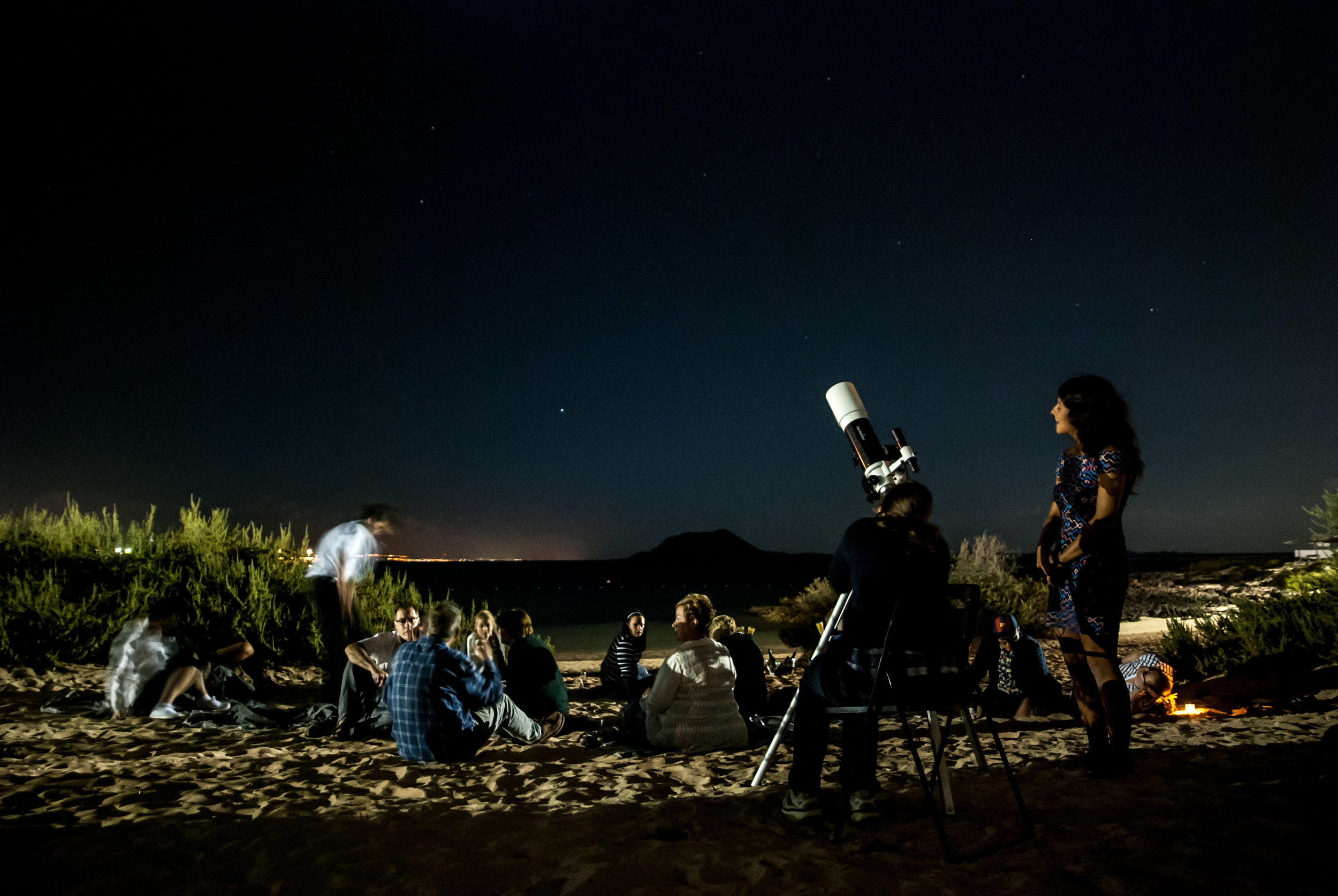
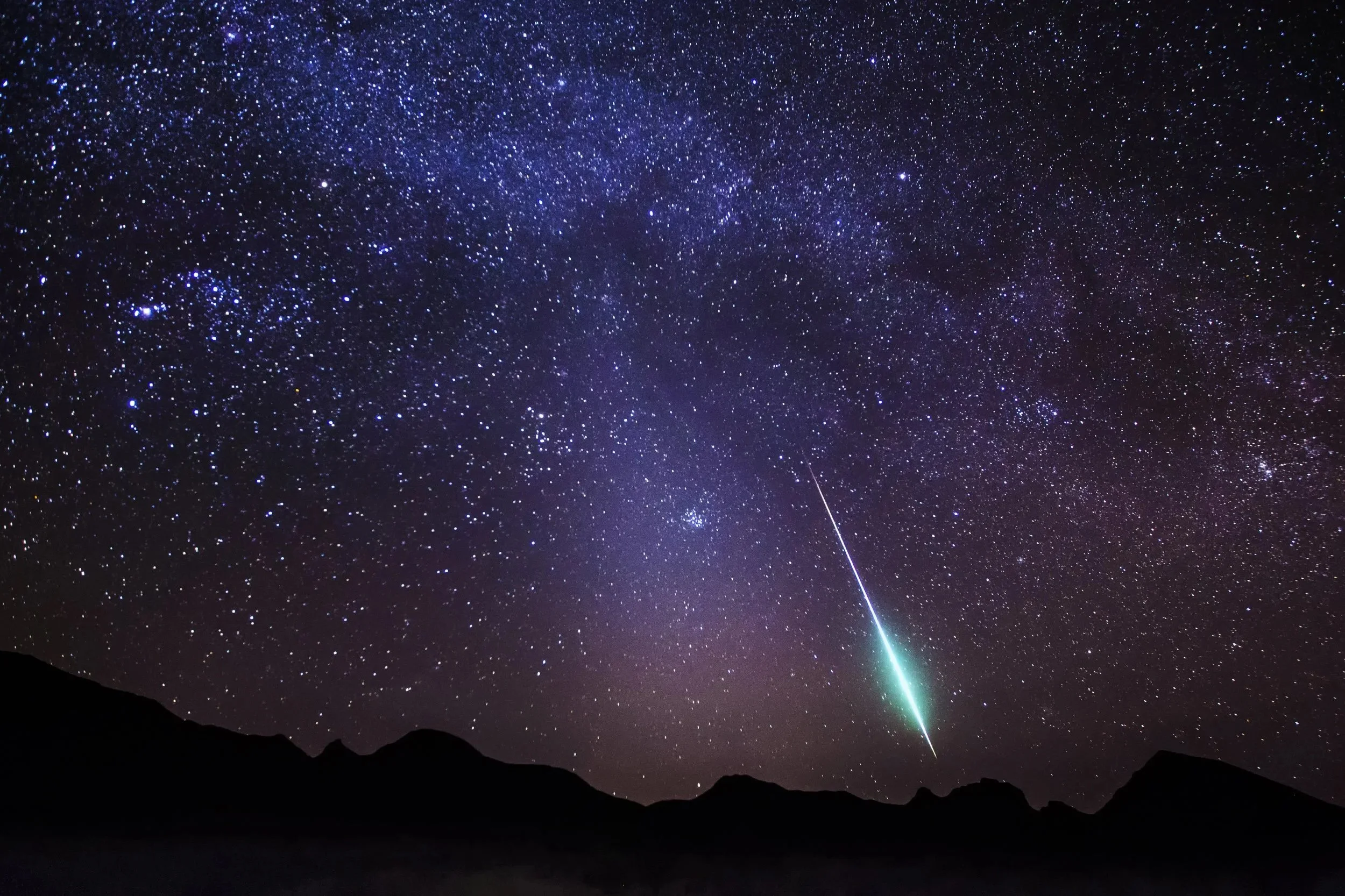
Incredible Stargazing: As night falls earlier, Fuerteventura's nights come into its own. With minimal light pollution, autumn offers exceptionally clear views of the night sky. ..

Las temperaturas del mar más cálidas: A diferencia de la Europa continental, el otoño trae consigo algunas de las mejores condiciones oceánicas para la isla. La temperatura del agua alcanza su punto máximo a finales de septiembre y en octubre, lo que lo convierte en el momento ideal para nadar y practicar surf.

Atenuación de los vientos alisios: Los intensos vientos del verano comienzan a amainar, creando condiciones de mar en calma a lo largo de la costa.

Observación estelar increíble: Al anochecer más temprano, las noches de Fuerteventura cobran todo su esplendor. Gracias a la mínima contaminación lumínica, el otoño ofrece vistas excepcionalmente nítidas del cielo nocturno. ….
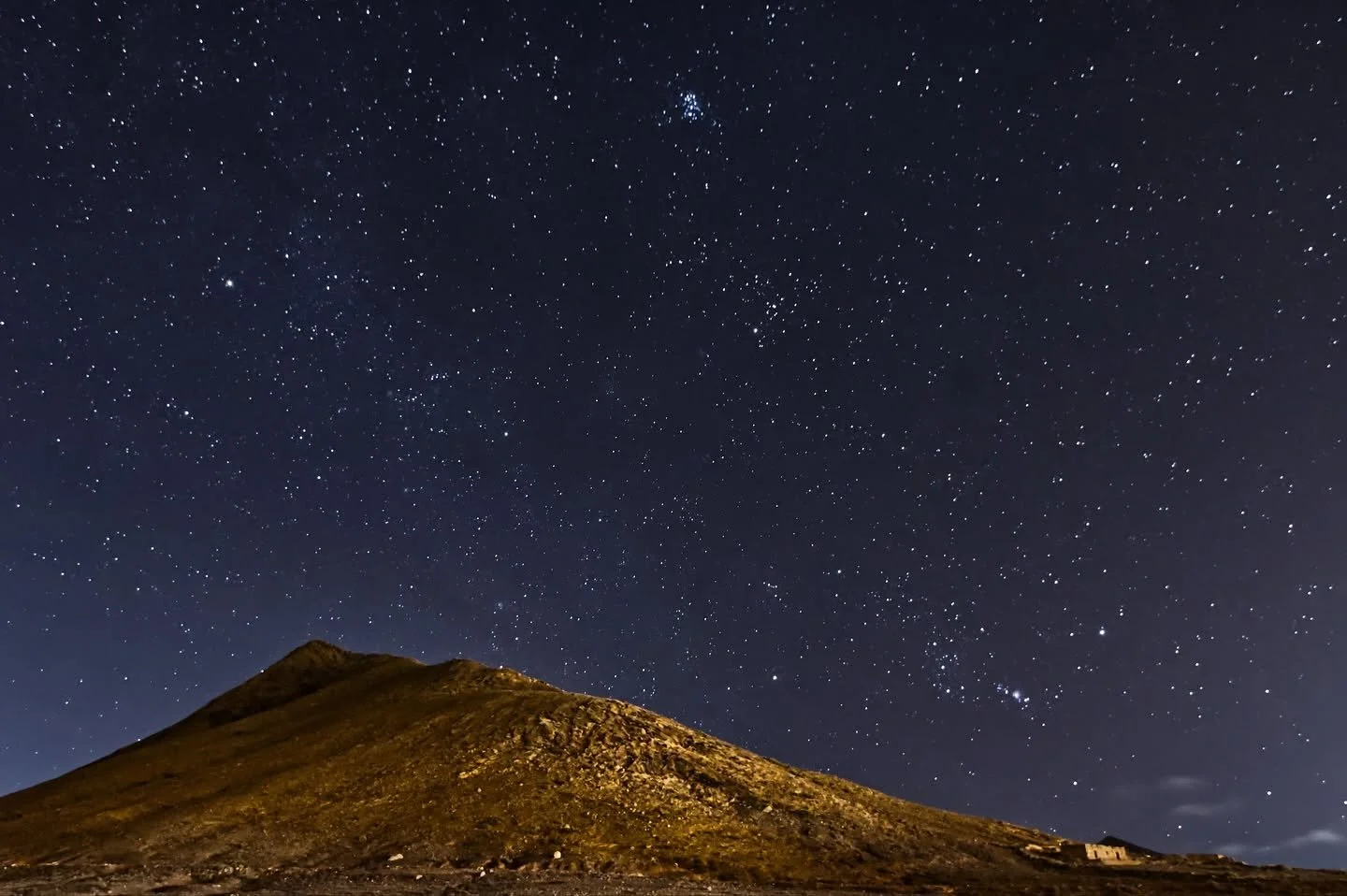
Image: TIndaya - Karen Moore.

….Ancient Agricultural Calendars: Reading the Sun .. Antiguos calendarios agrícolas: la lectura del Sol ….

….The Guanche Heritage: Long before modern astronomy, Fuerteventura's indigenous inhabitants (the Mahos or Majoreros) relied on solstices and equinoxes to guide their survival.

Equinox Markers: Natural rock formations and archaeological sites across the island, such as the sacred mountain of Tindaya, served as seasonal markers. Watching the sun rise due east on the equinox signalled the exact time to shift from summer grazing to preparing the land for winter sowing before the rare autumn rains arrived.

..

El legado guanche: Mucho antes de la astronomía moderna, los habitantes indígenas de Fuerteventura (los mahos o majoreros) se guiaban por los solsticios y equinoccios para asegurar su supervivencia.

Marcadores de equinoccio: Formaciones rocosas naturales y yacimientos arqueológicos repartidos por la isla —como la montaña sagrada de Tindaya— servían como marcadores estacionales. Observar la salida del sol exactamente por el este durante el equinoccio indicaba el momento preciso para pasar del pastoreo estival a la preparación de la tierra para la siembra de invierno, antes de la llegada de las escasas lluvias otoñales.

….

….Is the Milky Way Core Still Here?..¿Sigue ahí el núcleo de la Vía Láctea?….

….Yes, the core is still visible, but the clock is ticking! In September, the Galactic Center (the bright, detailed core around Sagittarius) tilts high into the southwestern sky as soon as astronomical twilight ends.The "Vertical" Core: September is prime time for photography and viewing because the Milky Way arch stands almost straight up from the horizon rather than laying flat across the sky. .. Sí, el núcleo sigue siendo visible, ¡pero el tiempo corre! En septiembre, el Centro Galáctico (el núcleo brillante y detallado en torno a Sagitario) se eleva en el cielo suroccidental justo al terminar el crepúsculo astronómico. El núcleo «vertical»: septiembre es la época ideal para la fotografía y la observación, ya que el arco de la Vía Láctea se alza casi en vertical desde el horizonte, en lugar de extenderse horizontalmente por el cielo. ….
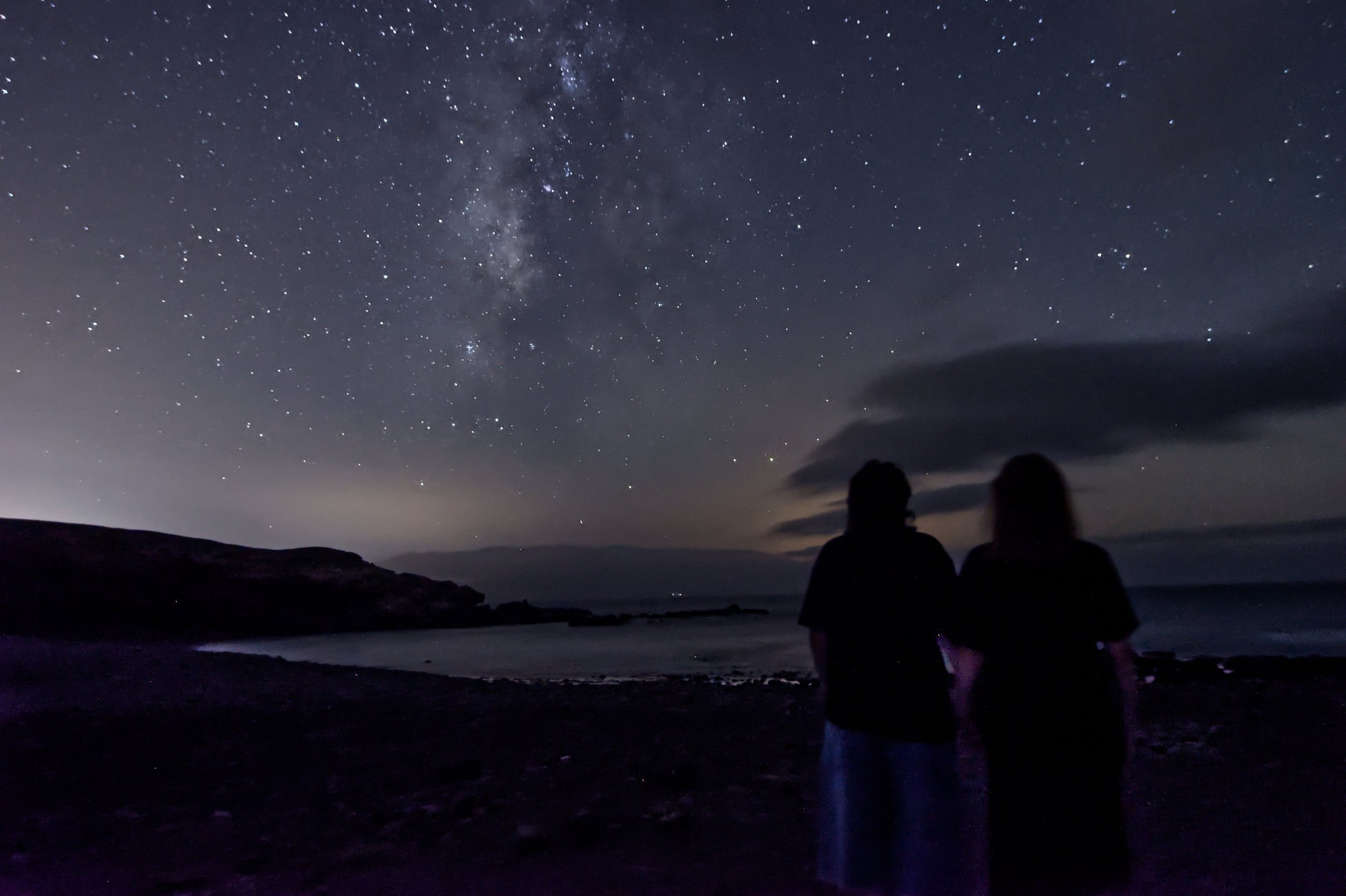
Image: Milky Way Playa de Ugan, Karen Moore

….The September Window: You don't have to wait until 2:00 AM like in early summer. The core is right there as soon as it gets fully dark. It sets much earlier, dropping below the Atlantic horizon around midnight or early morning. By late October and November, it disappears behind the sun entirely until late winter. .. La ventana de septiembre: no hace falta esperar hasta las 2:00 a. m., como ocurre a principios del verano. El núcleo es visible en cuanto oscurece por completo. Se oculta mucho antes, descendiendo por debajo del horizonte del Atlántico alrededor de la medianoche o en la madrugada. Hacia finales de octubre y en noviembre, desaparece totalmente tras el Sol hasta finales del invierno. ….

….What Else to See in the Night Sky Around the Equinox.. Qué más ver en el cielo nocturno durante el equinoccio ….

….Because Fuerteventura sits at 28°N latitude, you get an exceptional view of both northern stars and targets hanging lower over the southern sea horizon.

Saturn & Jupiter: Saturn is at its absolute brightest in September (at opposition), rising in the east at sunset and staying up all night. Jupiter follows close behind, rising in the late evening as a brilliant "star."

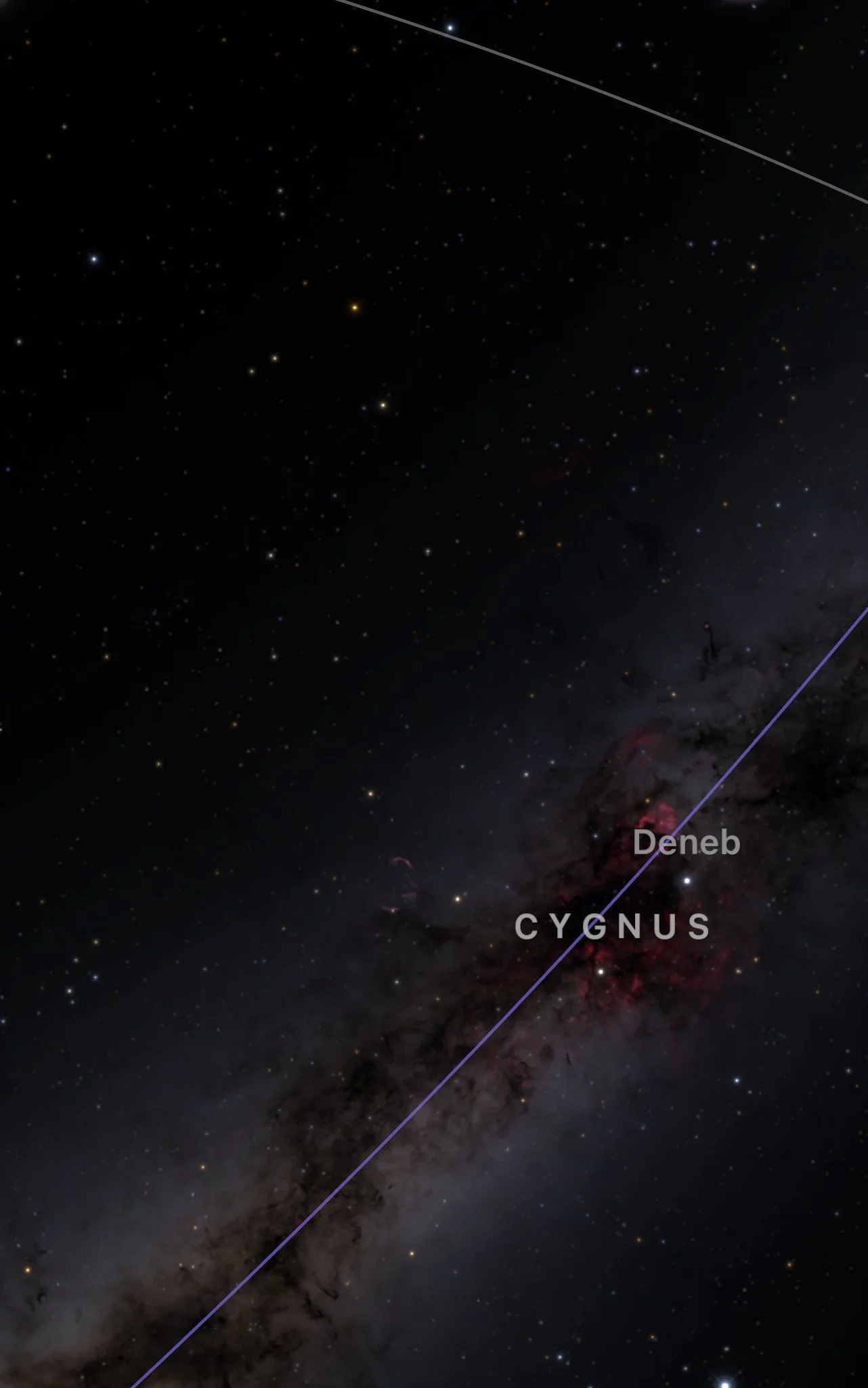
The Summer Triangle: Directly overhead, Vega, Deneb, and Altair dominate the zenith. Follow the trail of Deneb through Cygnus (the Swan) to trace the northern arm of the Milky Way stringing down to the horizon.

Andromeda Galaxy (M31): Rising higher in the northeast, Andromeda is the furthest object you can see with the naked eye (2.5 million light-years away). From dark island spots like Pozo Negro or Los Molinos, it appears as a distinct fuzzy oval.

The Zodiacal Light: A rare equinox treat for dark-sky reserves! In late September and early October, you can often see a faint pyramid of glowing light in the east just before dawn, caused by sunbeams reflecting off interplanetary dust along the ecliptic plane.

Autumn is transition time for observers in Fuerteventura. As dusk settles, the bright Galactic Core of the Milky Way stands dramatically upright in the southwestern sky. September offers the last comfortable evening window to view the dense core before it dips below the horizon for the winter.

Looking overhead, the Summer Triangle still reigns high, while Saturn shines brilliantly in the east all night long. As the island’s ancient agricultural cycle transitions from summer gathering to autumn planting, Fuerteventura’s low light pollution and long equinox nights make this one of the finest times of year to step outside and look up. ..

Al situarse a 28° de latitud norte, Fuerteventura ofrece una vista excepcional tanto de las estrellas del norte como de los objetos celestes que se encuentran más bajos, sobre el horizonte marino del sur.

Saturno y Júpiter: Saturno alcanza su máximo brillo en septiembre (durante la oposición); sale por el este al atardecer y permanece visible durante toda la noche. Júpiter le sigue de cerca, apareciendo a última hora de la tarde como una "estrella" resplandeciente.

El Triángulo de Verano: Justo encima de nuestras cabezas, Vega, Deneb y Altair dominan el cenit. Sigue el rastro de Deneb a través de la constelación de Cygnus (el Cisne) para trazar el brazo norte de la Vía Láctea, que se extiende hacia el horizonte.

Galaxia de Andrómeda (M31): Visible cada vez más alta en el noreste, Andrómeda es el objeto más lejano que se puede observar a simple vista (a 2,5 millones de años luz). Desde lugares con cielos oscuros en la isla, como Pozo Negro o Los Molinos, se percibe como un óvalo difuso y bien definido.

La luz zodiacal: ¡Un espectáculo poco común del equinoccio para las reservas de cielo oscuro! A finales de septiembre y principios de octubre, a menudo se puede ver una tenue pirámide de luz resplandeciente en el este justo antes del amanecer; este fenómeno se debe a la reflexión de los rayos solares en el polvo interplanetario a lo largo del plano de la eclíptica.

El otoño es una época de transición para los observadores en Fuerteventura. Al caer la tarde, el brillante núcleo galáctico de la Vía Láctea se alza imponente en el cielo suroeste. Septiembre ofrece la última oportunidad de la temporada para contemplar cómodamente este denso núcleo antes de que desaparezca bajo el horizonte durante el invierno.

Al mirar hacia arriba, el Triángulo de Verano sigue reinando en lo alto, mientras Saturno brilla intensamente en el este durante toda la noche. Mientras el antiguo ciclo agrícola de la isla pasa de la cosecha estival a la siembra otoñal, los bajos niveles de contaminación lumínica y las largas noches del equinoccio convierten a Fuerteventura en uno de los mejores lugares y momentos del año para salir al exterior y contemplar el firmamento. ….

....JULY 2018 NIGHT SKY..JULIO 2018 CIELO NOCTURNO....

Guided.05.06.2018.jpg

....This Summer season, which is just beginning, is revealed as the great epoch of the planets. Although Venus is setting down earlier and earlier after sunset towards the West, Jupiter, in the constellation of Libra, is very high in the sky when the night arrives. This is the best season to observe him through a telescope: he will reveal the clouds of his high atmosphere, with their darker bands and the Great Red Spot, as well as his 4 major satellites, eternally dancing around him.

From the East, in Sagittarius, a yellow dot indicates the presence of Saturn, who leaves everybody without words while admiring his rings, and it is not rare that some of his more than 60 satellites are visible too. And Mars is now approaching Saturn coming from the Eastern constellation of Capricorn, in his apparent retrograde movement. The rovers Opportunity and Curiosity, have been exploring his surface for many years, and are helping us to understand his mysteries, such as the presence of water below his surface or the presence of methane in his atmosphere.

The Moon will also accompany us in the second part of July. Her mountains, her seas and her craters shine closely through a telescope, fascinating everyone who would contemplate them.

Clear skies to everybody! ..

Este verano que está empezando se anuncia como la gran temporada de los planetas. Si ben Venus se pone cada vez más pronto en el Oeste poco después del ocaso, Júpiter, en la constelación de Libra, está muy alto en el cielo a la caída de la noche. Es la época mejor para observarlo con el telescopio: nos revelará las nubes de la alta atmósfera, con sus bandas oscuras y la Gran Mancha Roja, así como sus 4 satélites mayores, puntos brillantes que danzan eternamente a su alrededor.

Desde el Este, en Sagitario, brilla la luz amarillenta de Saturno, que deja a todo el mundo sin palabra al admirar sus anillos, y no es infrecuente que se vean también algunos de sus más de 60 satélites. Marte, en cambio, se va acercando a Saturno desde Capricornio, en su aparente movimiento retrógrado. Las sondas Opportunity y Curiosity, que están explorando su superficie desde varios años, nos están ayudando a desvelar poco a poco sus misterios, como la presencia de agua bajo la superficie o de metano en la atmósfera.

Y también la Luna nos acompaña en la segunda parte del mes. Sus montañas, sus mares y su cráteres brillan a través del telescopio, dejando fascinados a quienes los contemplen.

¡Cielos despejados para todos! ....


....APRIL 2018 NIGHT SKY.. ABRIL 2018 CIELO NOCTURNO....

Startrails (1).jpg

....In April, Spring is back in plentitude: the daylight saving is now in progress and the days are longer, as well as the sweeter temperatures that invite us to enjoy the night sky. The great constellations of the winter, such as Orion and Taurus, are still high in the night sky, but they set down earlier and earlier towards the West, leaving the protagonism in the South to the big ship Argo, which carried the hero Jason and his crew in the known Greek myth. This huge constellation of ancient origin, now divided into 4 parts, is marked by the brilliant star Canopus, the second brightest of the sky, not visible from continental Europe. 

In the zodiacal zone, together with Leo high in the East, the nice Virgo brings back the myths related to Spring and the goddess Ceres, ancient patron of agriculture. In the following constellation, Libra, we find the king of the planets, Jupiter, who is finally back and fascinates us with his satellites and dark bands that a good telescope is able to reveal.

And, of course, the Moon is faithfully shining in the first days of April in her full phase, which will repeat by the end of the month. But if you love her, we recommend to observe her around the First Quarter, at the beginning of the last week. 

Clear skies to everybody!  ..

En Abril ya estamos de lleno en la primavera: ya ha entrado el horario de verano y los días se alargan, al mismo tiempo que las temperaturas más suaves invitan a disfrutar del cielo nocturno. Las grandes constelaciones de la estación invernal, como Orión o Tauro, siguen altas en el cielo, pero se ponen cada día más pronto en el Oeste, dejando el protagonismo en el Sur al navío Argo, que transportó el héroe Jasón y a sus compañeros en el famoso mito griego. Esta gran constelación de orígenes muy antiguos, ahora dividida en 4 partes, alberga a la brillante estrella Canopo, la segunda más luminosa del cielo, no visible desde la Europa continental.

En la zona zodiacal, con el León ya alto en el Este, la hermosa Virgo nos trae de vuelta los mitos griegos relacionados con la primavera y la diosa Ceres, antigua patrona de la agricultura. 

En la constelación que la sigue, Libra, ya se asoma el rey de los planetas, Júpiter, que nos fascina con sus satélites y sus bandas, que un buen telescopio pone a nuestro alcance.

Y la Luna no falta a su cita mensual, empezando abril con la fase de plenitud, que vuelve también en la última semana. Pero para observarla con más detalles, es recomendable la fase creciente, que este mes corresponde a la última semana.

¡Cielos despejados para todos!....

....OCTOBER 2017 NIGHT SKY..OCTOBRE 2017 CIELO NOCTURNO....

two sides.jpg

....With the arrival of October, Autumn is already in progress, bringing longer nights and usually very low winds, all good news for the lover of the night sky. As happened most times this year, this month too starts with the Moon close to the full phase, a good moment to observe her surface with incredible detail  through a good telescope. At the same time, towards the south, a brilliant yellowish dot in the constellation of Ophiuchus reminds us that we are still in time to admire one of the highlights of our Solar System, the fabulous planet Saturn, whose rings are now in the best position in years.

Moreover, the Milky Way is still dominating the sky, in the nights without the Moon, more and more vertical in Sagittarius, revealing us some of her most hidden joys, as the Lagoon Nebula, a wonderful star nursery, whose light shines faint due to the enormous distance, or the brilliant Butterfly Cluster, much closer to our Blue Planet.

Clear skies to everybody!  ..

Con la llegada de octubre, el otoño ya ha empezado, trayendo noches más larga y a menudo sin viento, y estas son sin duda buenas noticias para los apasionados del cielo nocturno. Como de costumbre, el mes empieza con la Luna cerca de la fase de plenitud, un buen momento para observar los increíbles  detalles de su superficie con un buen telescopio. Mientras, hacia el sur, el brillante punto amarillento en la constelación del Serpentario nos recuerda que todavía estamos a tiempo de admirar una de las maravillas del Sistema Solar, el fabuloso planeta Saturno, cuyo anillos se encuentran en la mejor posición de observación de la década.

Por su parte, la Vía Láctea seguirá dominando el cielo en las noches sin Luna, cada vez más vertical en Sagitario, revelándonos a través del telescopio algunas de sus hoyas más escondidas, como la nebulosa Laguna, fantástico criadero de estrellas, cuya luz nos parece muy débil por la distancia, o bien el más brillante cúmulo de la Mariposa, más cercano a nuestro planeta azul..

¡Cielos despejados para todo! ....

....JUNE 2017 NIGHT SKY.. JUNIO 2017 CIELO NOCTURNO ....

.... With the solstice of June 21th, a new summer begins, a very promising epoch for the observation of the night sky. The firmament is dominated this year by the brilliant planet Jupiter, which through a telescope reveals the secrets of his atmosphere and the tireless dance of his satellites. The most typical constellations of this period, are the Lion and the Virgin, already very high when the night comes in, leaving the East for the beautiful view of Scorpio, so rich in astronomical treasures, or the mythical Hercules, with his fantastic cluster M13.

The Moon accompanies us in the first part of the month. A telescope can easily reveal her mountains and carters, her seas and highlands. Do not miss this incredible view which can fascinate everyone.

Clear skies to everybody!  .. Con el solsticio de junio, que este año cae el día 21, empieza el verano, época muy adecuada para la observación del cielo nocturno. El firmamento está dominado por el brillante planeta Júpiter, que al telescopio nos desvela los rasgos de su atmósfera y el baile incansable de sus satélites. Las constelaciones más típicas de este período, como el León o Virgo, ya están bien altas cuando aparece la noche, dejando el paso en el Este al maravilloso Escorpión, tan rico en tesoros astronómicos, o al mítico Hércules, con su fantástico cúmulo M13.

La Luna nos acompaña en la primera parte del mes. El telescopio nos desvela sus montañas y sus cráteres, sus mares y sus Tierras Altas. No se pierdan este espectáculo tan asombroso que no deja indiferente a nadie.

¡Cielos despejados para todo! ....

....MAY 2017 NIGHT SKY.. MAYO 2017 CIELO NOCTURNO ....

....With the arrival of May, we are in the heart of Spring, with kinder temperatures, that invite us to enjoy the beauty of the night sky. Many constellations, which accompanied us in the last half of the year, are now saying goodbye till the next Winter, while from the East the ones which mark the new season are appearing: the faint and weak crab Cancer, the powerful Lion and the terrible monster Hydra, witnesses of the challenges of the mythical hero Hercules, as well as the beautiful Virgin, related to the calendar of the agricultural activities.

In this area, a brilliant yellow object draws strongly our attention: it is the planet Jupiter, the mighty King of the Ecliptic, the giant of the Solar System, whose atmospheric bands, actual storms of incredible size, such as his 4 main satellites, can be admired through a small telescope.

As in the previous months, the Moon is the protagonist of the first part of the month. Nobody remains indifferent when looking at her mountains, craters, seas or highlands. It is difficult to believe we are able to distinguish so many details of her surface, in spite of the enormous distance which separates her from our Earth.

Clear skies to everybody!  ..

Con el mes de mayo, ya ha llegado el corazón de la primavera, trayéndonos  temperaturas más suaves que invitan a disfrutar del cielo nocturno. Mientras vamos despidiendo  las constelaciones que nos acompañaron en el invierno, desde el Este se levantan las que marcan la nueva estación: el pequeño y débil cangrejo Cáncer, el majestuoso León y el terrible monstruo Hydra, testigos de las empresas del mítico héroe Hércules, así como la bonita Virgo, protagonista del calendario de  las actividades agrícolas.

En esta zona, nos llama prepotentemente la atención un objeto amarillento muy brillante: es el planeta Júpiter, el majestuoso Rey de la Eclíptica, el gigante del Sistema Solar, cuyas bandas atmosféricas, autenticas tormentas de dimensiones descomunales, así como sus 4 satélites principales, pueden ser admirados por medio de un pequeño telescopio.

Como en los meses anteriores, la Luna es la protagonista de la primera parte del mes. Nadie permanece indiferente a la visión de sus montañas y sus cráteres, sus mares y sus Tierras Altas. Resulta difícil de creer como lleguemos a ver tantos detalles de su superficie, a pesar de la enorme distancia que nos separa.

¡Cielos despejados para todo!

....


....MARCH 2017 NIGHT SKY.. MARZO 2017 CIELO NOCTURNO ....

....As occurs every year, March is taking us into Spring. The nights are getting shorter day by day, until on the 20th, the date of the Equinox in 2017, the duration of the day is the same as the night, becoming longer in the following 6 months.

In the beginning of March the typical constellations of winter, such as Orion, the Great Dog and Gemini, are still very high in the night sky, allowing us to admire their precious treasures, like the fascinating Orion Nebula, the closest nursery of stars, the multiple system of Sigma, in the same area, or the glorious cluster M35, in the Twins. But from the East new and interesting objects are now appearing, such as the Lion and the Big Dipper -which in the last months had disappeared from our skies- messengers of the great galaxies’ season of the next months.

The planet Jupiter is finally back, appearing earlier every day towards the East horizon, balancing the protagonism of Venus, setting down early in the West. His satellites, dark bands and clear zones offer us, through a telescope a beautiful view we should not miss the opportunity to admire.

As we are already accustomed to this year, the Moon is the protagonist of the first part of the month. Nobody remains indifferent when looking at her mountains, craters, seas or highlands: in spite of the enormous distance, these details are clearly visible and really impressive.

Clear skies to everybody!

..Como todos los años, el mes de marzo nos trae la primavera: las noches se van haciendo cada día más cortas, hasta que el día 20, fecha del equinoccio de primavera en este 2017, la duración del día iguala a la de la noche, para después superarla en los 6 meses siguientes.

A principios de marzo, las constelaciones más populares del invierno, como Orión, el Can Mayor y Gémini, siguen bien altas en el cielo vespertino, permitiéndonos seguir contemplando sus más preciados tesoros, como la fascinante Nebulosa de Orión, el más próximo criadero de estrellas, el sistema múltiple de Sigma, en la misma área, o el glorioso cúmulo M35, en los Gemelos.

Pero en el Este ya van apareciendo nuevos e interesantes asterismos, tal como el León y la Osa Mayor -que durante unos meses había desaparecido de nuestro cielo- mensajeros de la gran temporada de galaxias que nos espera a partir de un mes.

También el planeta Júpiter vuelve a  aparecer en el horizonte Este, quitando el protagonismo a Venus, que se pone temprano en el Oeste. Sus satélites, sus bandas y sus zonas claras nos ofrecen a través del telescopio un espectáculo maravilloso, que no debemos perder la ocasión de admirar.

Como va siendo costumbre en este año, la Luna es la protagonista de la primera parte del mes. Nadie permanece indiferente a la visión de sus montañas y sus cráteres, sus mares y sus Tierras Altas: sus impresionantes detalles nos dejan asombrados, a pesar de la enorme distancia que nos separa.

¡Cielos despejados para todo!

....

....FEBRAURY 2017 NIGHT SKY..FEBRERO 2017 CIELO NOCTURNO....

....The long February nights offer us the opportunity to admire the winter sky in its best moment. The most typical constellations of this epoch of the year, Orion and Gemini, are already high in the sky in the first hours of the night, showing us their precious treasures. A good telescope allows us to go deeper into their secrets, such as the Orion Nebula (M42), a wonderful star nursery located at about 1500 light-years from us, or the rich Gemini cluster, not far from the bright multiple-star system of Castor. On the other side of the sky, it is still possible to admire the Andromeda galaxy, a very big but blurry object due to the incredible distance of more than 2 million light-years from our Earth.

After sunset, the planets Mars and Venus shine bright to the West in the early hours, while Jupiter starts crossing the sky from the East after midnight.

The Moon is the big protagonist of the sky in the first part of February. We should not miss the opportunity to admire her with a number of magnifications: she will reveal her big seas with their islands, her long chains of mountains and her enormous and deep craters. In spite of the distance of some 250.000 miles, the Moon shows us incredible details of her surface through our telescopes.

Clear skies to everybody!   
..

Las largas noches de febrero nos ofrecen la ocasión de admirar el cielo del invierno en todo su esplendor. Las constelaciones más características de esta época, como Orión y Gémini, ya se encuentran muy altas en las primeras horas de la noche, enseñándonos sus preciados tesoros. Un buen telescopio nos permite escudriñar sus secretos, como la Nebulosa de Orión (M42), fantástico criadero de estrellas a unos 1500 años luz de nosotros, o el riquísimo cúmulo de Gémini(M35), no lejos de la brillante estrella múltiple Cástor. También al otro lado del cielo es posible admirar a la galaxia de Andrómeda (M31), que se nos presenta como un objeto magnífico pero débil y borroso, debido a la increíble distancia de más de 2 millones de años luz desde la Tierra.

Después del ocaso, los planetas Marte y Venus siguen resistiéndose a ponerse en el Oeste, mientras que en la parte opuesta del cielo Júpiter se levanta pasada la medianoche.

La Luna es la gran protagonista de la primera parte del cielo de febrero. No debemos perdernos la oportunidad de observarla con unos cuantos aumentos: nos desvelará los  misterios de sus mares y sus islas, sus cordilleras de montañas y sus enormes y profundos cráteres. A pesar de los 400.000 Km que nos separan, la Luna nunca deja de sorprendernos por la cantidad de detalles que podemos apreciar con nuestros telescopios.

¡Cielos despejados para todos!  

....

.... JANUARY 2017 NIGHT SKY.. El año 2017 DE ENERO DE CIELO NOCTURNO....

IMG_9119 crop.jpg

....Winter is the season when our Earth passes at the closest distance from the Sun, but curiously enough the temperatures are the lowest in the year. This is due to the inclination of the axis of our planet, that in the northern hemisphere makes our star appear to be lower on the horizon and the days are shorter. On the other hand, as the nights are longer and the ecliptic is higher, reaching quite the zenith in our latitudes, this is the best season for the observation of the night sky.

Also its precious constellations, as Gemini, Taurus and Auriga, together with the ones which remind us of the myth of the giant hunter – Orion, his dogs and animals - show us their fantastic treasures.

Winter is the epoch of the great star clusters, such as the Pleiades and the Hyades, visible with naked eyes, or the far open clusters hidden in Auriga, Gemini or the Big Dog, as M35, M36 and M41, beautiful targets for our telescopes.

In the first part of January we can enjoy the Moon, which can show us, with different magnifications her impressive craters, her abrupt mountains, her broad seas scattered by isolated peaks, such as Montes Tenerife, a tribute to the first observatory located on a high mountain on the island nearby us.

¡Clear skies to everybody!   ..


El invierno es la estación en la que la Tierra se encuentra más cerca del Sol, pero curiosamente las temperaturas son las más bajas del año. Esto se debe a la inclinación el eje terrestre, que hace que en el hemisferio norte nuestra estrella se levante menos sobre el horizonte y los días sean más cortos. En cambio, las noches más largas y la posición más elevada de la eclíptica, que en nuestras latitudes alcanza casi el cenit, hacen del invierno la estación más propicia para la observación del cielo nocturno.

También sus preciosas constelaciones, como Gémini, Tauro y Auriga, así como aquellas que están relacionadas con el mito del gigante cazador, es decir Orión, sus perros y sus animales, nos enseñan sus brillantes tesoros.

El invierno es la época de los grandes racimos estelares, como las Pléyades y las Híades, visibles a simple vista, así como los lejanos cúmulos abiertos escondidos en Auriga, Gémini o el Can Mayor, tales como M35, M36 o M41, fantásticos objetos al alcance de nuestros telescopios.

En la primera mitad del enero podremos admirar también a la Luna, que con unos cuantos aumentos nos desvela sus impresionantes cráteres, sus agudas montañas, sus amplios mares salpicados por islas remotas, como los Montes Tenerife, así bautizados en homenaje al primer observatorio de alta montaña de la historia, el que alberga nuestra vecina occidental.

¡Cielos despejados para todos!  

....

.... NOVEMBER 2016 NIGHT SKY.. El año 2016 DE NOVIEMBRE DE CIELO NOCTURNO....

.... At the beginning of November, the Milky Way is not as bright, but is still offering us a beautiful picture in the first hours of the night, towards the South-East. Planet Mars is easy to recognize after sunset due to its reddish colour, crossing the Zodiac between Sagittarius and Capricorn in the South.

On the other side of the Milky Way, Perseus, Cassiopeia and Andromeda appear higher and higher every night from the North-Eastern horizon, telling us their troubled but happy-ended history. A telescope discovers in this area beautiful and fascinating objects, such as the Andromeda galaxy, the Double Cluster of Perseus, ET the extraterrestrial or the binary star Almach.

The Moon will not miss her date with her admirers, being the best days to watch her from the 5th to the 12th, just before its Full phase of the 14th. Don't miss the opportunity to observe her craters and mountains with a good telescope and under the guide of an expert: nobody will remain indifferent when looking at this incredible view.

Clear skies to everybody! 

..

En el mes de noviembre, la Vía Láctea pierde protagonismo, aunque nos ofrece todavía un interesante espectáculo a primeras horas de la noche hacia el suroeste. El planeta Marte sigue siendo fácil de reconocer después del ocaso debido a su color rojizo, mientras va cruzando la zona zodiacal entre Sagitario y Capricornio cerca del horizonte Sur. Al lado opuesto de la Vía Láctea, Perseo, Cassiopea y Andrómeda se levantan cada vez más desde el Noreste, contándonos su atormentada historia con final feliz. El telescopio nos descubre en esta zona objetos tan bonitos y fascinantes como la galaxia de Andrómeda, el Cúmulo Doble de Perseo, ET el extraterrestre o la estrella binaria Almach.

Y la Luna tampoco faltará a la cita este mes, siendo los días mejores para admirarlas entre el 5 y el 12, antes del plenilunio del 14. No se pierdan la oportunidad de observarla y descubrir sus cráteres y sus montañas con la ayuda de un experto y de un buen telescopio: nadie se quedará indiferente antes este espectáculo.

¡Cielos despejados para todos!  

  ....

....STAR STRUCK CHATTING WITH OUR STAR GUIDE. 5 minute interview with Iñaki .. STAR STRUCK! CHARLA CON EL GUÍA STAR. Entrevista de 5 minutos con Iñaki....

.... Iñaki is the latest member of the team at StarsbyNight. Inaki's storytelling, knowledge and charisma capture the  audience as he enlightens the night with his  light shows and unusual locations to tell us all about the night sky. Come and join him in Spanish on Sunday nights, or in English on Tueday nights.

Tell me, what is the difference between an Astronomer and a Star Guide?

An astronomer is a person who is dedicated to the science and physics of his profession. Imagine! This is not me! I have a basic knowledge of Astronomy and recognise the different places in the night sky. Simply, I enjoy sharing my knowledge with people, in a friendly and fun way. My passion is my job and I love it! 

What started your interest in the night sky?

From a young age I liked to stop and observe the stars, but the first time I began to understand the constellations and how to orientate myself by the stars was whilst I was on a survival course in the wild.

Where are you from?

I was born in Benicasim, a small village on the east coast of Spain, just above Valencia.

What attracted you to Fuerteventura?

I was in Nicaragua, when a friend told me that Fuerteventura had good waves for surf and good wind for kiting. I checked online and discovered that the island is also a Starlight Reserve!! In a few days I had bought my plane ticket and I am here!

What can you see in Fuerteventura in the sky?

The great thing about Fuerteventura is the clear skies and if you move away from the urbans centres where there is little light pollution than you can enjoy the starry skies that are not easy to find anymore! 

Where else/other countries have you been teaching people about the night?

I created my own way of communicating to the people about the stars above in Andalusia, Dominican Republic, Nicaragua and Honduras.

Have you gone anywhere unusual?

I have visited some 30 countries till now; Asia, Africa, Europe and the Caribbean, different islands in the Indian Ocean and Central and North America….many beautiful places, always travelling with my rucksac, but unusual? My travels are quite normal for a person who is accustomed to travel, we are all on planet Earth. I would like one day to see planet Earth from Space. hahaha. 

What are constellations?

The sky is divided into 88 parts and each of these parts forms a group of stars that we call constellations. The oldest civilsations named these constealltions after an animal or person (some need more imagination than others), to make it easier for the people to remember them. They are also a great point of reference for astrnomers of all epcos, even today.  

Imagine that I ask you where is Madrid. Well, the answer will be in Europe, and in Spain more specifically.

Now, if the question is where is the Galaxy M31, also known as Andromeda. Well you must look to the part of the sky where you will find the Adromeda constealtion and M31 is specifically situated close to the star Andromeda. Like this all astrnomers know the place in the sky that they are looking for.

How many constellations are there?

There are 88 different constellations between the northern and southern hemisphere.  In the northern hemisphere, the most common visible are the Ursa Major and Ursa Minor. These constealtions are visible throughout the whole year. The Ursa Major is very easy to recognize as it’s stars are very bright, compared to Ursa Minor that has less bright stars, however, it does have our main star, Polaris, the polar star that always shows the north. 

Do you need a telescope to see the night sky?

No, the only thing necessary is that we learn and enjoy the night sky with our eyes. Other tools, like telescopes and binoculars help us to observe deeper space objects that we find further away or less bright. But to start with this view is more than sufficient.

Any funny stories that you can tell us?

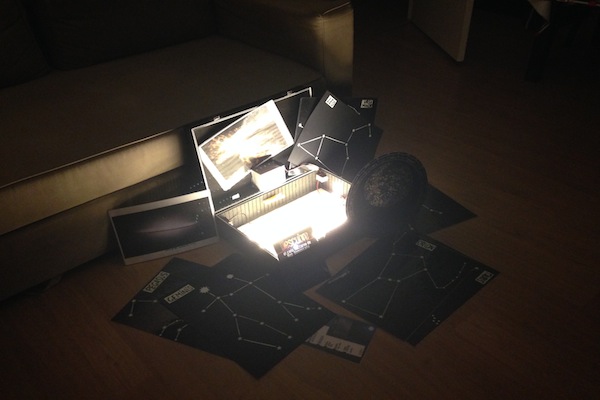
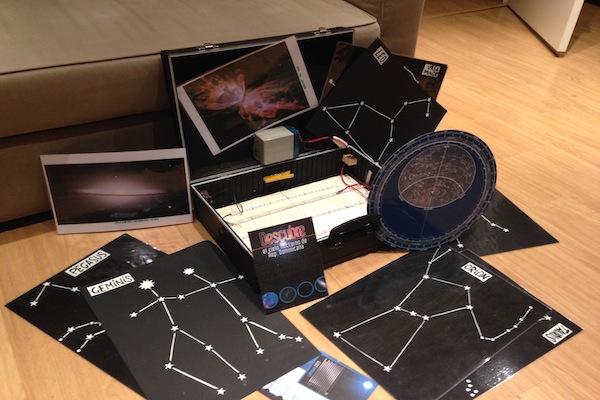
I remember when travelling with my equipment that I have created to share astronomical information, a briefcase with strange lights. I would always cause a stir at the airports, with security thinking I had some kind of bomb. It always ended well with a little display of how my materials work capturing the interest of everyone around.  In the Dominican Republic I even bumped in to one such “observer”.  It was my briefcase that he remembered! We  become good friends. 

Thanks Iñaki

.. 

Iñaki es el último miembro del equipo de StarsbyNight. Iñaki de la narración, el conocimiento y carisma capturar a la audiencia mientras se ilumina la noche con sus espectáculos de luz y lugares inusuales para contarnos todo sobre el cielo nocturno.  Venir y unirse a él en español domingos por la noche o en Inglés martes por la noche.  

¿Dime cuál es la diferencia entre una guía de astronomía estrella?

Un astrónomo es una persona que se dedica a la ciencia o física de forma profesional…imagino! Yo no soy nada de eso,tengo conocimientos básicos sobre astronomía y reconozco los diferentes lugares en el cielo nocturno. Simplemente disfruto compartiendo mis conocimientos con la gente común de una forma agradable y divertida así que mi pasión se ha convertido en mi trabajo, y me encanta!

¿Lo que comenzó su interés en el cielo nocturno?

Desde pequeño me ha gustado pararme a observar las estrellas pero la primera vez que comencé a entender sobre las constelaciones fue durante un curso de supervivencia en la naturaleza, ahí nos enseñaron a orientarnos por las estrellas. 

¿De donde eres?

He nacido en Benicasim, un pequeño pueblo en la costa este de España, justo por encima de Valencia.

¿Lo que atrajo a Fuertenventura?

Estaba en Nicaragua y un chico al que conocí me dijo que en Fuerteventura había buenas olas para surfear y buen viento para hacer kite, luego miré en internet y vi que era una reserva Starlight. En pocos días compré el billete de avión y aquí estoy. 

Qué se puede ver en Fuerteventura en el cielo?

Lo bueno que tiene Fuerteventura son sus cielos despejados y si te alejas un poco de los centros urbanos la poca contaminación lumínica te deja disfrutas de unos cielos estrellados que no es fácil de encontrarlos.

¿En qué otro / otros países lleva enseñando a la gente acerca de la noche?

He realizado actividades de observación de estrellas en Andalucía, República Dominicana, Nicaragua y Honduras. 

¿Ha ido a cualquier lugar inusual?

He visitado unos 30 países hasta ahora. He visitado Asia, Africa, Europa, el Caribe, diferentes islas en el océano Índico, Centro américa y norte america…muchos lugares bonitos, siempre viajando con mi mochila pero…inusual? Bastante usuales para una persona que está acostumbrada a viajar, eso sí, todos ellos dentro del planeta tierra, me encantaría un día poder ver la tierra desde el espacio, jajaja. 

 ¿Cuáles son las constelaciones?

El cielo está dividido en 88 partes y cada una de esas partes la forma una agrupación de estrellas a la que llamamos constelación. Las antiguas civilizaciones les han dado la forma de algún objeto o persona, (eso sí, con mucha imaginación) característica así es más fácil para la gente de recordarla. Y sirve a los astrónomos para saber dónde mirar en el cielo. 

Imaginen que os pregunto donde está Madrid. Pues la respuesta sería en el continente Europeo y en España más concretamente. 

Ahora si os pregunto dónde está la galaxia M 31 (también conocida como galaxia de Andrómeda). Pues debéis mirar al lado del cielo donde se encuentra la constelación de Andrómeda y más concretamente cerca de la estrella μ Andromedae. Así los astrónomos saben a que lugar del cielo deben observar para encontrar el objeto en concreto.

¿Cuántas constelaciones?

En el cielo existen 88 constelaciones diferentes entre el hemisferio norte y el hemisferio sur.  En el hemisferio norte es posible que la más común sea la de la Osa Mayor y la Osa Menor. Son constelaciones que podemos ver a lo largo de todo el año. La Osa Mayor es muy fácil de reconocer ya que todas sus estrellas son muy brillantes y las estrellas de la Osa Menor son menos brillantes pero su estrella principal es Polaris, la estrella polar, que siempre nos señalará el norte. 

¿Necesita un telescopio para ver el cielo nocturno?

Nada de eso, lo único que necesitamos para aprender y disfrutar el cielo nocturno son nuestros ojos. Otras herramientas como telescopios o prismáticos nos ayudarán a ver objetos que se encuentran más lejos o son menos brillantes. Pero para comenzar con nuestra vista es más que suficiente.

¿Alguna historia divertida que nos pueden decir?

Pues recuerdo que cuando viajaba con mi material para divulgar información sobre astronomía tenía un maletín con unas luces un poco peculiar. Y en los aeropuertos siempre me paraban pensando que era una bomba o algo raro, siempre tenía que hacerles una pequeña exposición sobre la actividad y la gente de aduana terminaban muy interesados. Incluso una vez, en República Dominicana, coincidí en un restaurante dos meses después de pasar por el aeropuerto con un hombre que me reconoció tras verme en el aeropuerto haciendo la exposición en la aduana. El hombre me dijo, ¿tu viajas con un maletín muy raro verdad? Nos hicimos buenos amigos. 

Gracias Iñaki.

....

ENG
ESP